
Buying guide
Best Garden Hoses for Hot Climates: 7 Picks for Sun and Heat
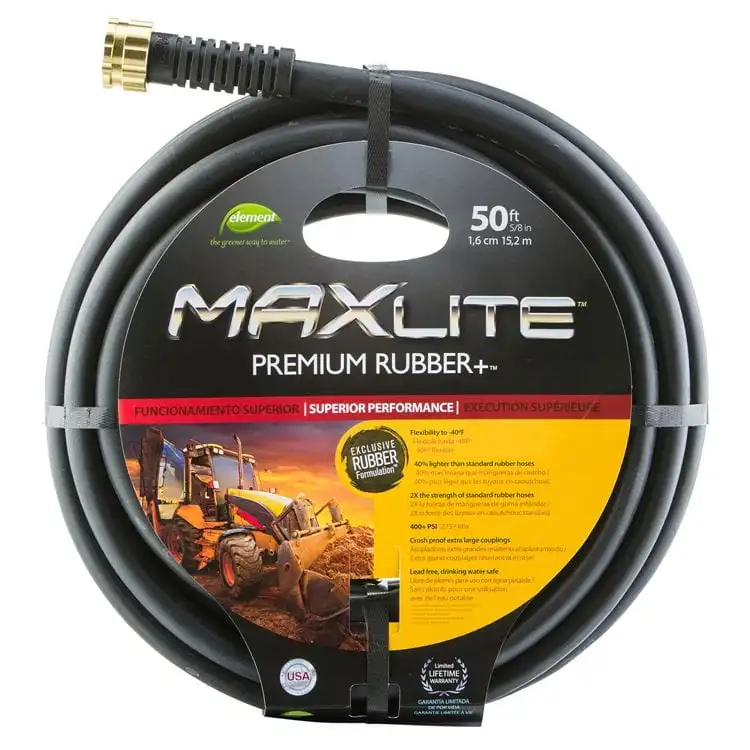
Swan Element MAXLite is the strongest choice for regular sun exposure. ELEY is a better fit if you want polyurethane with a higher documented heat limit.
Hot-climate hose comparison
Hot weather changes the hose decision. A hose that works well in mild weather may be a poor fit on a bright patio, over hot paving, or outside for much of the season. The ranking uses documented heat and weather claims, sun-related material claims, fitting design, and handling. A hot-water limit and a UV claim describe different conditions, so the guide keeps them separate.
| Product | Best use | Heat or weather evidence | Main drawback |
|---|---|---|---|
| Swan Element MAXLite Premium Rubber+ Hose 5/8-inch x 50-foot (CELSGC58050) | Best overall for sun | UV-resistant jacket; flexible to -40°F | Heavier than polyurethane |
| ELEY 5/8-inch Polyurethane Garden Hose, 50-foot | Heat-rated polyurethane | Heat and UV resistant; -40°F to 165°F | Higher cost and bulk |
| Dramm ColorStorm Professional Rubber Hose 5/8-inch x 50-foot (17003) | Rubber alternative | Hot-water rated to 160°F; weather-resistant cover | Heavy; 130 psi working pressure |
| Continental Premium Red Hot Water Hose 5/8-inch x 50-foot (20582672) | Highest heat range | -40°F to 190°F; weather-resistant | Commercial-style and 130 psi rated |
| Gorilla EXTREMELITE 5/8-inch x 50-foot Garden Hose (GRP55850) | Light heavy-duty option | All-weather flexibility; -4°F to 160°F | Separate UV rating is not stated |
| Flexzilla Garden Hose, 5/8-inch x 50-foot (HFZG550YW) | Flexible all-weather option | -40°F to 140°F; abrasion-resistant cover | Separate UV rating is not stated |
| Water Right All-Purpose Garden Hose 1/2-inch (500 Series), 50-foot | Smaller, drinking-water-safe format | Flexible in all climates; usable to 150°F at 50 psi | Less flow than 5/8-inch hoses |
The first four have the clearest heat-related case. The last three make more sense when weight, flexibility, or a narrower format matters more than a numeric UV claim. She Gardens checked manufacturer documentation and independent tests for this guide. She Gardens did not test these hoses. Treat the temperature figures as product claims and compare them with how you will store and use the hose.
Best overall for hot climates: Swan Element MAXLite
The Swan Element MAXLite Premium Rubber+ Hose comes first because its manufacturer makes the clearest sun-related claim in this group. The jacket is described as UV resistant and intended to support 30% longer life in the sun. It also remains flexible to -40°F, so a summer hose does not have to become a cold-weather problem. The separate heat limit is not stated, so this recommendation rests on sun exposure rather than hot water.
Pros: UV-resistant jacket; -40°F flexibility; 400+ psi burst strength; strong coupling claims.
Cons: Heavier than polyurethane and fabric-jacketed hoses; separate heat limit is not stated.
Check the Swan Element MAXLite on Amazon
Best heat-rated polyurethane: ELEY 5/8-inch
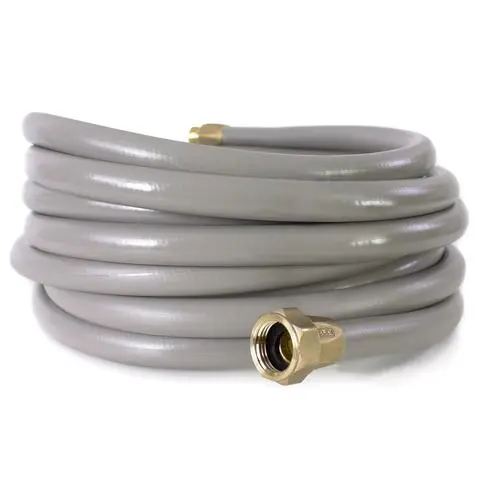
The ELEY 5/8-inch Polyurethane Garden Hose fits buyers who want an alternative to rubber with documented heat and UV resistance. ELEY lists a working range of -40°F to 165°F and says the outer layer includes a UV stabilizer. That combination suits a hose stored in a sunny garden. It does not mean you should leave any hose pressurized indefinitely. The seven-pound weight for 50 feet also matters on a long run.
Pros: -40°F to 165°F range; UV stabilizer; full-flow brass fittings; 10-year no-leak, no-fail warranty.
Cons: Less compact than fabric hoses; premium positioning; 50-foot weight is still 7 pounds.
Check the ELEY polyurethane hose on Amazon
Best traditional rubber alternative: Dramm ColorStorm
The Dramm ColorStorm Professional Rubber Hose fits a buyer who wants conventional rubber and expects hot water to be part of the job. Dramm lists a hot-water rating to 160°F, flexibility to -25°F, and an abrasion- and weather-resistant cover. Those details support its case for sun and heat, although the product page gives no separate UV percentage or service-life claim. Its 130 psi working pressure and heavier rubber construction make it a deliberate choice for a sunny patio, not the lightest one.
Pros: 160°F hot-water rating; flexible to -25°F; weather-resistant cover; 500 psi burst pressure.
Cons: Heavy rubber construction; lower working pressure than some hybrid hoses; no stated warranty on the current page.
Check the Dramm ColorStorm hose on Amazon
Highest documented heat limit: Continental Premium Red Hot Water Hose
The Continental Premium Red Hot Water Hose has the highest numeric heat limit here. Continental documents -40°F to 190°F, along with abrasion, crush, and weather resistance. Its EPDM tube and cover use spiral synthetic reinforcement. The result is a commercial-style hose rather than a soft patio hose. Pick it when the heat range matters more than easy carrying.
Pros: -40°F to 190°F range; weather-resistant cover; abrasion and crush resistance; strong commercial construction.
Cons: Heavy style; 130 psi rating; coupling metal and warranty are not stated.
Check the Continental Red Hot Water Hose on Amazon
Lightest heavy-duty option: Gorilla EXTREMELITE
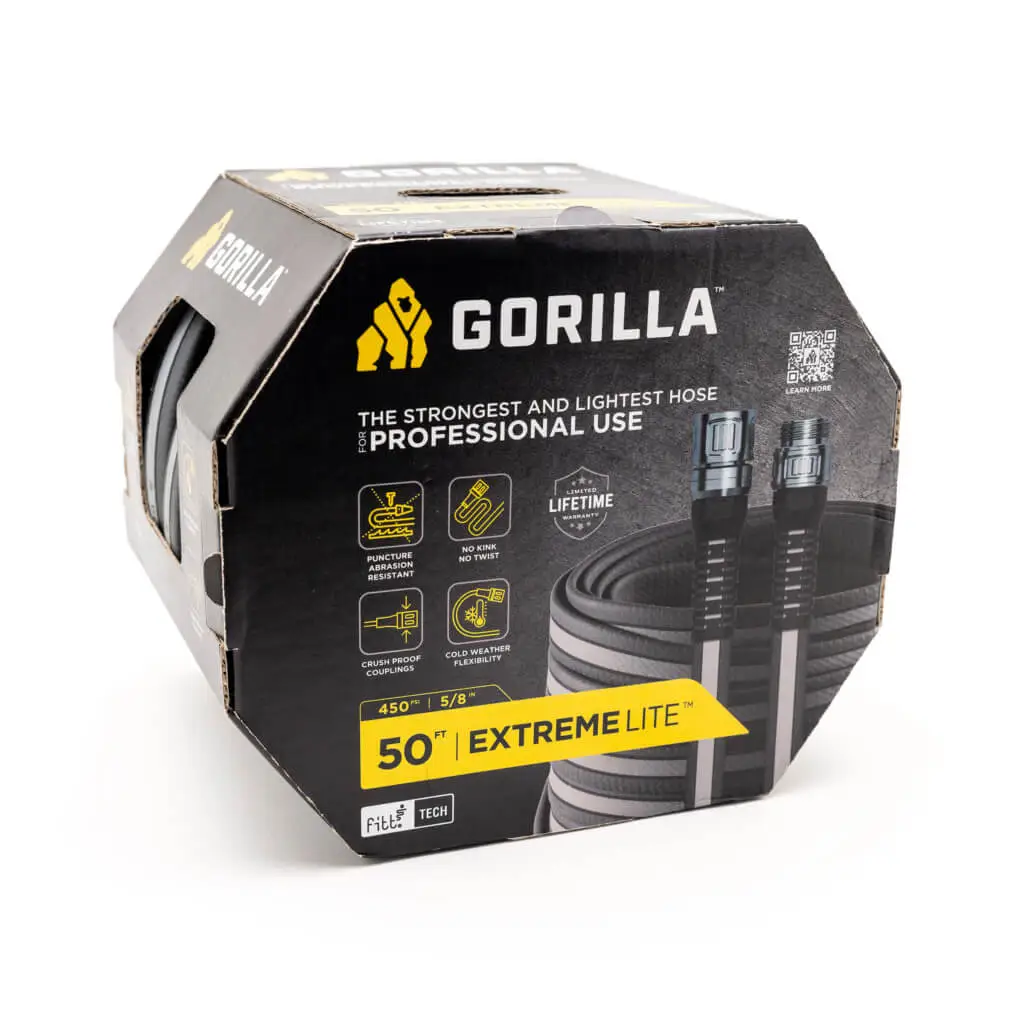
The Gorilla EXTREMELITE fits a hot climate where you still move the hose often. The manufacturer lists Sanoprene thermoplastic elastomer construction, all-weather flexibility from -4°F to 160°F, and a 450 psi burst pressure. At 3.4 pounds for 50 feet, it is far lighter than the rubber picks above. The missing separate UV rating keeps it behind Swan and ELEY for full-sun storage.
Pros: 3.4-pound 50-foot weight; -4°F to 160°F flexibility; 450 psi burst pressure; repairable couplings.
Cons: No separate UV rating; fewer length choices in the 50-foot version.
Check the Gorilla EXTREMELITE hose on Amazon
Flexible all-weather pick: Flexzilla
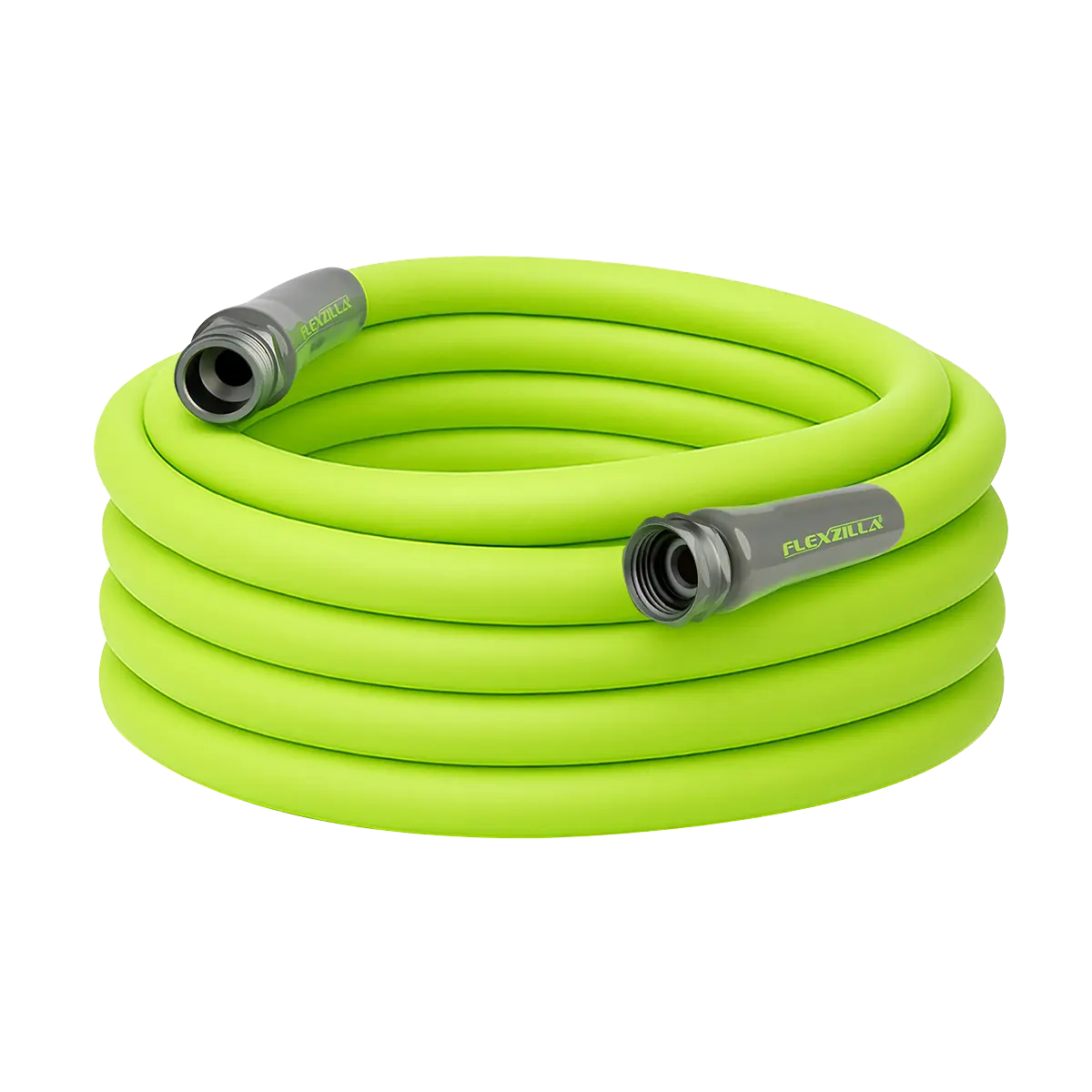
The Flexzilla Garden Hose suits buyers who care more about flexible handling than a dedicated UV statement. Flexzilla says its hybrid polymer stays flexible from -40°F to 140°F and has an abrasion-resistant outer cover. It also lists crush-resistant anodized aircraft-aluminum SwivelGrip fittings with standard 3/4-inch GHT connections. The temperature range helps with outdoor use, but the product page does not give the separate UV claim needed to make it a clear sun-exposure winner.
Pros: -40°F to 140°F flexibility; abrasion-resistant cover; many length choices; swivel-grip fittings.
Cons: No separate UV rating; no current manufacturer burst rating; independent tests found more twisting than the best kink-resistant hoses.
Check the Flexzilla hose on Amazon
Best smaller format: Water Right 500 Series
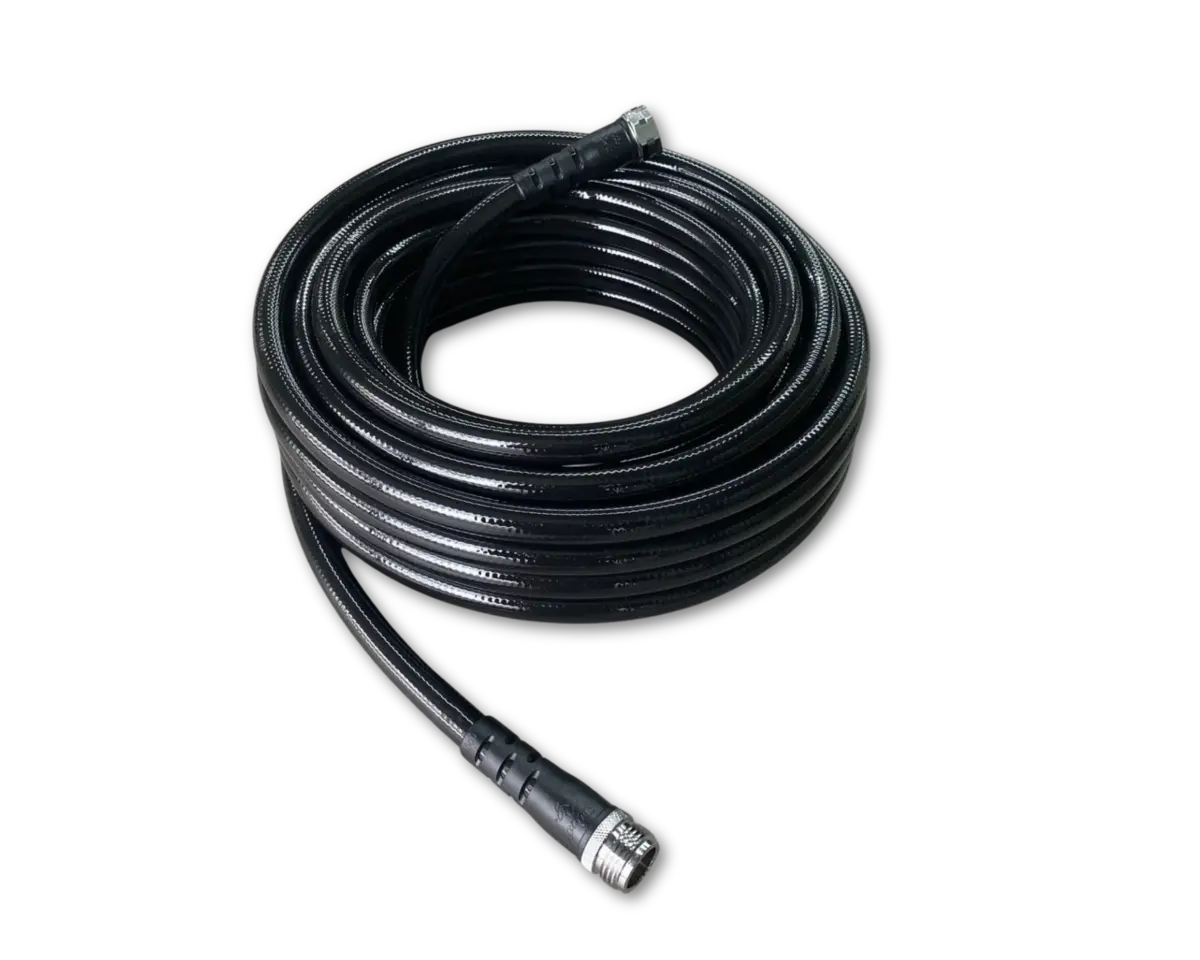
The Water Right 500 Series is a narrower option for a patio, side yard, or buyer who wants drinking-water-safe materials with a hot-weather claim. Water Right says the polyurethane is flexible in all climates and usable with water up to 150°F at 50 psi. It also lists lead-free, phthalate-free, and BPA-free materials, with formulations meeting FDA and NSF standards for drinking-water-safe applications. The 1/2-inch bore limits flow compared with the 5/8-inch hoses, but that can be a fair trade for a shorter, lighter route.
Pros: Flexible in all climates; usable to 150°F at 50 psi; drinking-water-safe material claims; 5-year warranty.
Cons: 1/2-inch bore limits flow compared with 5/8-inch hoses; no separate UV rating; no independent source in the research record.
Check the Water Right 500 Series on Amazon
How to choose for a hot climate
Separate UV claims from weather claims
“Outdoor use” is not the same as a UV rating. Swan lists a UV-resistant jacket, while ELEY lists a UV stabilizer in its outer layer. Continental, Dramm, Flexzilla, and the other choices use weather or abrasion language instead. If the hose will live in full sun, give the documented UV claim more weight than a general durability promise. Two hoses can look similar on paper and still make different claims about sunlight.
Check the temperature limit and water use
Continental’s 190°F limit is the highest in this group, followed by ELEY at 165°F, Dramm and Gorilla at 160°F, and Water Right 500 at 150°F under its stated 50 psi condition. These are product claims about temperature use. They do not mean a hose is safe to leave pressurized in the sun, and they do not turn a garden hose into a pressure-washer outlet line. Read the condition attached to each figure, especially Water Right’s 150°F use at 50 psi.
Remember the fittings
Sun reaches the whole assembly, not only the tube. Aluminum, brass, and crush-resistant fittings can improve connection durability, but a fitting claim does not cover every failure. Use standard 3/4-inch GHT connections where stated, keep the hose away from sharp edges, and drain it before long storage. A protected jacket is not a reason to leave the line pressurized when it is not in use.
Buy the length you need
Extra hose adds weight, drag, and more material sitting in the heat. The comparison size is 50 feet, but several lines offer other lengths. Measure the farthest tap or bed, add enough slack to move around it, and verify the selected length before checkout. A shorter hose is easier to drain and move into shade.
If storage is the larger problem, compare this guide with the hose-reel guide. If handling effort matters more than sun exposure, the handling-focused hose guide uses a different ranking.
Frequently asked questions
Can a garden hose stay in the sun?
A UV-resistant or weather-resistant cover helps, but no product in this guide promises that unlimited pressurized sun exposure is harmless. Turn off the tap, release pressure, drain the hose, and store it in shade when you can. The cover claim helps compare materials. It does not replace basic storage care.
Does a hot-water rating equal a UV rating?
No. A hot-water rating describes a water temperature condition. UV resistance describes protection from sunlight. Continental has the highest documented heat range, while Swan and ELEY have the clearest sun-related claims. Use the claim that matches the problem your hose faces.
Is rubber better than polyurethane in a hot climate?
The material alone does not decide it. Rubber gives Swan, Dramm, and Continental their weather and heat case, while polyurethane can reduce handling strain. ELEY combines a documented heat range with a UV stabilizer. Gorilla is much lighter but lacks a separate UV rating. Choose based on whether sun exposure, hot water, or carrying matters most.
Do I need a 5/8-inch hose in hot weather?
No. Diameter affects flow and handling, not heat rating. Water Right 500 Series uses a 1/2-inch bore and is the smaller-format pick here. Choose 5/8 inch for more flow over a longer run, then choose a length you can carry and store.
If winter storage is also a concern, compare the cold-weather hose guide. If you need a shorter, easier-to-store line, see the small-space hose guide.
Recommendation
Swan Element MAXLite fits a hose that will spend much of its life in the sun and needs the clearest UV-related claim. ELEY is the polyurethane choice with a high documented heat limit and UV stabilizer. Continental makes sense when its 190°F range justifies a more commercial hose with a 130 psi rating. Gorilla is lighter to carry, and Water Right 500 suits a shorter route where a narrower, drinking-water-safe format helps.
Sources and methodology
She Gardens used its product shortlist and source registry dated 29 August 2026. Manufacturer pages supplied model identity, dimensions, material, temperature and weather claims, fittings, warranty language, and availability notes. TechGearLab and Project Farm Reviews supplied independent comparisons where listed. She Gardens did not test these hoses. Confirm the exact variant and checkout availability before buying.