
Buying guide
Best leaf blowers for snow: 7 cordless picks for light ground-level snow
The EGO POWER+ LB7654 is the strongest candidate for light, loose snow on ground-level paths because it has high documented airflow and variable control. A leaf blower is not a snow blower, and this guide makes no roof, gutter, wet-snow, or deep-snow safety claim.
Quick answer
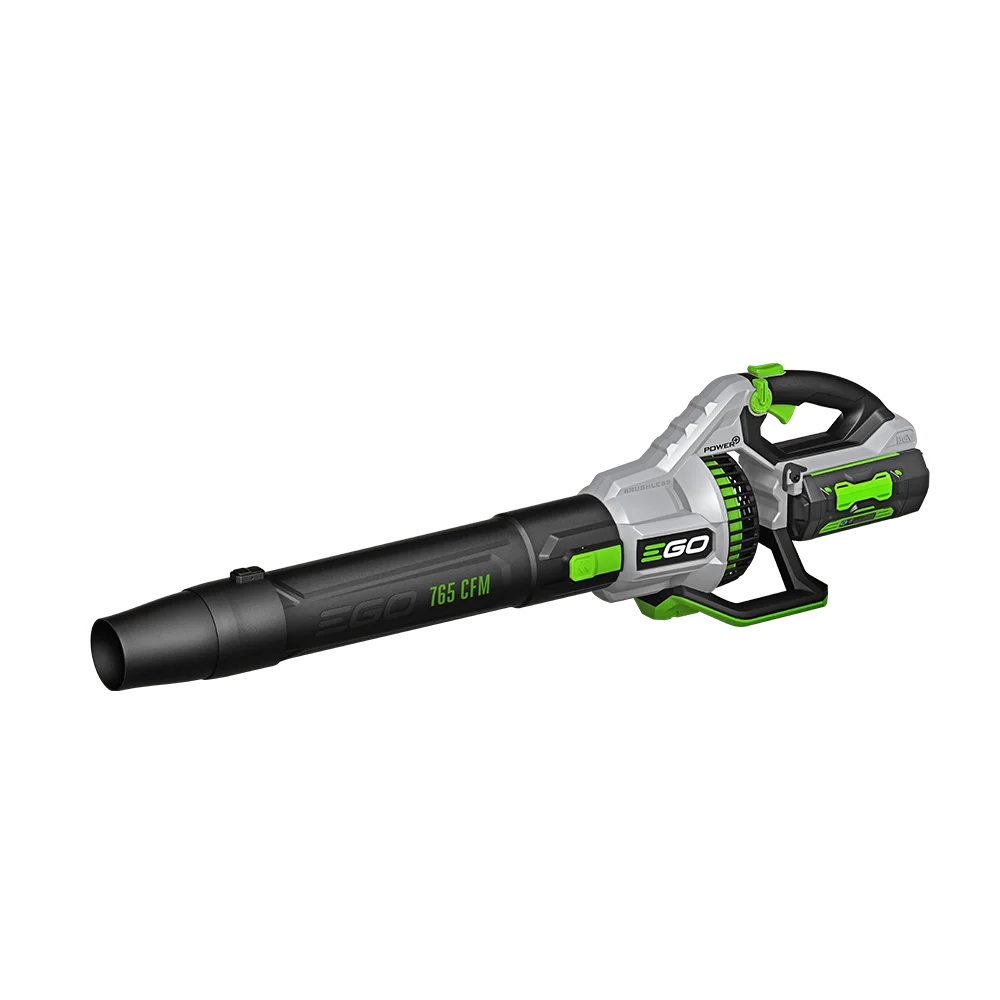
For a thin layer of loose snow on a driveway, walkway, or other ground-level area, the EGO POWER+ LB7654 is the first model to check in this locked pool. EGO lists up to 765 CFM and 200 MPH with the tapered nozzle, and the tool has a variable trigger plus a cruise dial. Those controls let you start gently instead of putting the full stream on a delicate surface. Snow depth, moisture, temperature, and surface material still decide whether a blower is useful.
This is not a recommendation for roofs, gutters, ladders, icy surfaces, wet heavy snow, or deep accumulation. The source registry does not document snow-clearing approval for these models. She Gardens did not test any blower in snow, measure traction, or verify the battery claims in winter conditions. Use the current manual, keep the stream away from people and property, and choose a proper snow-removal tool when the layer is heavy or packed.
| Rank | Product | Best fit | Main drawback |
|---|---|---|---|
| 1 | EGO POWER+ LB7654 | Maximum ground-level air volume | Kit is 9.63 lb with 5Ah battery in PTR reporting |
| 2 | RYOBI 40V HP Brushless Whisper Series RY404100 | Large paths with two batteries | Complete carry weight is not verified |
| 3 | DEWALT DCBL772X1 | 60V platform owners | Weight and runtime are not recorded |
| 4 | EGO POWER+ LB6703 | EGO 56V users | Current MPH and weight are unknown |
| 5 | EGO POWER+ LB6504 | Controlled EGO alternative | Complete kit weight varies |
| 6 | Husqvarna 230iB | Lower-weight tool option | No winter runtime condition |
| 7 | Milwaukee M18 FUEL 2724-20 | Small paths and M18 homes | Lower airflow tier |
The seven snow-use candidates
1. EGO POWER+ LB7654
The LB7654 has the largest documented airflow in this ranking, up to 765 CFM and 200 MPH with the tapered nozzle. EGO also lists a wide-fan nozzle, variable trigger, cruise dial, and IPX4 weather resistance. For a thin loose layer on a level path, the wide fan or a low trigger position may give you more control than a concentrated blast. The 56V kit is blower-only.
PTR reported 4.6 pounds bare and 9.63 pounds with a 5Ah battery under its test setup. EGO lists up to 90 minutes average with a recommended 5.0Ah battery under its condition, while PTR recorded shorter results in its own test. Cold weather can change battery behavior, and the source record does not give a winter runtime.
Pros: Highest airflow, two nozzles, and variable control. Cons: Heavy kit and no winter runtime condition.
2. RYOBI 40V HP Brushless Whisper Series RY404100
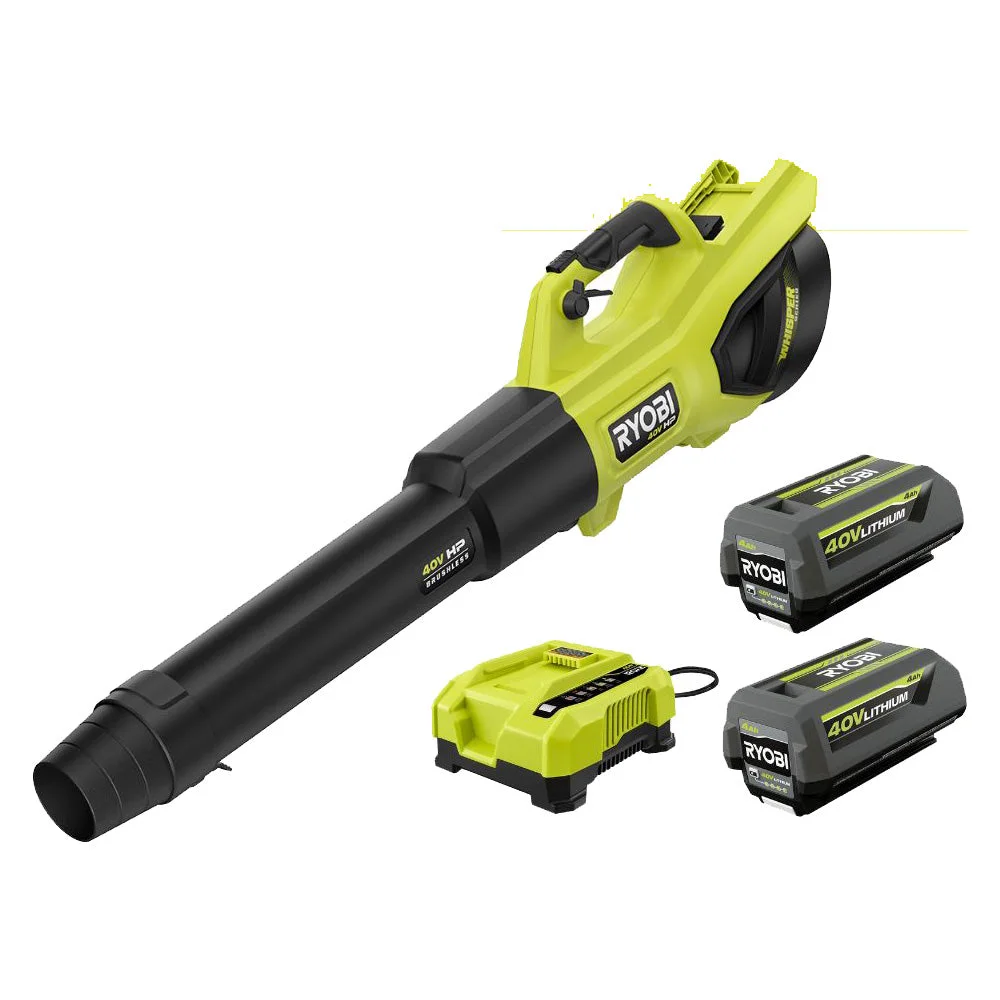
RYOBI’s RY404100 has up to 730 CFM and 190 MPH in the locked product material, with variable control and a handheld format. RYOBI states up to 2 hours using two 40V 4Ah batteries under its condition. The dual-battery setup could suit a wide path, but the complete carry weight is not verified, and that matters when snow removal takes several passes.
Keep the stream low and pointed away from doorways, vehicles, windows, and anyone nearby. The Whisper Series name does not remove the need to follow the manual’s hearing-protection instructions. This is a ground-level candidate, not a roof tool.
Pros: Up to 730 CFM, variable control, and a two-battery condition. Cons: Complete carry weight is unknown.
3. DEWALT DCBL772X1
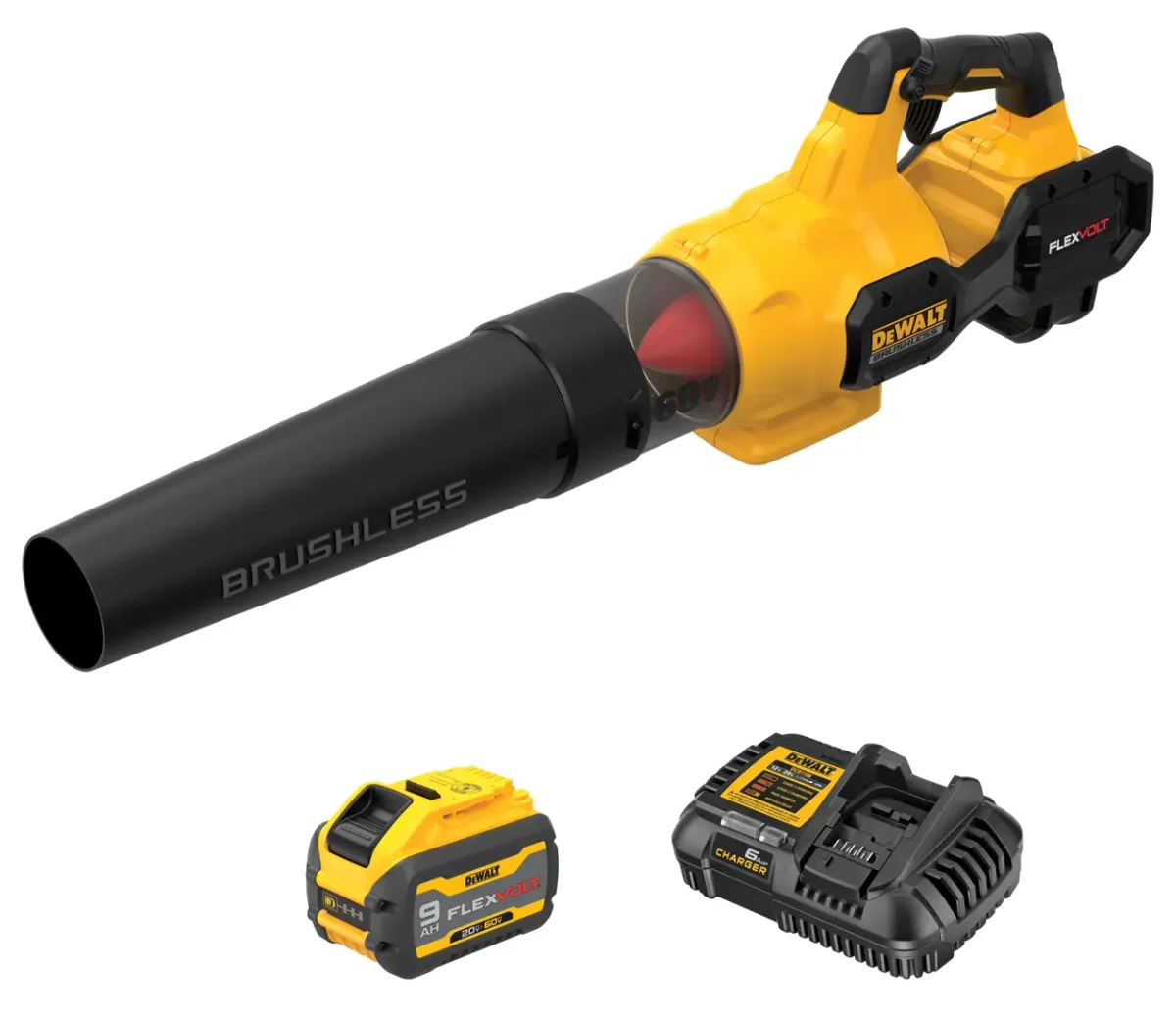
The DEWALT DCBL772X1 is a 60V FLEXVOLT axial handheld blower with 600 CFM and 125 MPH documented in the locked record. Its variable trigger and speed lock make it easier to back away from a concentrated stream. DEWALT lists a 3-year limited warranty, 1 year of free service, and a 90-day satisfaction term.
The checked DEWALT material had conflicting kit-battery text. Weight and runtime are also unverified. Check the exact box contents before relying on it for a winter cleanup route, and remember that a battery rated for a manufacturer condition is not a promise in freezing weather.
Pros: 600 CFM, variable trigger, speed lock, and service terms. Cons: Weight, runtime, and kit details need checking.
4. EGO POWER+ LB6703
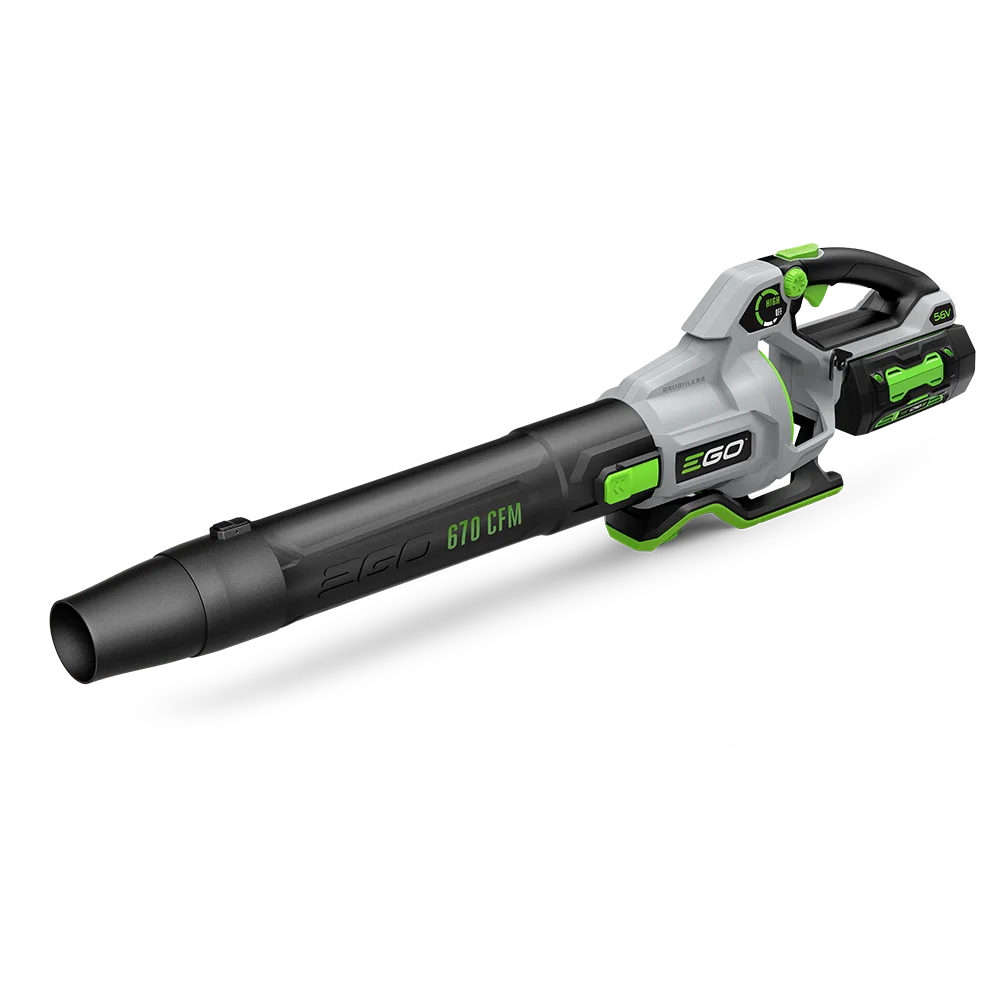
The LB6703 has up to 670 CFM in the current EGO blower range and uses a tapered nozzle with variable-speed control. The locked material does not supply a current MPH, bare weight, kit weight, or runtime. That keeps it below models with clearer winter-relevant handling information, even though its documented airflow is substantial.
An existing EGO 56V owner may prefer this platform. Confirm the current model and kit listing. Do not borrow LB7654’s MPH or weight and apply it to LB6703.
Pros: 670 CFM tier, 56V platform, and variable speed. Cons: Current MPH and weight are not recorded.
5. EGO POWER+ LB6504
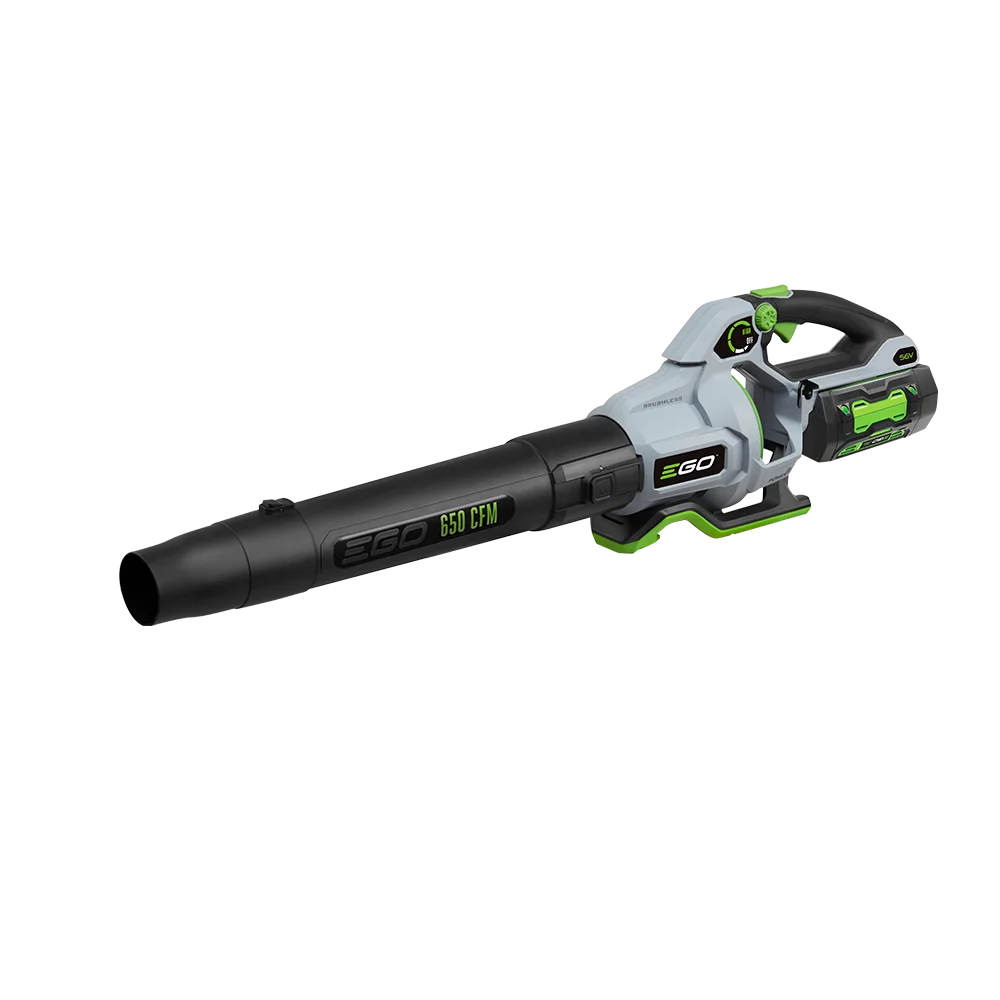
The LB6504 gives a homeowner up to 650 CFM and 180 MPH with the tapered nozzle, along with a spread nozzle, variable trigger, and cruise control. It uses the EGO 56V platform and has IPX4 resistance in the locked record. For a short path with a light layer, its lower rank reflects less airflow than the first four, not a claim that it cannot move snow.
The full kit weight and real winter runtime are not stated. Use the lower control positions around loose gravel or delicate edging, and follow the current manual for moisture and storage limits.
Pros: 650 CFM, spread nozzle, and cruise control. Cons: Full kit weight and winter runtime are unknown.
6. Husqvarna 230iB
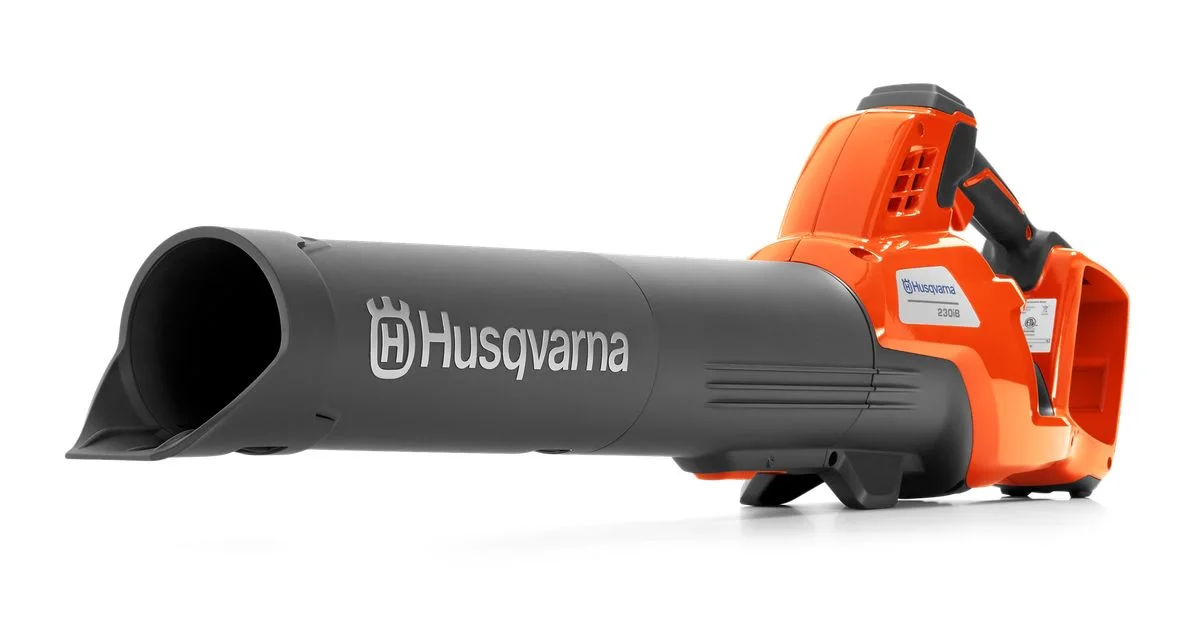
Husqvarna lists 650 CFM at the round nozzle and 5.8 pounds excluding the battery. Its current product material gives 139.81 MPH, while a manual variant reports 136 MPH. The 230iB also has variable speed, boost, and a debris scraper. Those controls are more useful here than the top speed alone because a concentrated stream can send loose material where you do not want it.
The source registry has no runtime condition for winter use. The scraper may help with ground debris, but it does not provide permission for ice, roofs, gutters, or elevated work. Verify the exact battery setup and manual.
Pros: 650 CFM, variable speed, boost, and scraper. Cons: No winter runtime condition and variant figures differ.
7. Milwaukee M18 FUEL 2724-20
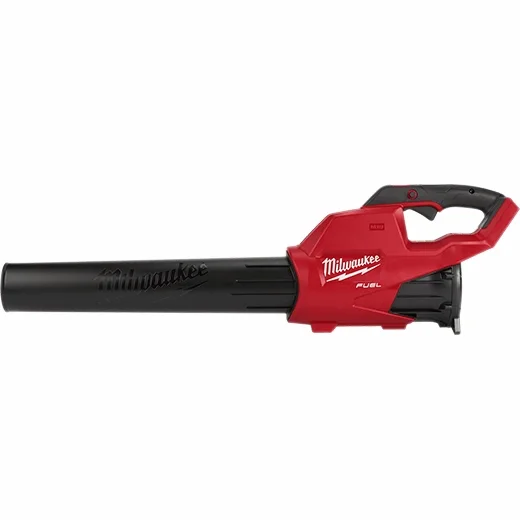
The M18 FUEL 2724-20 uses Milwaukee’s M18 REDLITHIUM battery platform and produces 450 CFM and 120 MPH in the locked record. High and low settings, a variable trigger, and a lock-on button give it a gentler starting point than a fixed-output tool. Milwaukee describes the low setting for beds where you do not want to move mulch.
The 7.4-pound manufacturer-catalog figure needs to be checked against the exact battery configuration. The model has less air volume than the larger candidates, so it fits a short, level path with light snow and an existing M18 battery more than a broad driveway.
Check the Milwaukee M18 FUEL 2724-20
Pros: Low and high settings, variable trigger, and M18 fit. Cons: Lower airflow tier and no runtime claim.
How to use the snow modifier safely
The useful boundary is light, loose snow at ground level. A blower may move a dusting when the flakes have not packed together. Wet, heavy, crusted, or deep snow asks for a different tool, and the locked research does not give a model-specific snow rating. Do not turn an airflow number into a snow-removal guarantee.
Look at the surface before you start. Gravel, pavers, edging, and loose decorations can move under force. Begin with the lowest controllable setting and keep the nozzle angled so debris travels away from doors, vehicles, windows, pets, and people. Never use a blower from a roof or ladder based on these product figures. Slips, falling objects, and loss of balance are separate risks the ranking cannot solve.
Battery conditions deserve extra care in cold weather. The registry gives manufacturer runtime claims only under named battery and test conditions. It does not give winter runtime. Store and charge the battery as its manual says, and stop if the tool, battery, or surroundings fall outside the stated limits. Wear the eye and hearing protection required by the manual.
The garden hose guide for cold weather covers storage in a different outdoor-tool category. Do not use its advice as a substitute for a leaf-blower manual.
For year-round garden work, compare the thick-branch hedge-trimmer guide and home-use hedge-trimmer guide for hedge maintenance.
Frequently asked questions
Can a leaf blower remove snow?
It may move a thin layer of loose snow from a level surface, but these sources do not document a snow-clearing rating for the models. Do not use one for deep, wet, packed, or icy snow without model-specific instructions. A snow blower or shovel is the safer category for heavier accumulation.
Which blower has the most useful snow-control combination?
EGO LB7654 ranks first because it combines the pool’s highest documented airflow with a tapered nozzle, wide-fan option, variable trigger, and cruise dial. That ranking does not make it safe for roofs, gutters, ladders, or slippery work.
Can I use a blower on a roof to remove snow?
This guide makes no roof-use recommendation. Do not infer roof safety from CFM, MPH, IPX4, a scraper, or a battery platform. Follow the manual and use a method suited to the roof and snow load.
Does battery runtime stay the same in winter?
The locked sources do not establish that. EGO and RYOBI provide conditional runtime claims, and PTR reports different LB7654 results under its test conditions. Cold, speed, battery age, and snow resistance can change the session length.
Recommendation
For a light, loose layer on the ground, start with EGO LB7654 if you can manage its battery-equipped weight. RYOBI RY404100 and DEWALT DCBL772X1 suit larger paths when their battery platforms already fit your tools. For every model, treat the snow boundary as narrow and switch to proper snow equipment when the surface is wet, packed, steep, elevated, or difficult to control.
Sources and methodology
She Gardens used the locked leaf-blower shortlist and source registry researched on 29 August 2026. Model facts came from EGO, RYOBI, DEWALT, Husqvarna, and Milwaukee. Independent context came from Pro Tool Reviews, the PTR EGO review, Project Farm, and Bob Vila. She Gardens did not test these tools in snow. Check the current manual and exact battery configuration before use.