
Buying guide
Best raised garden beds for beginners: 7 easier setups
Vego Garden's 17-inch 6-in-1 kit is the easiest all-around starting point in this shortlist. Choose Birdies for another modular metal layout, a two-foot cedar bed for easy reach, or an elevated frame when bending is the main concern.
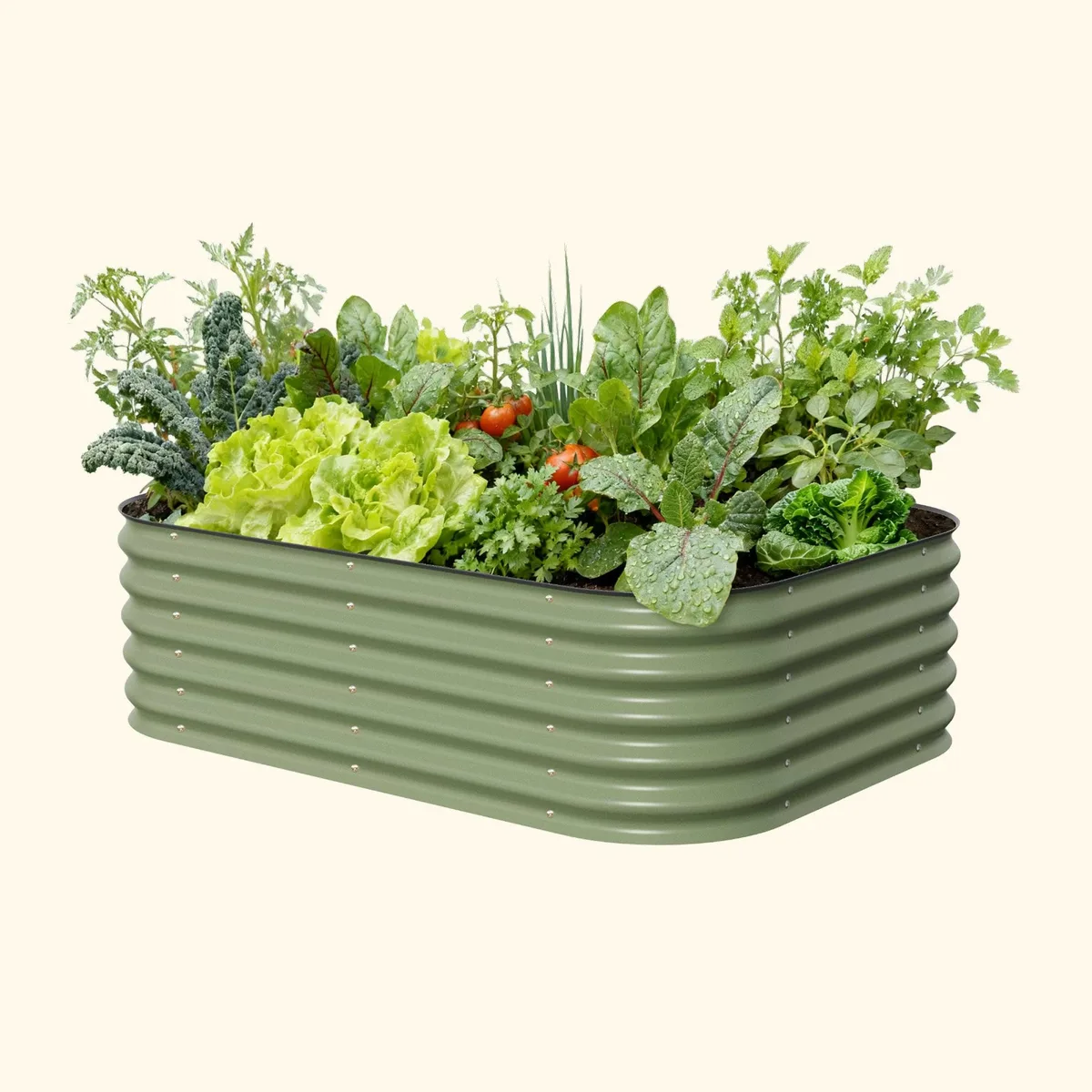
Beginners usually need a bed that makes the first decisions manageable: a sensible height, a clear assembly path, usable access, and drainage that is not a mystery. Vego Garden’s 17-inch 6-in-1 medium kit takes the top spot because its official page lists six configurations and a 17-inch height. Birdies gives you a similar modular-metal route. A two-foot-wide cedar bed is the simpler choice if reaching the center matters more than height.
She Gardens compared the locked product records and did not assemble or grow in these beds. The ranking reflects documented configuration, access, setup burden, and the separate needs of ground-level and elevated installations. Confirm the exact kit, hardware, bed base, and current stock before ordering.
Quick comparison
| Rank | Raised bed | Best fit for a beginner | Main drawback |
|---|---|---|---|
| 1 | Vego Garden 17-inch Tall 6-in-1 Medium Modular Raised Garden Bed Kit | Easiest all-around first bed | Costs more than simple lumber |
| 2 | Birdies Original Medium Modular Steel Raised Garden Bed, 15-inch Tall | Flexible modular layout | Assembly and metal cost |
| 3 | Gardener’s Supply Cedar Elevated Raised Bed | Less bending | Smaller growing volume and higher price |
| 4 | Greenes Four-Bucket Elevated Cedar Garden Frame | Small accessible garden | Buckets and soil are separate |
| 5 | Gardener’s Supply Cedar Raised Bed, 2-ft Wide | Easy center access | Costs more than local boards |
| 6 | Greenes Fence Cedar Raised Garden Bed, 4 x 8 ft | Large first garden | Low height means more bending |
| 7 | Burpee Cedar Raised Bed, 4 x 8 ft | Large footprint from a garden retailer | Height and stock need checking |
1. Vego Garden 17-inch 6-in-1 kit
This is the best beginner default when you want a clear kit rather than a lumber project. Vego’s official page lists six configurations, a 17-inch height, and direct ordering for the locked medium Olive Green variant. The height gives a beginner a more comfortable working position than a low board frame, while the modular layout leaves room to choose the shape that fits the site. Read the Vego product page for the current configuration.
Pros: Six listed configurations, 17-inch height, and a defined kit path. Cons: Metal costs more than a basic lumber frame, and the manufacturer record does not establish food-contact certification. Plan the base and soil volume before delivery.
Check the current Vego kit listing
2. Birdies Original 15-inch modular bed
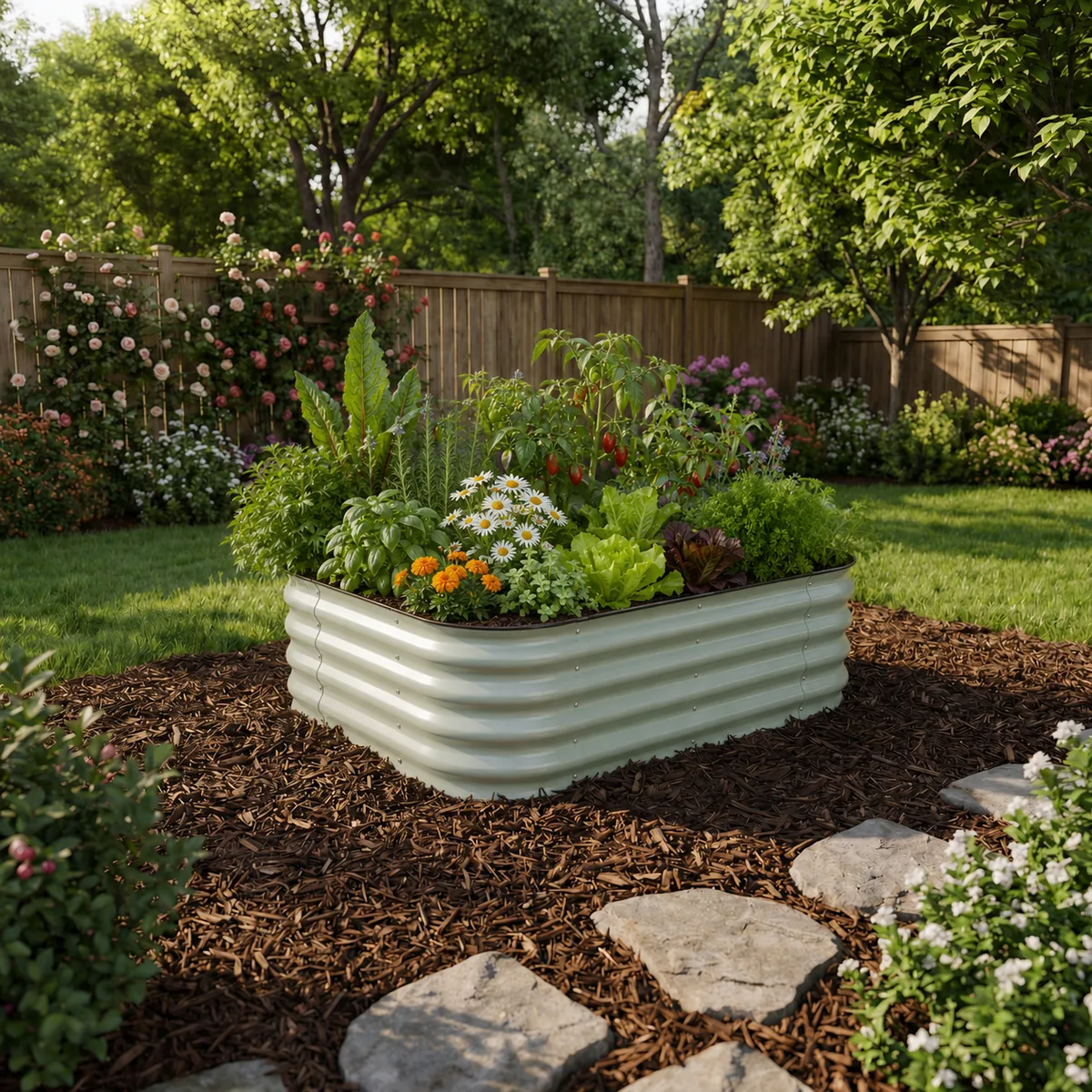
Birdies is the other strong modular choice for a first bed. The locked variant is a 15-inch medium 6-in-1 bed in Mist Green. Birdies lists coated steel construction and a rolled edge on the official product page. That gives a beginner a defined shape system and a little more height than a low cedar frame, though you still need to follow the assembly instructions and prepare a level site.
Pros: Flexible six-in-one layout, 15-inch height, and a rolled edge documented by the manufacturer. Cons: Assembly and metal cost exceed a simple wood frame. Keep the Birdies listing tied to the exact variant you buy.
Check the current Birdies bed listing
3. Gardener’s Supply cedar elevated bed
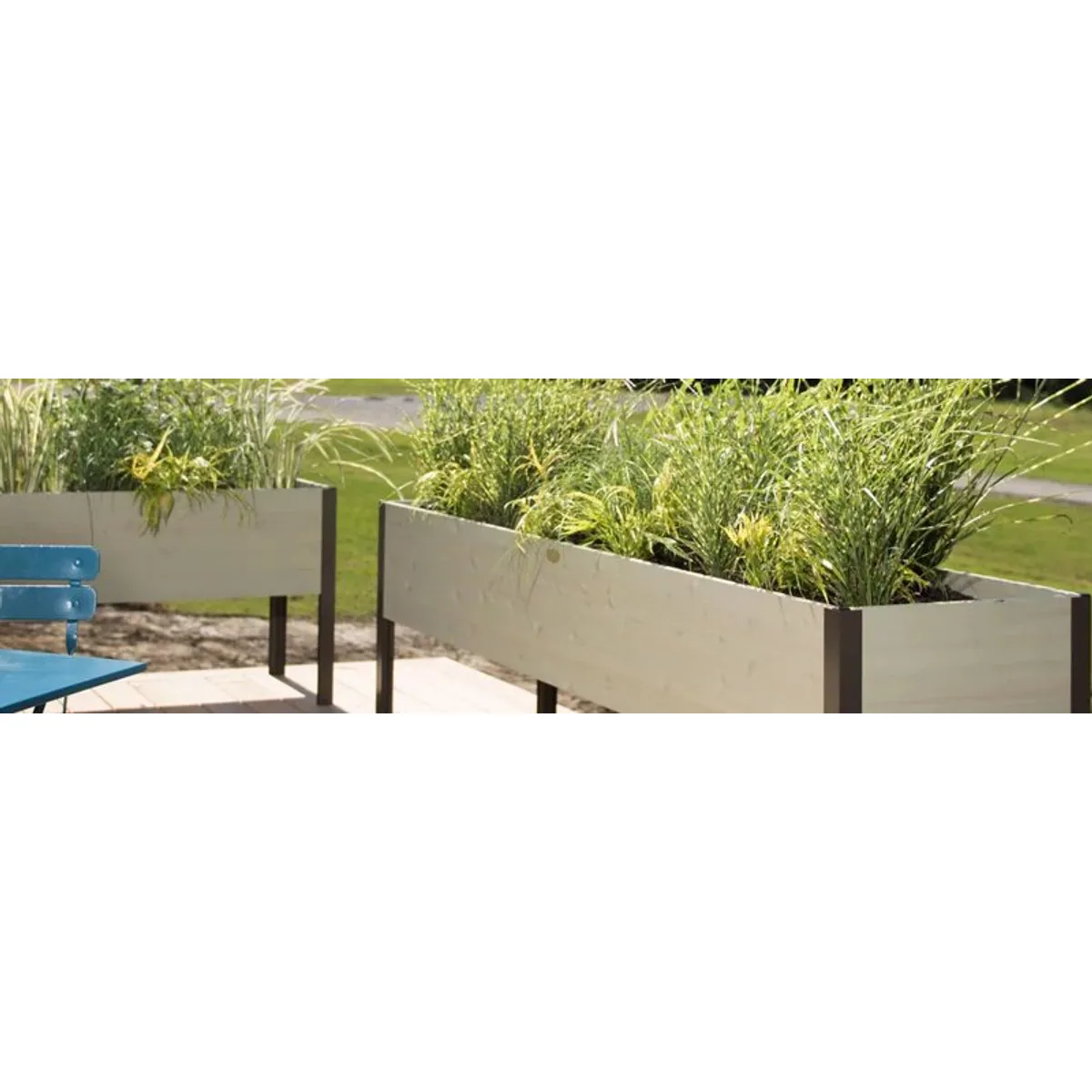
Choose this route when kneeling and bending would keep you from tending the garden. Gardener’s Supply’s elevated collection covers cedar beds for vegetables, herbs, and flowers. The exact model and size are selected from the current collection, so the useful beginner question is whether that particular bed has the volume, liner, drainage, and support you need.
Pros: Reduced bending and a format suited to accessible gardens. Cons: The growing volume is smaller and the price is higher than ground-level boards. The elevated-bed collection is the source for the current model, not a promise that all collection items share one design.
Check the current elevated bed listing
4. Greenes four-bucket elevated frame

The Greenes frame is a good beginner fit for a small space or a gardener who wants separate planting pockets. The official page lists tool-free interlocking assembly, cedar construction, and elevated access. The frame is for four buckets, and the buckets and soil are separate components. That distinction changes the real setup list.
Pros: Elevated access, simple interlocking assembly, and a compact multi-container layout. Cons: Each bucket has limited root volume, and you must source the containers and soil separately. Check the Greenes frame page for the 29-inch or 30-inch height choice.
Check the current Greenes frame listing
5. Gardener’s Supply two-foot cedar bed
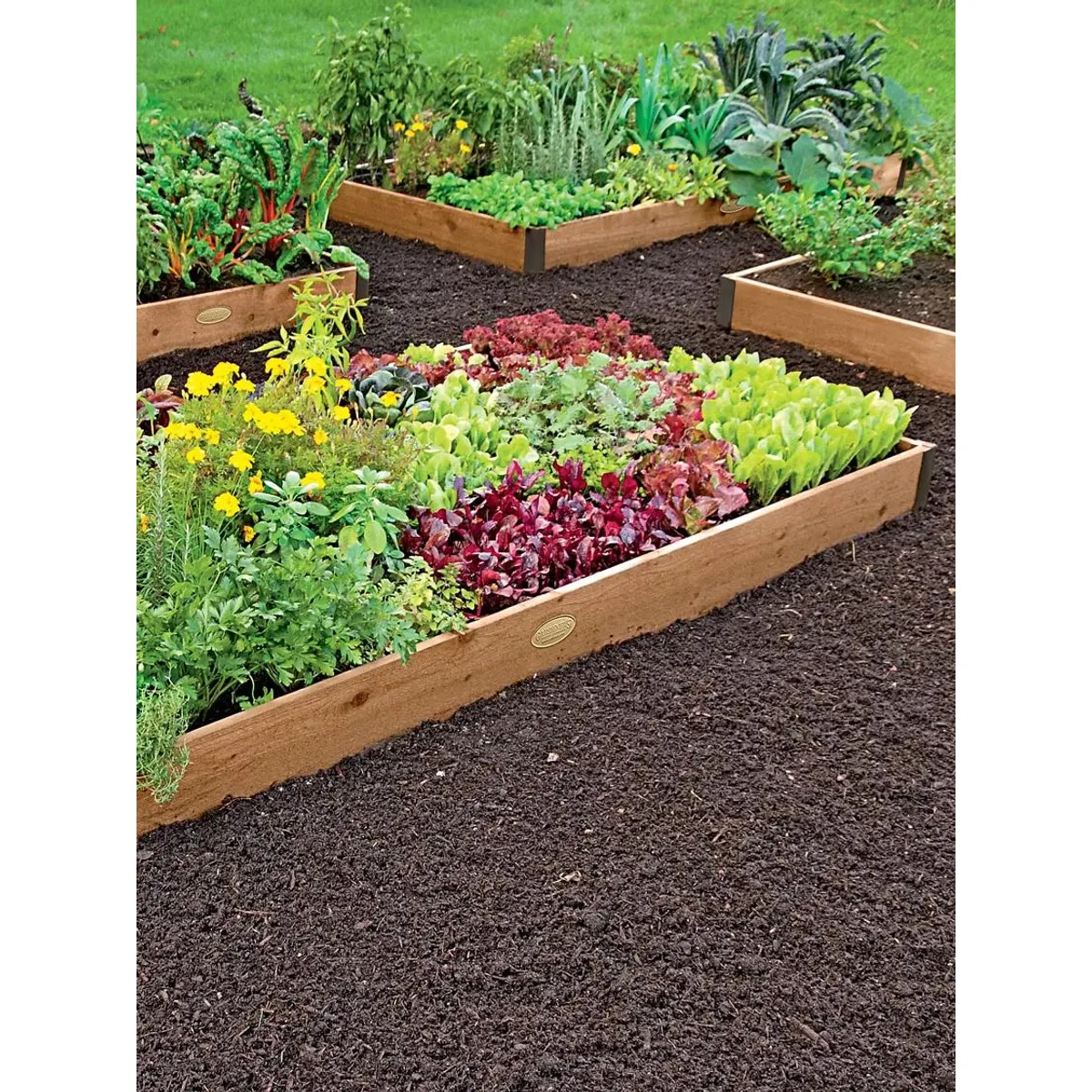
Two feet is the useful feature here. The official page lists cedar boards and multiple lengths for raised beds, while the narrow width lets a beginner reach the center from the outside. It is a good compromise when you want the familiar ground-level garden experience without building a wide box that turns the middle into a chore.
Pros: Easy reach and selectable lengths. Cons: The modular cedar system may cost more than local boards, and the source does not establish food-contact certification for the wood or finish. See the product page for the current size options.
Check the current two-foot bed listing
6. Greenes Fence cedar 4 x 8 bed
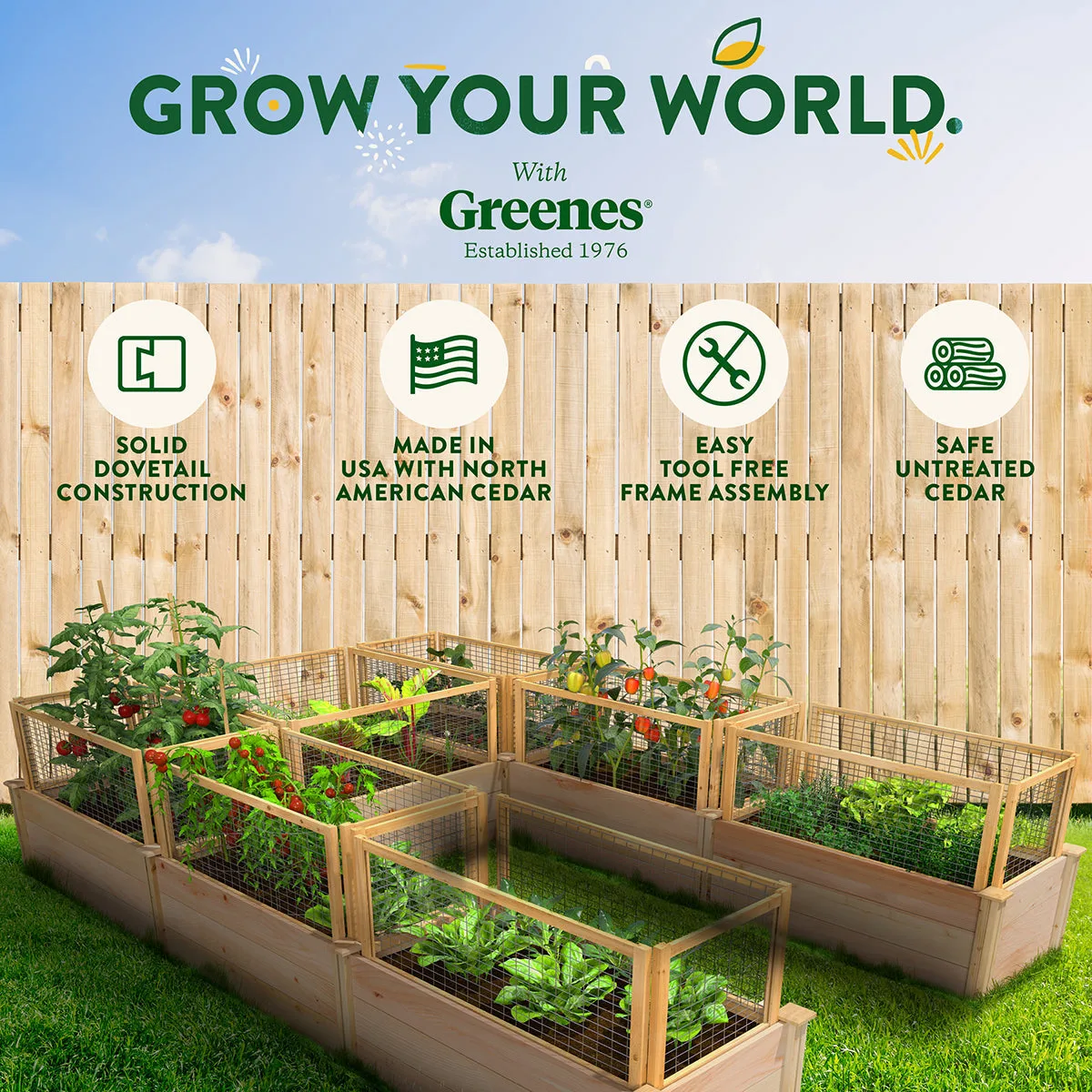
Greenes makes sense for a beginner who already knows a large footprint is wanted. Its official collection identifies cedar raised-bed kits and DIY modular parts. The exact board height must be selected at checkout, so do not assume the image or the four-by-eight footprint tells you the complete setup.
Pros: Familiar cedar format, large planting footprint, and a straightforward product family. Cons: A low bed requires more bending, and the boards will weather. Review the Greenes raised-bed collection before choosing the height and parts.
Check the current Greenes 4 x 8 listing
7. Burpee cedar 4 x 8 bed
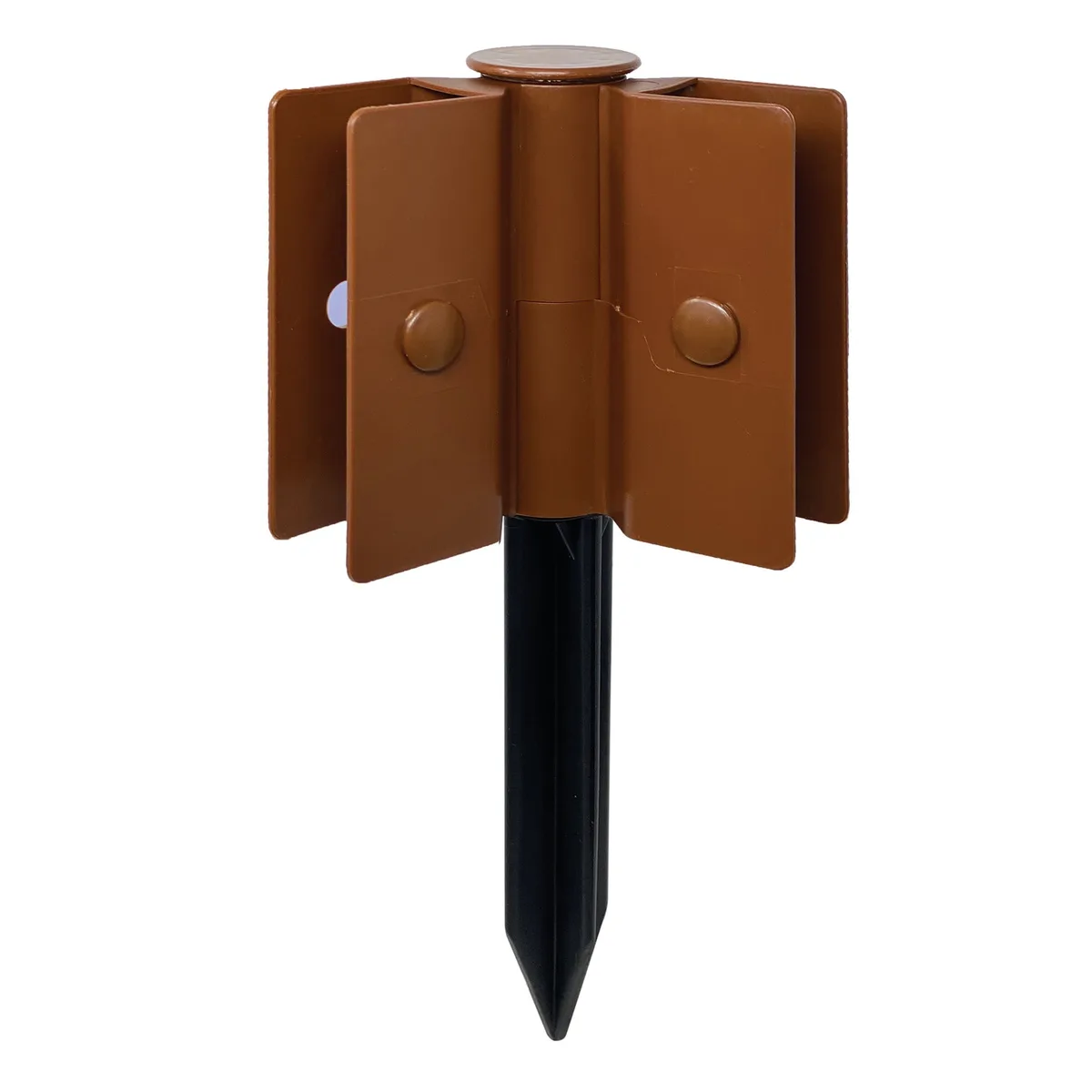
Burpee’s raised-bed components page lists a cedar 4 x 8-foot bed and shipping information. It suits a beginner who wants a large planting area from a known garden retailer and is willing to verify the exact current listing. The low height remains the key tradeoff, especially if you are choosing a raised bed to make access easier.
Pros: Large footprint and a clear retailer source. Cons: More bending than a tall or elevated bed, with checkout stock and the exact route subject to change. Check the Burpee components page before purchase.
Check the current Burpee bed listing
Beginner buying criteria
Measure the space first. A four-by-eight bed needs a clear working route around it, while a two-foot-wide bed solves the reach problem from either side. Leave room for a hose, a cover frame, and the soil you will carry in. The small-space hose guide is useful if the bed will sit on a patio or balcony.
Then choose the kind of access you actually need. A 15- or 17-inch ground-level bed is still different from a 29- or 30-inch elevated frame. Elevated beds also need a load-bearing surface and are not interchangeable with ground-contact beds. Before filling one, check the legs, containers, liner, and drainage instructions for the exact model.
Do not let the first purchase hide the soil decision. A bed frame is not a soil mix. Once the structure is settled, compare amendments and the current label before adding anything.
Frequently asked questions
What is the easiest raised bed for a first garden?
The Vego 17-inch 6-in-1 kit is the easiest all-around choice in this locked list because it combines a documented height with six listed configurations. Birdies is the closest modular alternative.
Is a 4 x 8 bed too big for a beginner?
It is not automatically too big, but it needs more space, soil, and bending than a narrow or elevated bed. Buy that footprint when you already know you can work around it and fill it.
Are elevated beds better for beginners?
They are better when reducing bending is the main requirement. Their growing volume is smaller, and they need a stable supporting surface. Check the exact model rather than treating every elevated bed as the same.
Do raised beds need a liner?
The answer depends on the bed design and drainage. Keep the bottom open when the instructions require it, and do not add a barrier that traps water. Treat a liner as a separate material decision that follows the bed choice.
Should a beginner buy a kit or build from wood?
Buy a kit when clear parts and a defined layout are worth paying for. Build from lumber when local boards, tools, and a custom footprint matter more. The wood guide covers the material tradeoff.
Recommendation
Start with Vego’s 17-inch 6-in-1 medium kit for the most forgiving first setup. Choose Birdies for a similar modular metal approach, a two-foot cedar bed for easy reach, or an elevated Greenes or Gardener’s Supply model when bending is the real obstacle. Pick a four-by-eight bed only after measuring the route, the working space, and the amount of soil you can handle.
Sources and methodology
She Gardens used the locked raised-bed shortlist and source registry researched on 29 August 2026. Manufacturer and authorized retailer pages supplied the configurations, heights, material descriptions, and availability notes. Oregon State Extension supplied shared raised-bed construction context. She Gardens did not assemble or hands-on test these products. Confirm the exact variant, dimensions, support requirements, drainage, current stock, and checkout details before buying. Product images are representative local assets; image rights remain a launch check.