
Buying guide
Best wood to use for a raised garden bed: 7 lumber options
Untreated western red cedar is the safest starting point in this material shortlist. Redwood and black locust are stronger durability bets where the right grade is available, while untreated pine keeps the first build inexpensive.
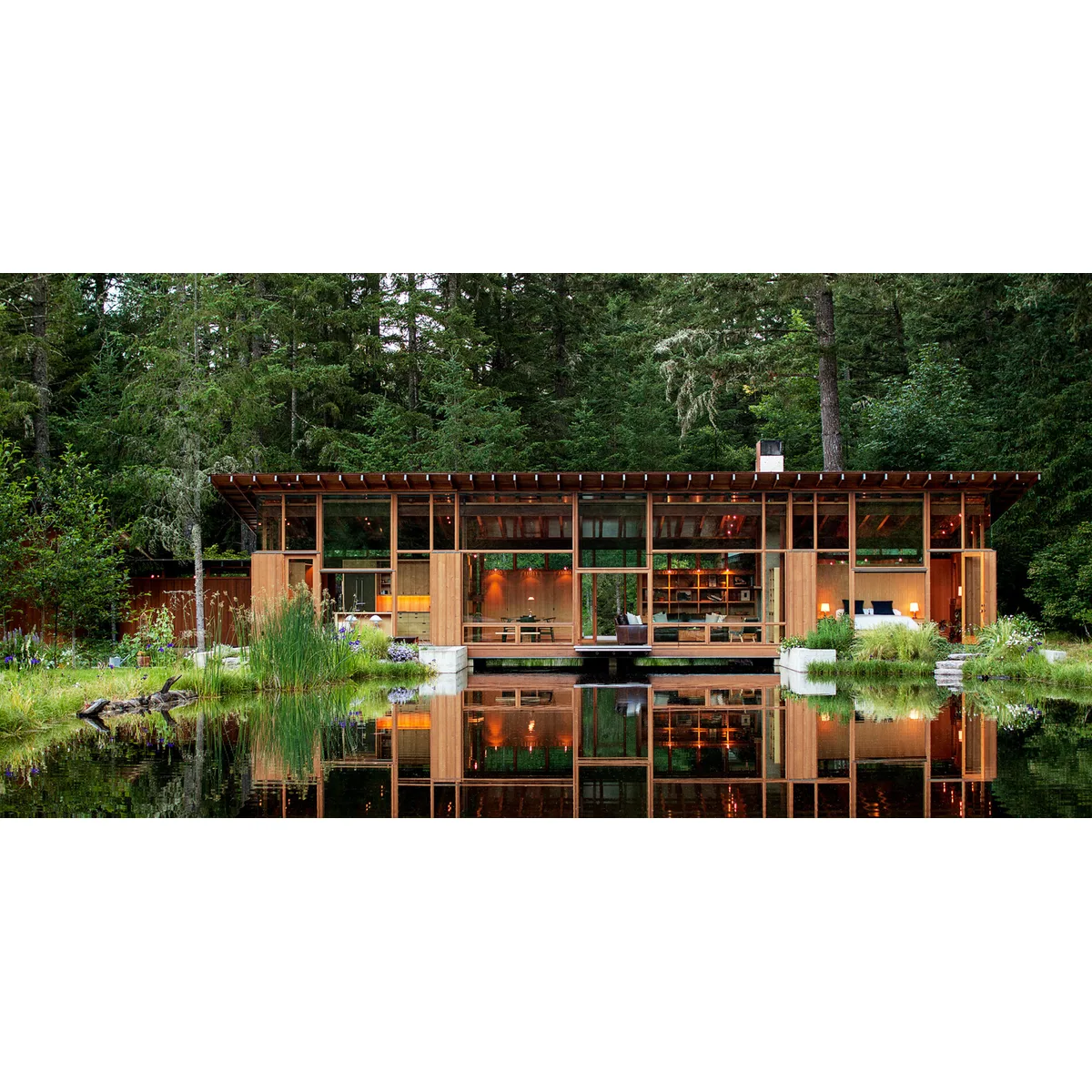
For an edible raised bed, start with a clearly untreated board and a species that suits your moisture and budget. Untreated western red cedar is the best all-around place to begin because the locked source record describes it as naturally decay-resistant and commonly available. Choose redwood or black locust when regional stock gives you the grade you want. Choose pine, Douglas-fir, or hem-fir when low initial cost matters more than a longer service life.
This is a materials guide, not a kit roundup. She Gardens checked the locked manufacturer and extension sources, but did not test these boards in a garden. A product image shows the listed material family. It does not prove the board is untreated, food-contact certified, or the exact grade you will find locally.
Quick comparison
| Rank | Lumber option | Best fit | Main tradeoff |
|---|---|---|---|
| 1 | Untreated western red cedar 2x6 x 8-ft board | Most balanced material choice | Usually costs more than pine or fir |
| 2 | Untreated redwood garden-grade 2x6 x 8-ft board | Regions with good redwood stock | Grade and cost vary by region |
| 3 | Untreated cypress 2x6 x 8-ft board | Regional rot-resistant option | Less consistently stocked nationally |
| 4 | Black locust 2x6 raised-bed board | Maximum durability when available | Specialty sourcing and harder workability |
| 5 | Untreated Douglas-fir 2x6 x 8-ft board | Common, affordable lumber | Decays sooner in wet soil contact |
| 6 | Untreated hem-fir 2x6 x 8-ft board | Regional budget builds | Species and treatment need checking |
| 7 | Untreated pine 2x6 x 8-ft board | Lowest-cost first bed | Usually needs replacement sooner |
1. Untreated western red cedar
Start with western red cedar for a food bed. Real Cedar identifies the species as outdoor lumber, and the locked record describes it as naturally decay-resistant and easy to work. The target format is a 2x6 x 8-foot board, but local grade and stock still need a check at the lumberyard. See the Real Cedar source for the species reference.
Pros: Natural decay resistance, familiar dimensional-lumber format, and broad US availability. Cons: It generally costs more than pine or fir, and the board still needs an untreated label check. Do not turn the species name into a food-contact certification claim.
Check the current cedar lumber listing
2. Untreated redwood
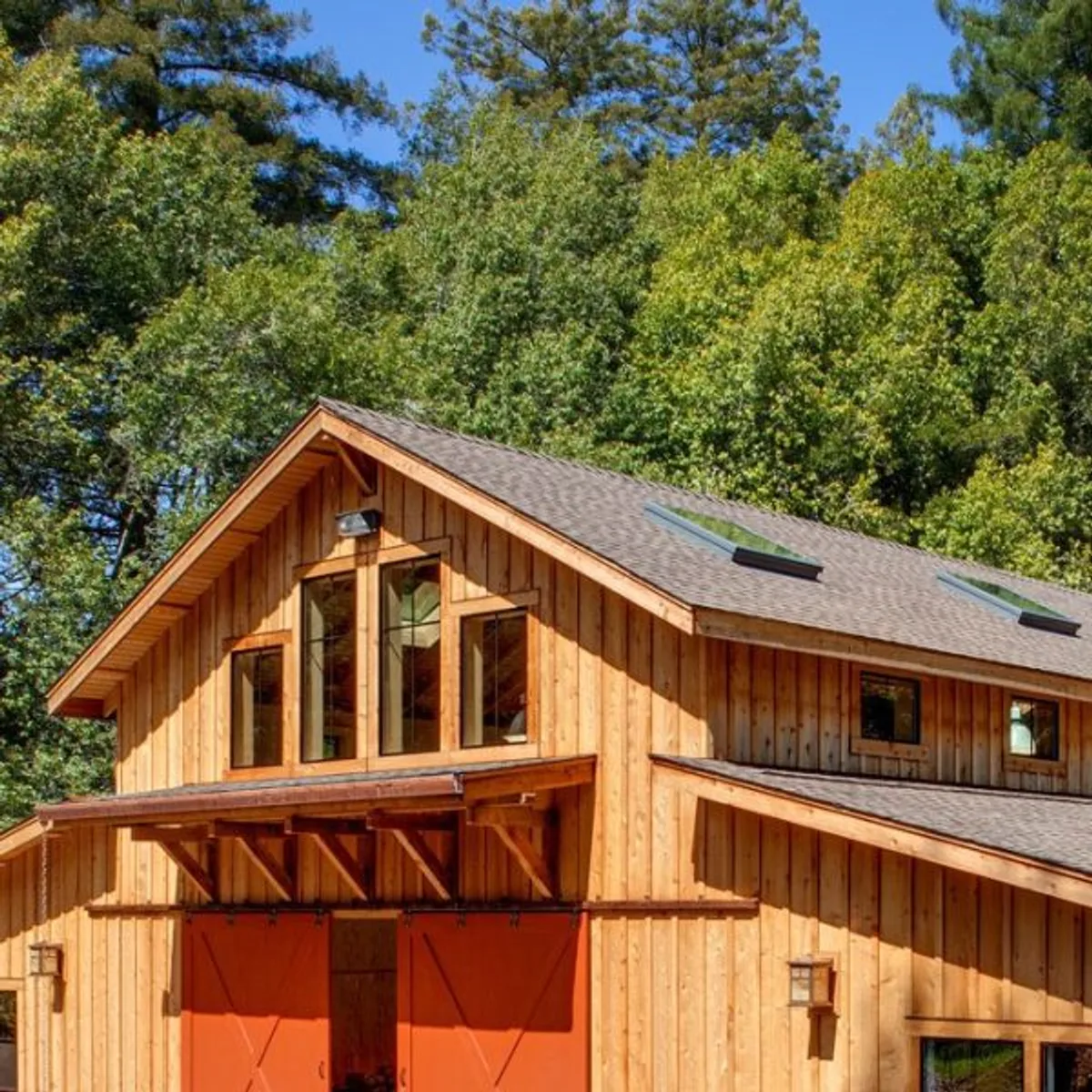
Redwood is a good second choice where you can buy a clearly untreated board in a suitable grade. The California Redwood Association documents redwood grades and outdoor durability. The locked variant is a garden-grade or construction-heart 2x6 x 8-foot board, where available. That final phrase matters. Redwoods are not interchangeable by name alone.
Pros: Good outdoor durability and a useful fit for regions with established redwood supply. Cons: Grade, length, price, and availability vary sharply. Read the redwood source and confirm the treatment mark before buying.
Check the current redwood lumber listing
3. Untreated cypress
Cypress earns a place for gardeners who can source it locally. Cypress Information provides species and outdoor-use information, while the locked record calls for a seller, grade, and treatment check. The proposed format is an untreated 2x6 x 8-foot board where regional stock supports it.
Pros: A regional option with a rot-resistance case and a standard board format. Cons: National availability is uneven, and the species name does not establish food-contact suitability. The cypress source is a starting point, not a substitute for the local label.
Check the current cypress lumber listing
4. Black locust
Black locust is the durability-first pick in this list when a specialty seller has the right board. Black Locust Lumber sells outdoor lumber, but the exact length, grade, and untreated status are seller details. The locked variant is a raised-bed-compatible 2x6 format, not a promise that every listing matches that size.
Pros: Very durable when the right material is available. Cons: It is harder to source and work than common softwoods. The manufacturer source should be checked before you commit to a design. Species durability also does not make the board certified for food contact.
Check the current black locust listing
5. Untreated Douglas-fir
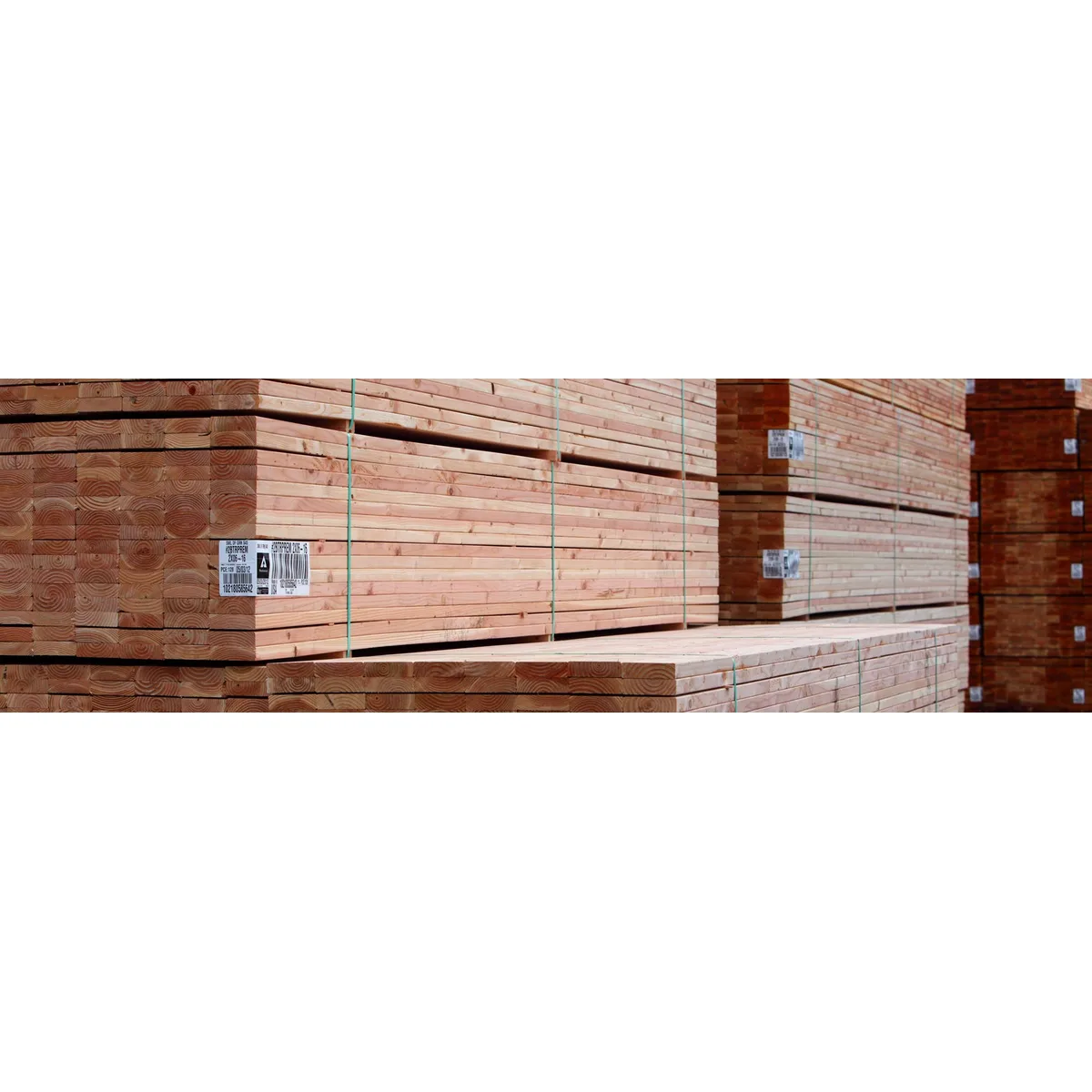
Douglas-fir makes sense when you want a common board and accept a shorter wet-soil service life. Weyerhaeuser lists dimensional lumber products, and the Oregon State Extension source in the registry documents faster decay of untreated Douglas-fir in one raised-bed setting. That is useful caution, not a universal lifespan prediction.
Pros: Usually affordable and easy to find. Cons: Prolonged soil moisture is a tougher assignment for it than for the more decay-resistant choices above. Use only a clearly untreated board for an edible bed and inspect the lumber source and local treatment mark.
Check the current Douglas-fir listing
6. Untreated hem-fir
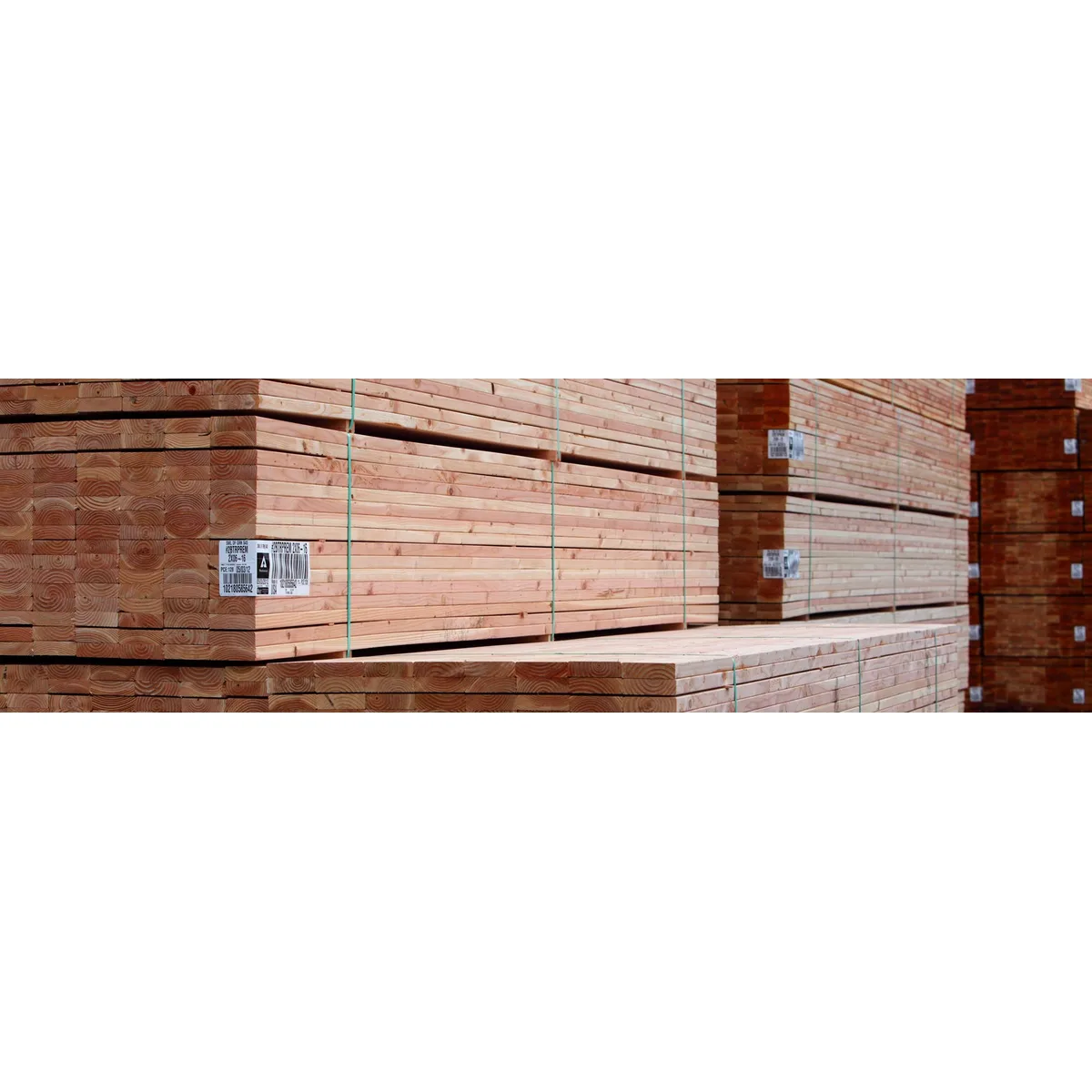
Hem-fir is a regional dimensional-lumber category, so its name tells you less than the board tag. Check the actual species, grade, and treatment mark. The locked format is an untreated 2x6 x 8-foot board where local stock supports it.
Pros: Often inexpensive in the regions where it is stocked. Cons: It needs more protection from prolonged soil moisture than cedar or redwood, and the category should not be treated as proof of rot resistance. Weyerhaeuser’s lumber page supplies the product-family reference.
Check the current hem-fir listing
7. Untreated pine
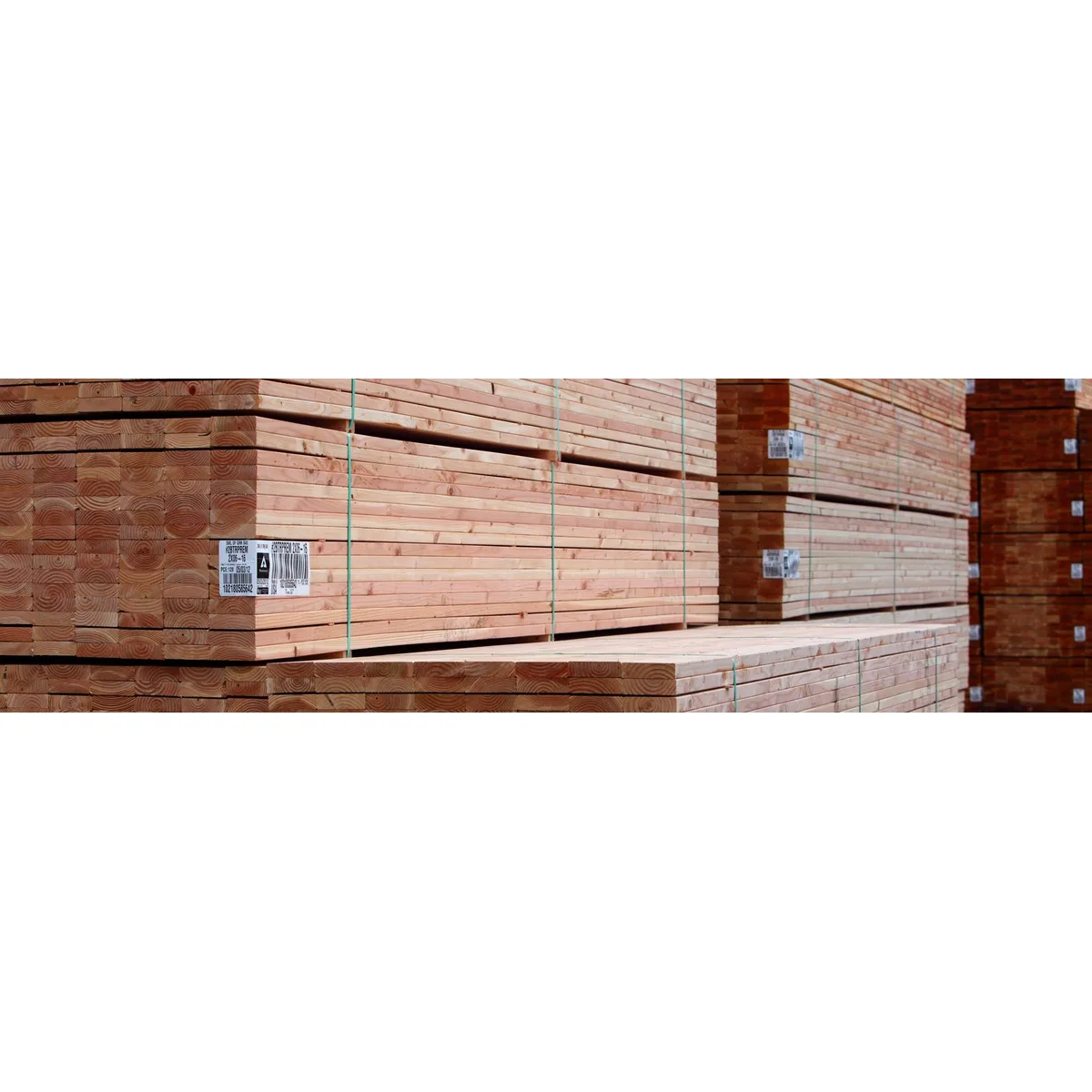
Untreated pine is the practical budget pick. US retailers commonly carry 2x6 x 8-foot dimensional lumber, though seller and grade vary. The retailer source is a category reference, so confirm the actual board in your cart.
Pros: Low initial cost and broad availability. Cons: It usually needs replacement sooner in wet soil contact. For food beds, choose a clearly untreated board and reject unknown salvaged lumber. A cheaper frame can still be the right decision if you are comfortable rebuilding it later.
Check the current untreated pine listing
How to choose raised-bed lumber
Start with treatment status. For a bed that will grow food, read the board stamp and seller description. Do not use unknown salvaged lumber, and do not recommend old salvaged or legacy CCA-treated lumber for food beds. The Oregon State Extension construction guidance is the locked independent source for that safety boundary.
Next, match the species to the wetness of the site and the life you expect from the frame. Cedar and redwood lead when natural decay resistance matters. Cypress and black locust can make sense when local supply is favorable. Douglas-fir, hem-fir, and pine lower the entry cost, with more exposure to soil moisture. None of these choices removes the need for sound joints, drainage, and a board that is actually the advertised species and grade.
Finally, measure the span and buy the exact dimension your corner hardware expects. A 2x6 label describes the nominal lumber format, not a guarantee that every local board has the same final measurements. Keep the source image honest: these are representative material images, not proof of a particular seller’s board.
Plan the soil inputs after the frame, drainage, and treatment status are settled. The published small-space hose guide is useful when the bed will sit on a patio or balcony.
After choosing the frame material, compare the raised-bed irrigation guide and lawn irrigation guide for watering plans.
Frequently asked questions
What is the best wood for a food-producing raised bed?
Untreated western red cedar is the strongest general starting point in this shortlist. Redwood is a close alternative where the right untreated grade is available. The key decision is the specific board’s treatment status and grade, not the species name alone.
Is untreated pine acceptable for a raised garden bed?
It is the budget option in this ranking. Use a clearly untreated board, expect shorter service in wet soil contact, and avoid unknown salvaged lumber. Choose cedar or redwood if replacing the frame sooner would be a problem.
Is cedar food-contact certified?
The locked source record does not establish food-contact certification for the cedar board. It identifies western red cedar as outdoor lumber and says to verify that the board is untreated. Keep those claims separate.
Should I use pressure-treated wood?
This guide does not recommend a treated board for an edible bed. Treatment chemistry and intended use must be verified from current documentation. Do not use old salvaged or legacy CCA-treated lumber for food beds.
Does thicker lumber last longer?
The locked research pool does not support a universal service-life formula. Choose a board size that matches the bed span and hardware, then compare species, treatment status, drainage, and local moisture.
Recommendation
Price untreated western red cedar first. If the local cedar is poor or unavailable, check untreated redwood, cypress, or black locust by grade and treatment label. Use untreated pine, Douglas-fir, or hem-fir when the lower entry cost is the point of the project and you accept more frequent replacement.
Sources and methodology
She Gardens used the locked raised-bed product shortlist and source registry researched on 29 August 2026. Manufacturer and industry sources supplied the material-family descriptions. Oregon State Extension supplied the independent raised-bed construction and treated-lumber safety context. She Gardens did not conduct hands-on testing. Confirm species, grade, dimensions, treatment status, local availability, and current checkout details before buying. Product images are representative local assets; image reuse permission remains a launch check.