
Buying guide
Best compost for a raised garden bed: 7 amendments compared
G&B Organics Purely Compost is the first bag to check when it is sold in your region. Coast of Maine and Malibu offer more specific published ingredient descriptions, while bagged manure and cotton burr compost need a careful local-label check.
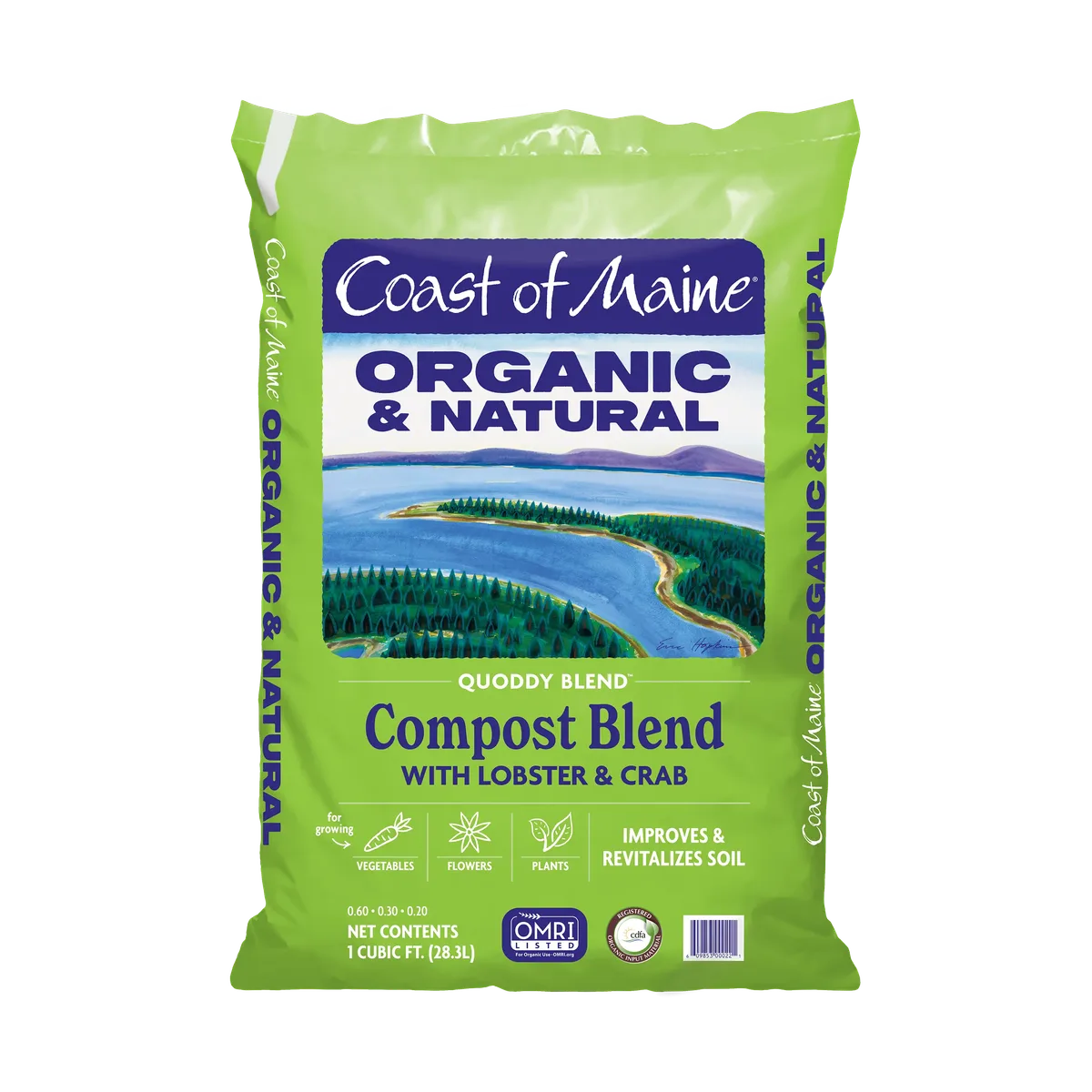
The best compost for a raised bed is the bag or local batch with a clear current label, mature material, and ingredients that suit the soil mix you are building. G&B Organics Purely Compost leads this list because the manufacturer records a 1.5-cubic-foot bag, garden and vegetable use, regional availability, and ingredients that vary by region. Coast of Maine Quoddy Blend is a good second check when its marine-based ingredient list and local availability fit your plan.
Compost is an amendment, not automatically a complete raised-bed soil. She Gardens checked the locked product and source records, but did not inspect or test these bags. Ingredient lists, bag sizes, formulas, local stock, and label directions can change. Treat the product images as representative images, not proof of a current bag or universal recipe.
Quick comparison
| Rank | Compost or amendment | Best fit | Main tradeoff |
|---|---|---|---|
| 1 | G&B Organics Purely Compost, 1.5 cu ft | Regional bagged compost | Ingredients vary by region |
| 2 | Coast of Maine Quoddy Blend Lobster Compost, 1 cu ft | Published marine-based blend | Regional availability and mix |
| 3 | Malibu Compost Bu’s Blend Biodynamic Compost, 1 cu ft | Specific ingredient description | Uneven US distribution |
| 4 | Espoma Organic Land & Sea Gourmet Compost | Documented bagged amendment | Label details vary by retailer |
| 5 | Black Kow Composted Cow Manure, bagged | Manure amendment | Not a complete soil |
| 6 | Ferti-Lome Composted Manure | Straightforward local option | Fewer public ingredient details |
| 7 | Back to Nature Cotton Burr Compost | Plant-based option where stocked | Formula and stock vary by region |
1. G&B Organics Purely Compost
G&B Organics Purely Compost is the best first search for a gardener who wants a bagged compost with a stated size and regional sourcing notes. Kellogg Garden Products lists the 1.5-cubic-foot bag and use for gardens and vegetables. The ingredient list varies by region, so the bag in your store is the authority for the current formula. Read the manufacturer product page before you buy.
Pros: Clear bag size, garden use, and a product page that acknowledges regional ingredients. Cons: It is not sold in every state and a single online ingredient list cannot stand in for your local bag.
Check the current G&B compost listing
2. Coast of Maine Quoddy Blend
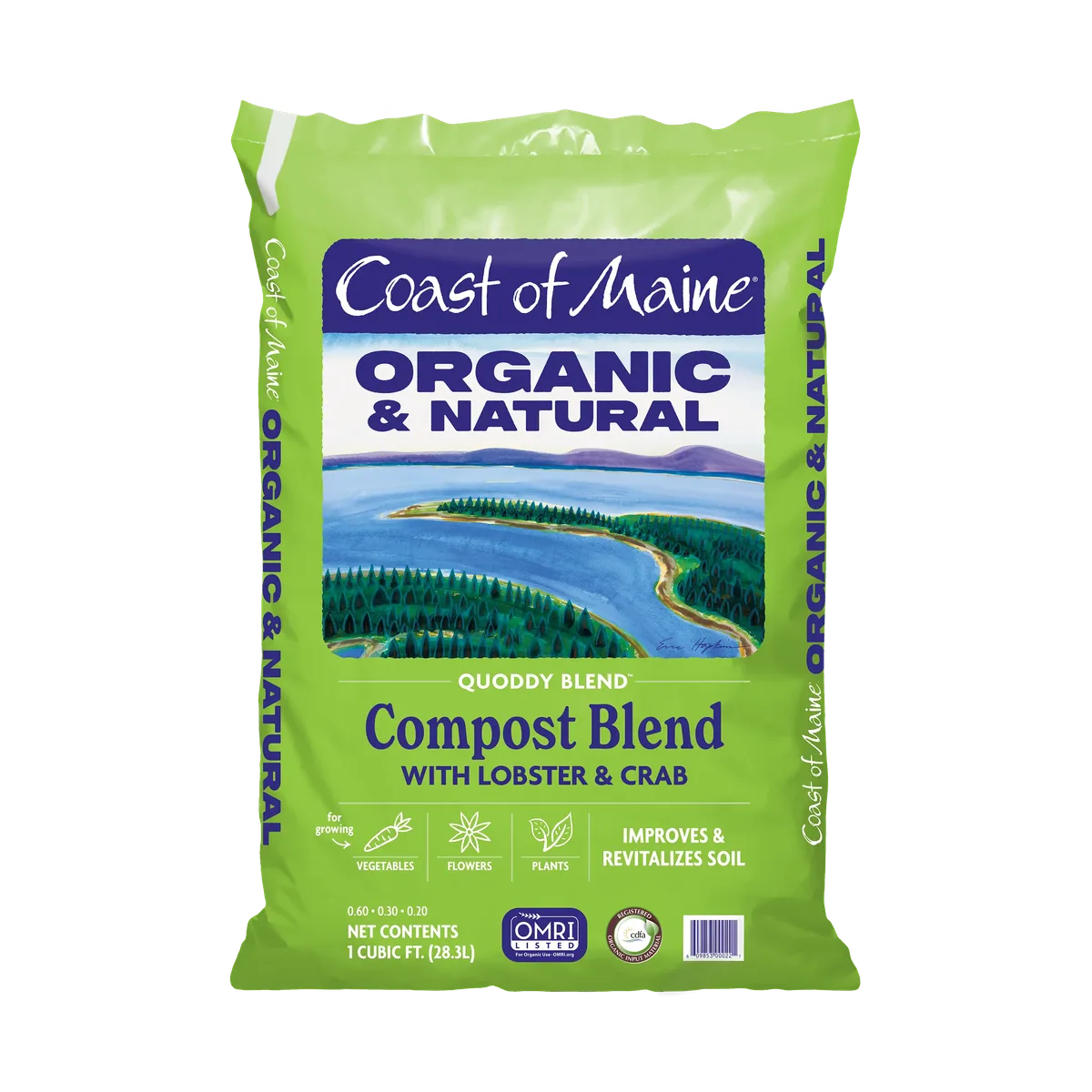
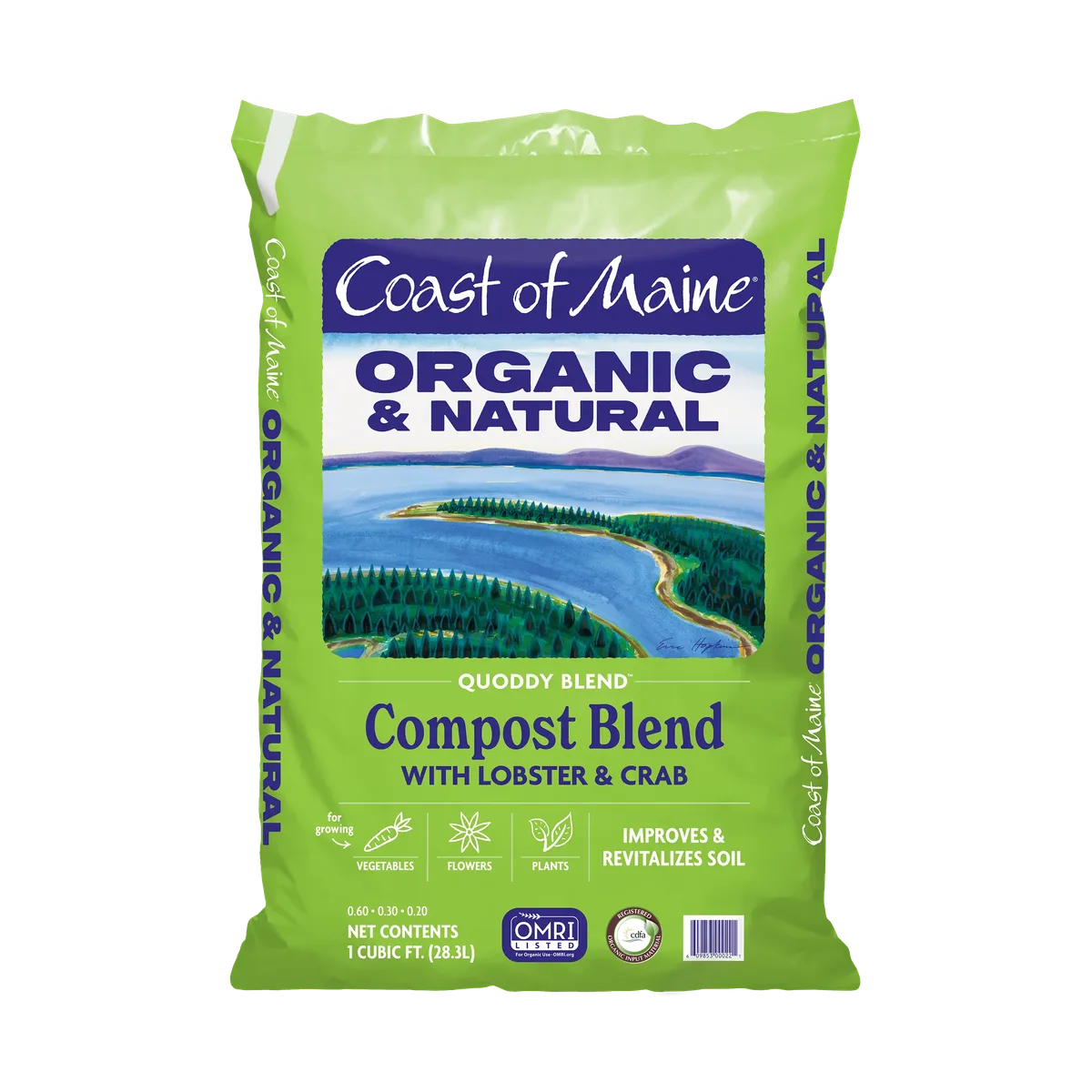
Quoddy Blend suits a buyer who wants a published ingredient description. Coast of Maine lists composted manure, peat moss, aged bark, and lobster and crab shell meal, along with local-retailer ordering for the one-cubic-foot bag. Those ingredients describe this product record; they do not establish a universal performance result in every bed. See the Quoddy Blend page.
Pros: Specific ingredient description and a defined bag size. Cons: Regional stock matters, and the blend may not match the soil mix you already have.
Check the current Quoddy Blend listing
3. Malibu Compost Bu’s Blend
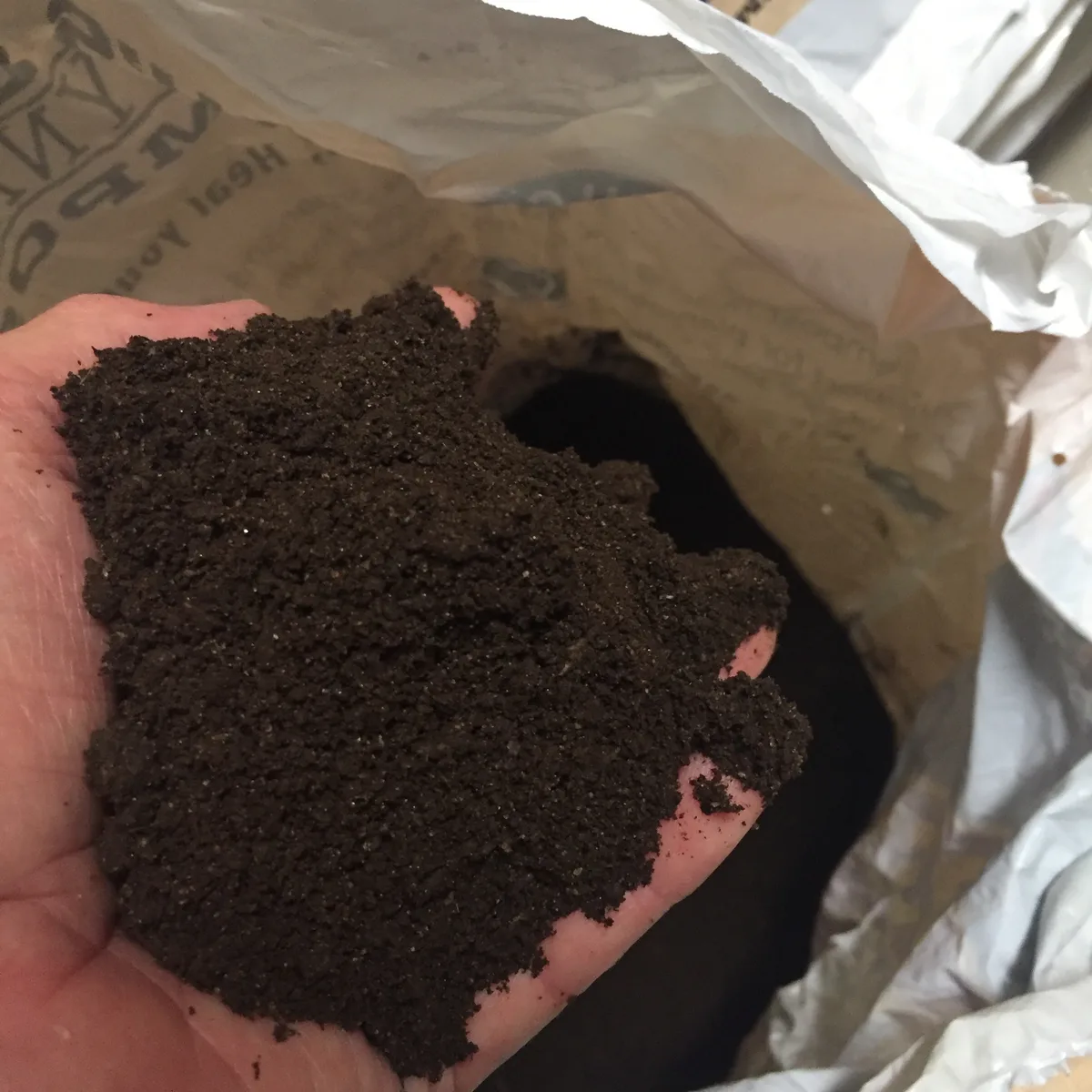
Malibu Compost publishes a one-cubic-foot Bu’s Blend with dairy cow manure, wood chips, and named biodynamic preparations. The manufacturer also lists use in raised beds. That detail makes it easier to compare the bag with your intended amendment plan, although distribution is uneven across the United States. Use the manufacturer site and current local label together.
Pros: Specific ingredient description and stated raised-bed use. Cons: It is not stocked evenly, and the product name alone does not support a broad certification claim.
Check the current Malibu listing
4. Espoma Land & Sea Gourmet Compost
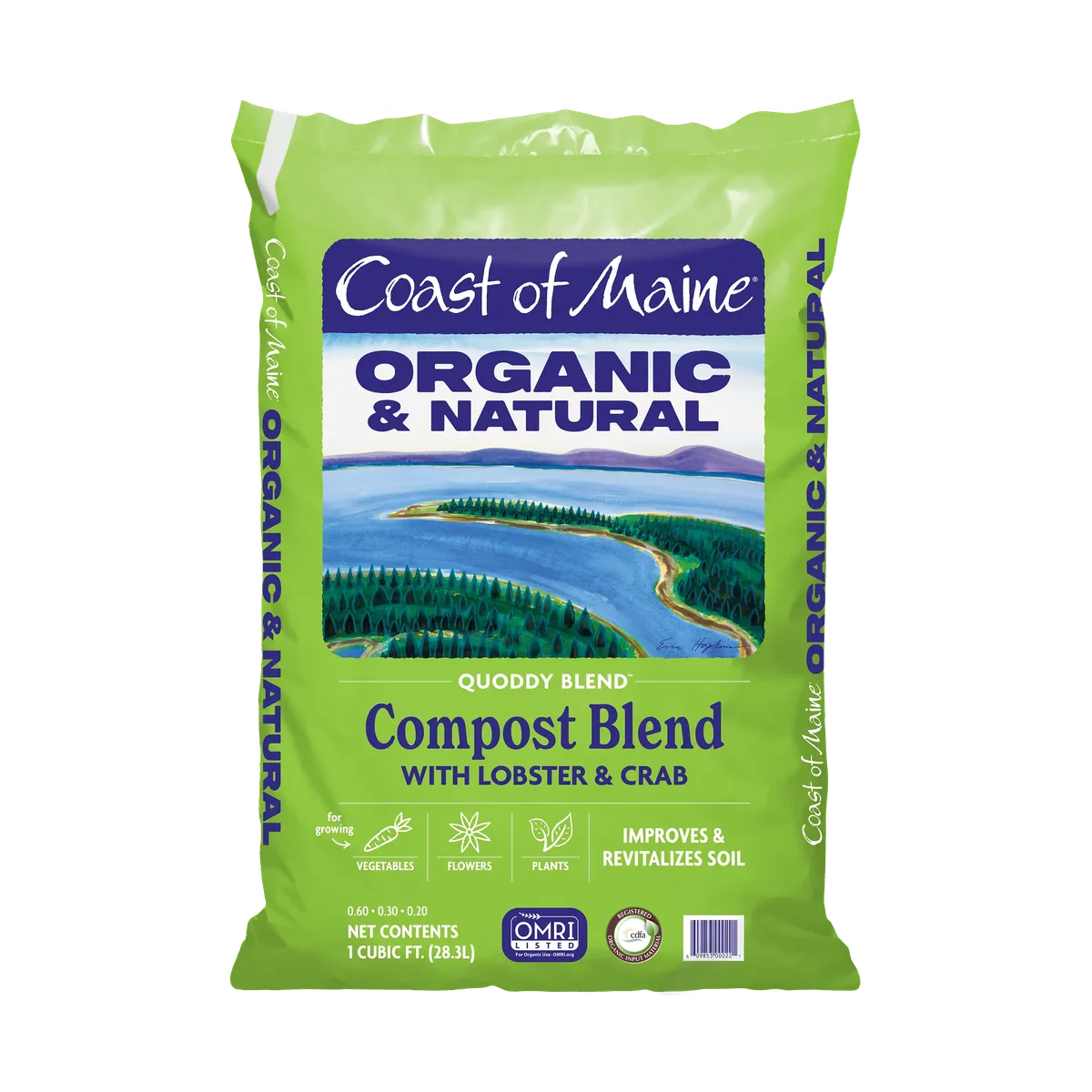
Espoma gives this bagged amendment a product page and a safety data sheet. That documentation is useful when you want to read the current label and handling information before mixing it into a bed. The locked record does not provide a guaranteed analysis or a universal ingredient list, so do not fill in those blanks from the name. Use the Espoma product page for the current details.
Pros: Recognizable product documentation and a straightforward bagged format. Cons: Retailer label details and availability differ, so the exact bag needs checking.
Check the current Espoma compost listing
5. Black Kow composted cow manure
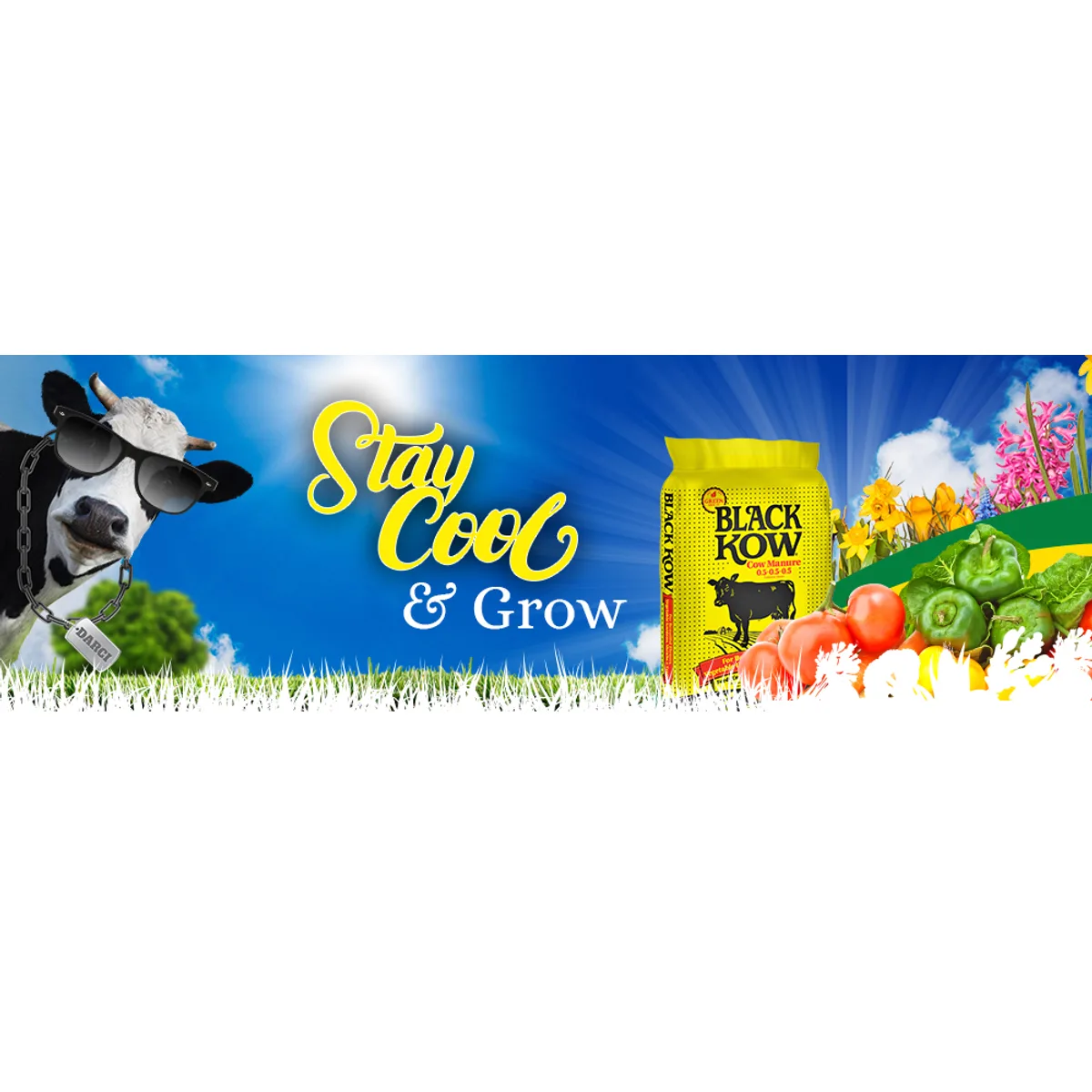
Black Kow is a manure amendment, not a complete raised-bed soil. The official page identifies it as composted cow manure and tells the buyer to use the current bag label for analysis and directions. That makes it a reasonable choice when you want manure-based organic matter and can control how much goes into a broader mix. Review the Black Kow product page.
Pros: Clear product identity and a familiar bagged format. Cons: Batch and source variation matter, and overapplication can create soluble-salt or nutrient concerns. Do not claim pathogen-free or organic status without current evidence.
Check the current Black Kow listing
6. Ferti-Lome composted manure
Ferti-Lome is the simple local option in this ranking. The manufacturer identifies it as compost manure and directs buyers to the current label for use. Public ingredient information is less detailed in the locked record, which is why label checking carries more weight here than product-name familiarity. See the Ferti-Lome page.
Pros: Straightforward amendment category where stocked. Cons: Less published ingredient detail and regional retailer availability. Treat it as an amendment, not the whole bed fill.
Check the current Ferti-Lome listing
7. Back to Nature Cotton Burr Compost
Back to Nature’s cotton burr compost line gives gardeners a plant-based amendment option where it is sold. The locked record says the current label, ingredients, bag size, and regional formula must be checked. That is a real buying criterion for a regional compost product, not a footnote. Start with the manufacturer site.
Pros: Plant-based option with a clear product family. Cons: Regional formula and availability need a fresh local check, and the name does not establish organic certification.
Check the current Cotton Burr listing
How to choose compost for a raised bed
First decide whether you need compost or a complete raised-bed soil mix. Compost adds organic material to a broader growing medium. The US Composting Council guidance and the University of Minnesota compost guidance are the locked general sources here. They do not turn any one bag into a universal recipe.
Check the current label for maturity, ingredients, application directions, and any analysis the manufacturer actually publishes. For manure products, ask where the material came from when the label leaves that question open. Do not assume that a familiar green word in a product name means the same thing as a current certification.
Buy enough to amend the intended volume without guessing at a rate. Use the label and your soil plan. If you are still choosing the frame, the earlier beginner raised-bed guide can help you separate bed size from soil volume. The wood guide covers the frame material itself.
Frequently asked questions
Is compost the same as raised-bed soil?
No. Compost is an amendment. A raised-bed mix may contain several materials, and the right balance depends on the bed, crops, drainage, and current soil. Follow the plan and label rather than filling a bed with one product by default.
How much compost should I add?
Use the current product label and the soil plan for your bed. This locked research pool does not support one rate for every compost, bed, or crop.
Is composted manure safe for vegetables?
The product records identify Black Kow and Ferti-Lome as composted manure products, but they do not support a blanket pathogen-free claim. Read the current label and follow local guidance before using manure-based amendments around food crops.
Is every product in this list organic?
No blanket claim is supported. Some product records include brand or product terms, but organic status must stay tied to current product documentation or certification. Do not infer it from a name.
Should I buy bagged or bulk compost?
Choose the source you can inspect and replenish locally. Bagged products make the label and product identity easier to compare. Bulk material can vary by supplier, so ask about the current feedstock, maturity, and test information.
Recommendation
Check G&B Organics Purely Compost first if it is available in your region and its local ingredient list suits your mix. Choose Quoddy Blend or Bu’s Blend when their published ingredient descriptions fit the job. Use Black Kow or Ferti-Lome as manure amendments, not complete soil, and let the current label decide the rate and claims.
Sources and methodology
She Gardens used the locked raised-bed shortlist and source registry researched on 29 August 2026. Manufacturer pages supplied product identity, bag sizes, published ingredients, use notes, and availability limits. The US Composting Council and University of Minnesota supplied general compost context. She Gardens did not inspect, test, or grow in these products. Recheck the current label, maturity, ingredients, analysis, certification language, local stock, and application directions before buying. Product images are representative local assets; image rights remain a launch check.