
Buying guide
Best composters for beginners: 7 forgiving ways to start
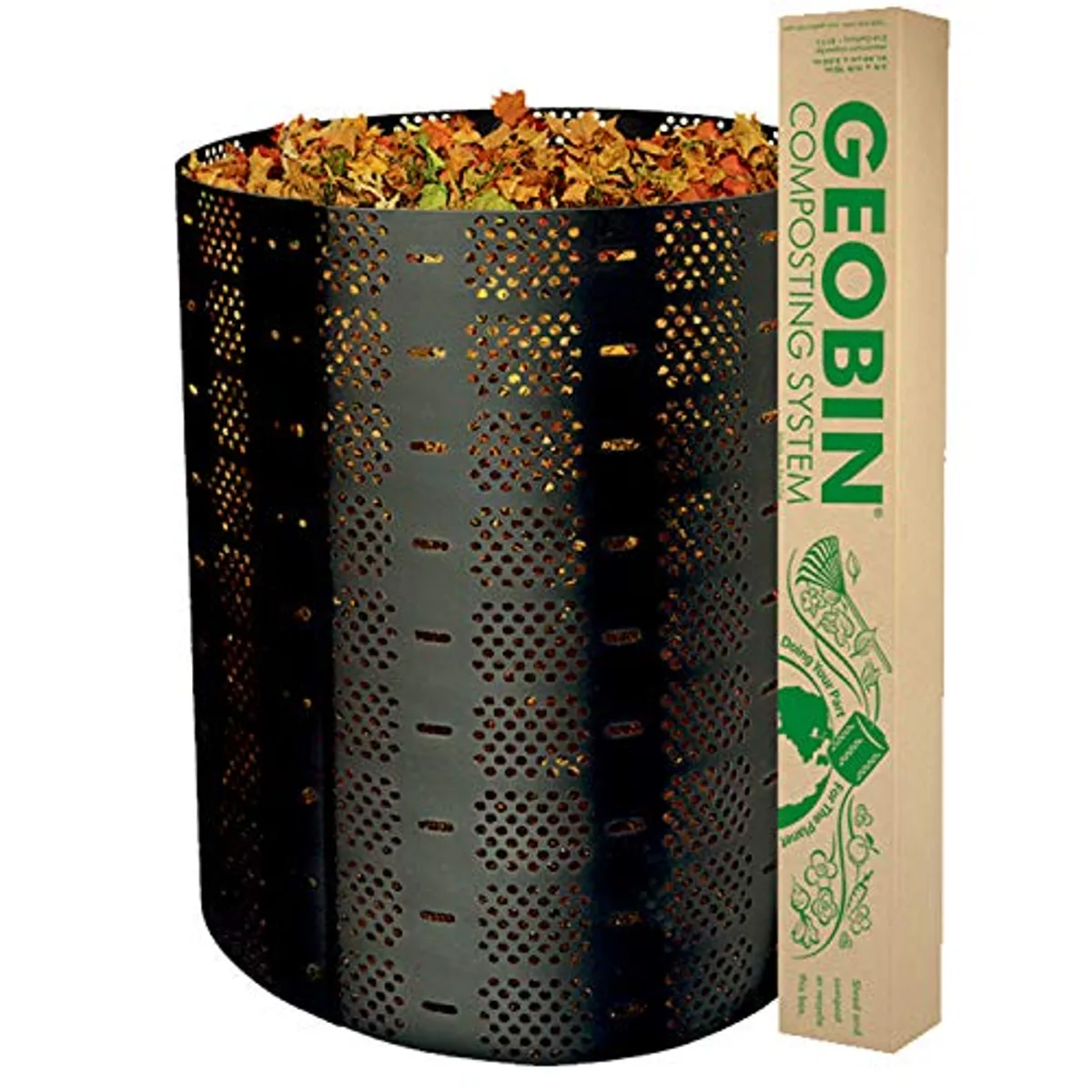
GEOBIN is the easiest beginner starting point when you have a suitable outdoor place for a large expandable bin. FCMP IM4000 is the clearer batch system, while Bokashi Living One is the simplest indoor method if you understand that fermentation needs a second step.
Quick answer
GEOBIN is the best beginner pick when you have outdoor space and want a simple static system with expandable capacity. The manufacturer describes a 246-gallon model, but the open design still needs a suitable site, browns and greens, moisture, mixing, and pest management. Its large capacity is useful, not a promise that the pile will finish quickly.
FCMP IM4000 is the better choice if you prefer two rotating batches. Bokashi Living One is the easiest indoor method to understand when you can handle bran, liquid, and follow-on curing. Envirocycle and IM2000 offer contained outdoor turning. The FCMP worm bin needs more living-system care than its small footprint suggests, and Green Johanna holds mixed material in a larger static bin. She Gardens did not test these products or claim that any setup is foolproof.
| Rank | Product | Best fit | Main drawback |
|---|---|---|---|
| 1 | GEOBIN Composter 246 Gallon | Simple outdoor starting point | Needs space and pest management |
| 2 | FCMP Outdoor IM4000 Tumbling Composter | Two rotating batches | Needs turning and a balanced mix |
| 3 | Bokashi Living One Starter Kit | Quiet indoor start | Fermented material needs a second stage |
| 4 | Envirocycle Composting Tumbler | Contained outdoor turning | Liquid handling and size check |
| 5 | FCMP Outdoor Essential Living Composter, 2-Tray | Beginner worm casting project | Needs worms and steady moisture |
| 6 | FCMP Outdoor IM2000 Tumbling Composter | Smaller outdoor batches | Fills sooner |
| 7 | Green Johanna 330 L Compost Bin | Enclosed mixed waste | More space and less portability |
The seven beginner picks
1. GEOBIN Composter 246 Gallon
GEOBIN is the most forgiving place to start if your garden has a stable outdoor location. The manufacturer lists the 246-gallon expandable model, which gives a beginner room to handle seasonal leaves and trimmings. The bin has few parts, so there is less assembly to understand.
The open static design still asks you to learn the basics. Add carbon-rich browns with nitrogen-rich greens, keep moisture reasonable, mix the material, and watch for pests. It is not sealed against every animal. Start with the input list from the current product guidance and local rules, then leave access for turning and harvest.
Pros: Simple parts and expandable outdoor capacity. Cons: Siting, moisture, mixing, and pest control are yours to manage.
2. FCMP Outdoor IM4000 Tumbling Composter
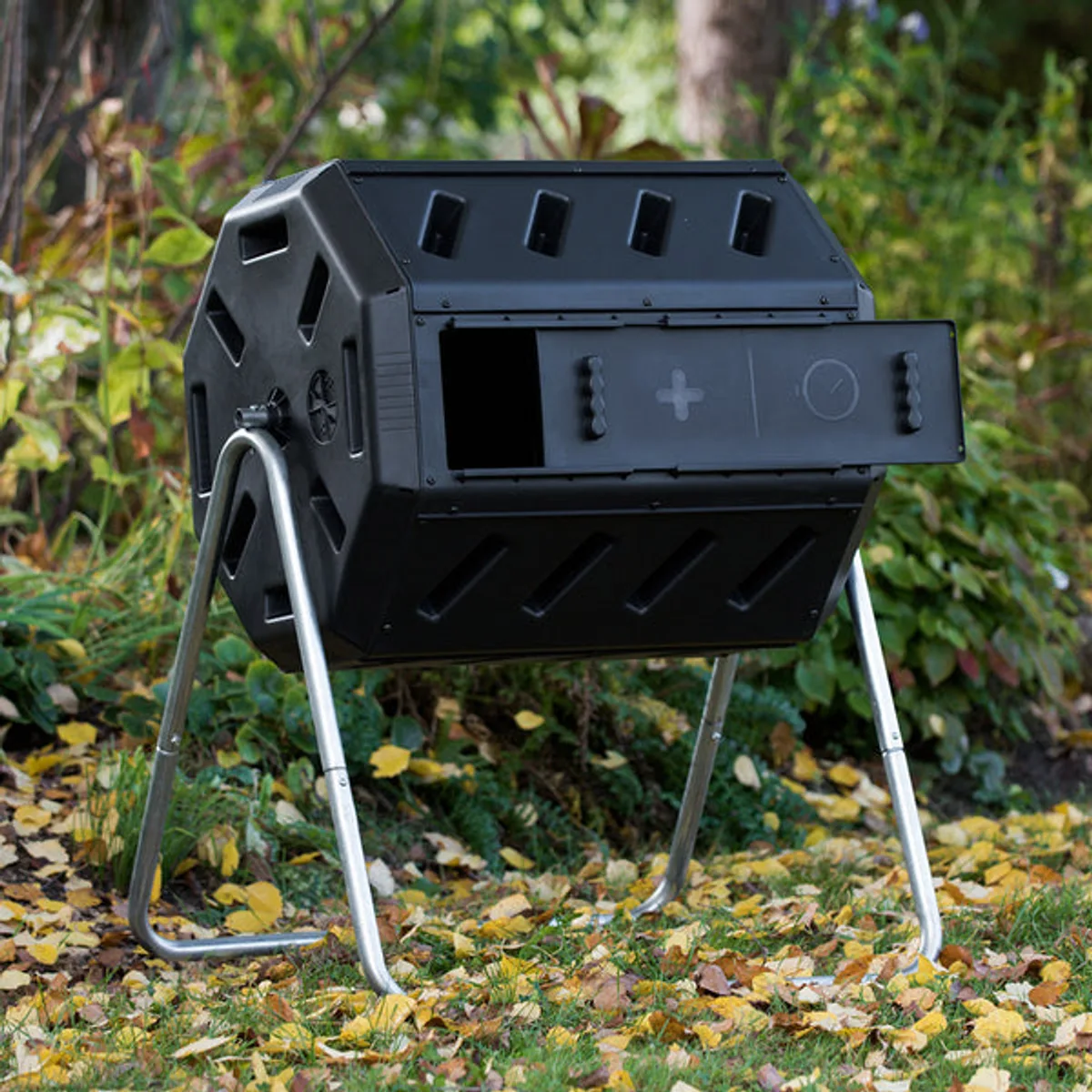
IM4000 is a good beginner pick when the idea of two batches makes the process easier to follow. FCMP lists the twin-chamber model. One side can hold a resting batch while the other receives new material, provided you keep the batches organized.
Turning is simple to understand, but a tumbler still needs the right mix and moisture. A full chamber can be heavy, and two chambers do not mean the machine accepts every food scrap. Keep pet waste, diseased plants, and prohibited inputs out under the current instructions. Place it where the lid and drum are easy to reach.
Pros: Two chambers and a visible turning routine. Cons: Balance, capacity, and turning effort still matter.
3. Bokashi Living One Starter Kit
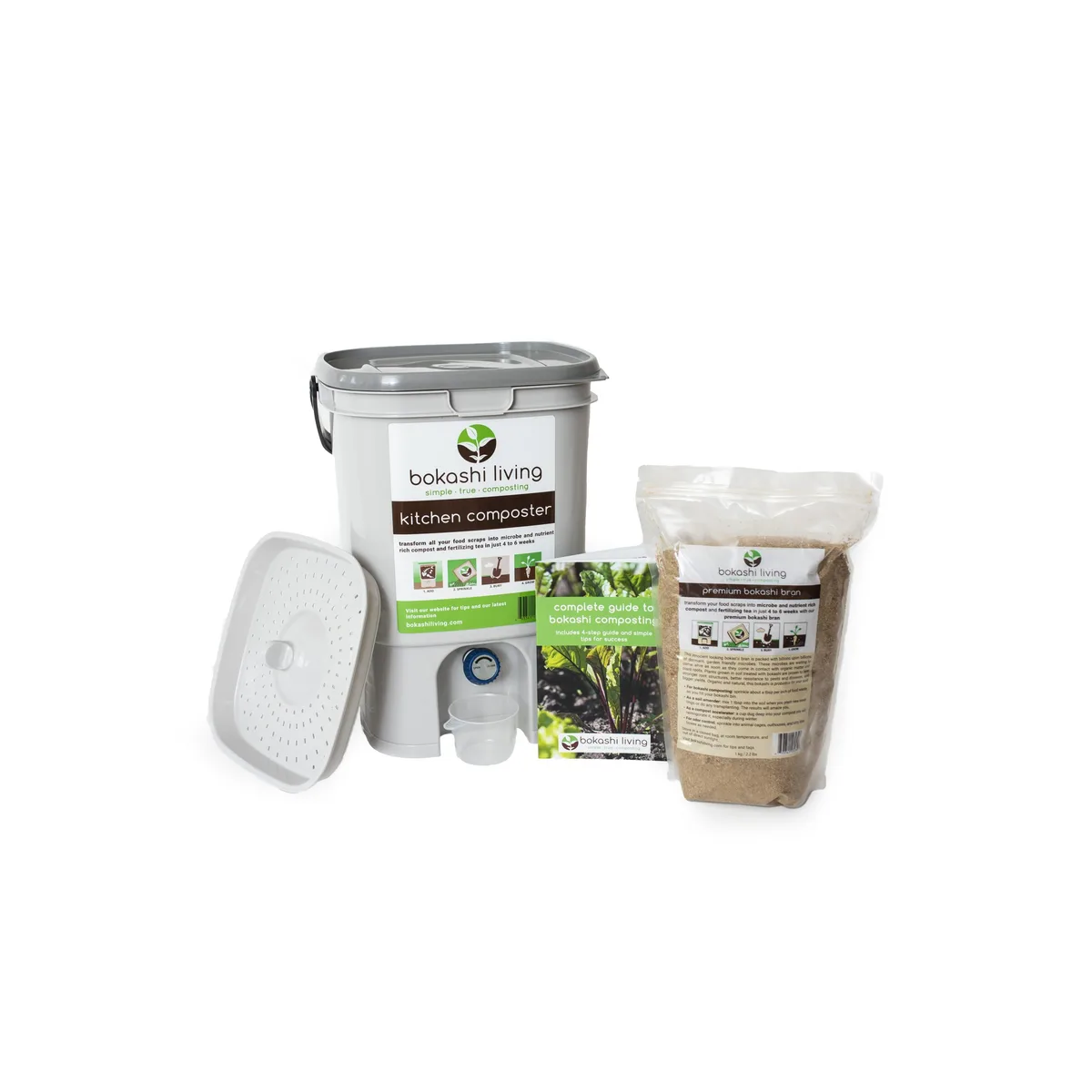
Bokashi Living One is the beginner indoor choice when you want a sealed bucket and can plan the follow-on stage. The manufacturer provides the kit information, and Oregon State Extension gives general composting context. The method uses bran and fermentation.
The common beginner mistake is calling the bucket contents finished compost. Fermented material normally needs burial or a second curing or soil step. Learn to manage the liquid, seal the bucket, and check the current input rules before adding meat, dairy, or cooked food. The second stage should be part of your setup plan, not an afterthought.
Check the Bokashi Living One kit
Pros: Quiet and compact with a clear bucket routine. Cons: Bran, leachate, and follow-on curing make it a two-stage method.
4. Envirocycle Composting Tumbler
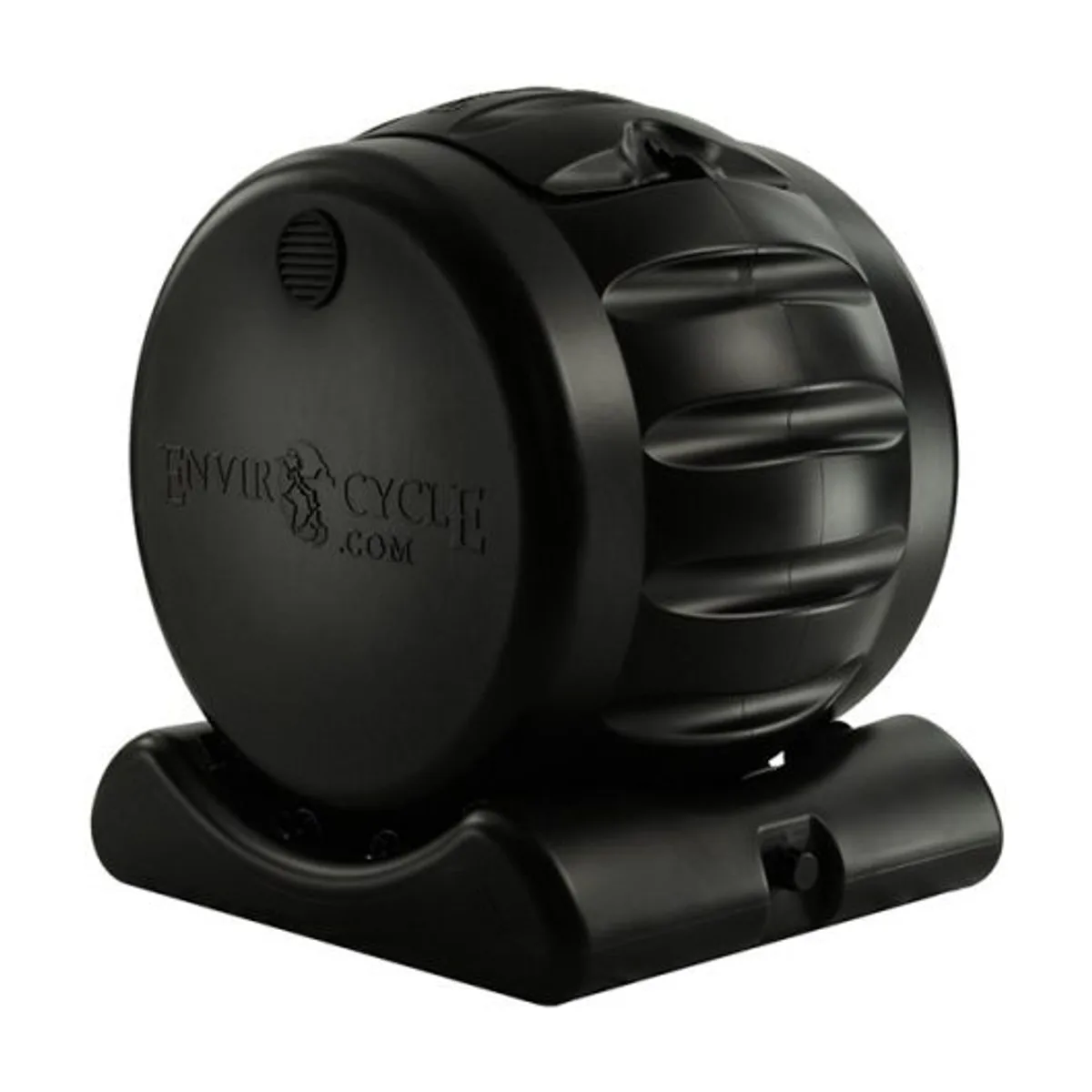
Envirocycle Classic suits a beginner who wants an enclosed tumbler and a defined turning action. The manufacturer describes its composting tumbler and liquid collection features. Confirm the current size and input instructions for the exact configuration you buy.
Liquid collection is an extra thing to learn. Manage it as the manufacturer directs, and do not call it fertilizer without evidence. Keep children and pets away from a moving or tipped unit. A contained drum can feel easier than an open pile, but its usable capacity is smaller than a large static bin.
Pros: Contained rotating format. Cons: Liquid management and size confirmation add work.
5. FCMP Outdoor Essential Living Composter, 2-Tray
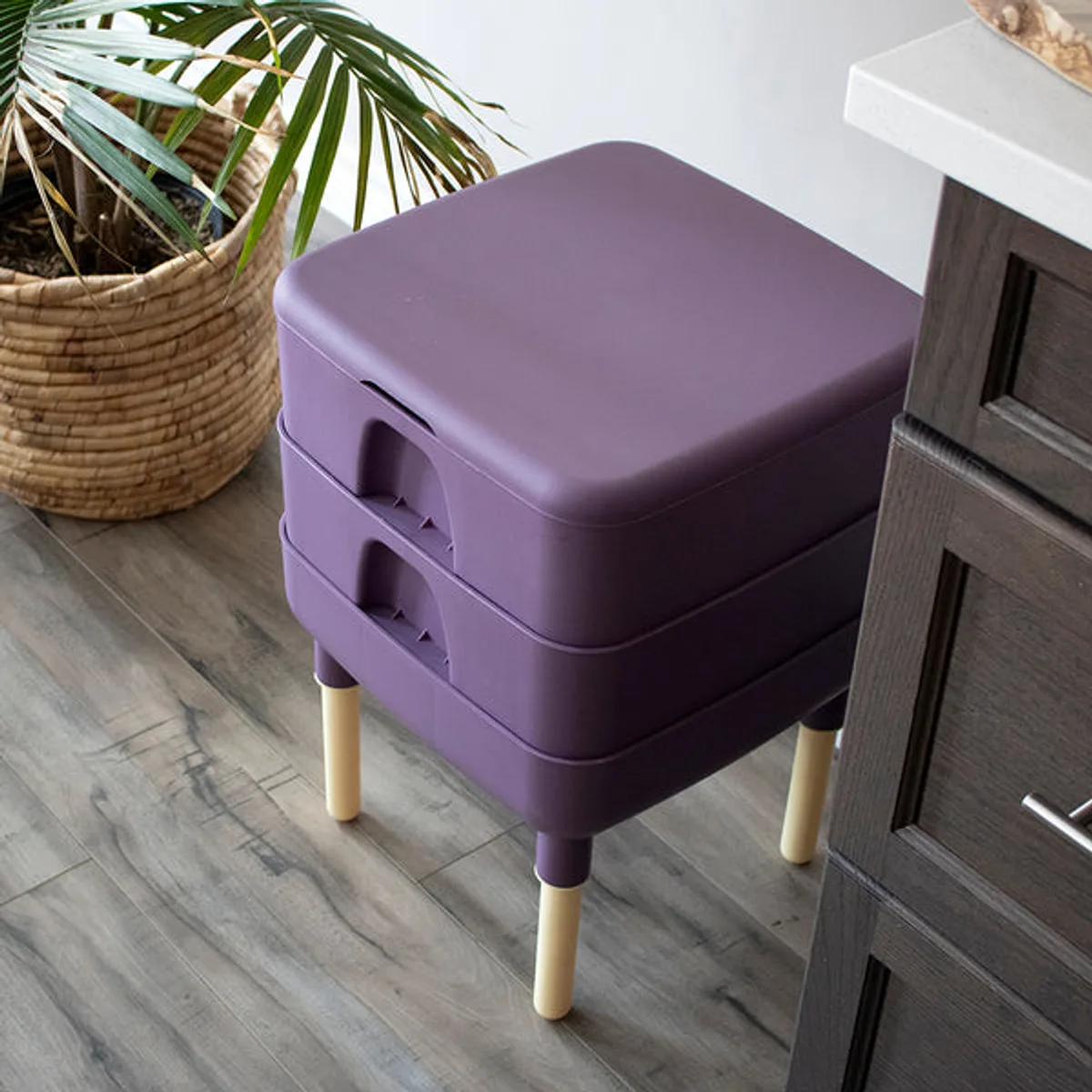
The FCMP two-tray model is a beginner project for someone who wants worm castings and is willing to care for a living system. FCMP lists the Essential Living Composter, while Oregon State Extension covers bedding, moisture, and feeding.
Start with suitable bedding and live composting worms. Feed selected scraps in controlled amounts and watch moisture. The bin does not accept all food waste, and the liquid is not automatically fertilizer. The small size makes it easier to place, but the worms create a routine that needs more attention than an empty outdoor bin.
Pros: Compact and motor-free route to worm castings. Cons: Bedding, live worms, moisture, and feeding need regular checks.
6. FCMP Outdoor IM2000 Tumbling Composter
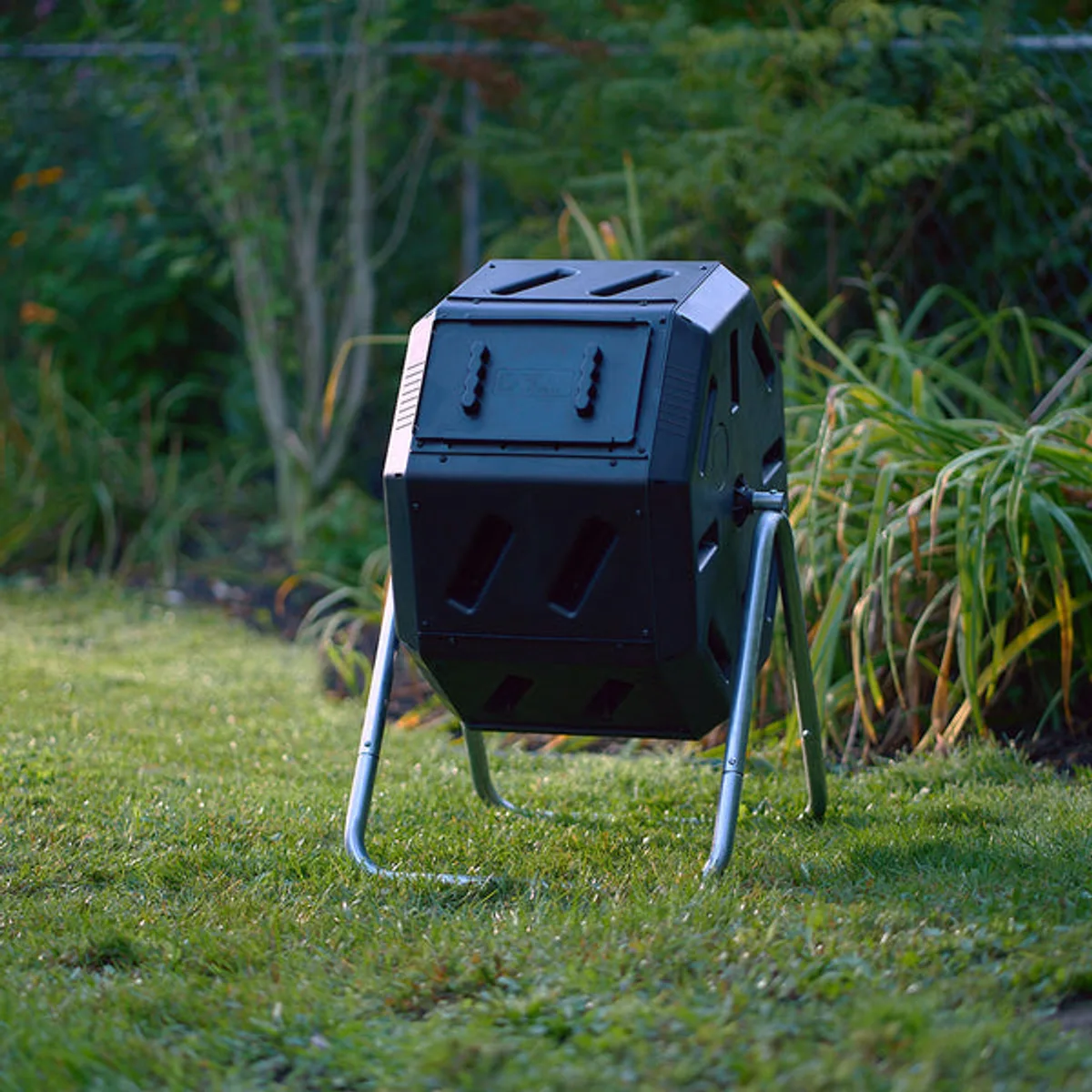
The IM2000 is the smaller outdoor tumbler for a beginner with a modest material stream. FCMP lists the exact model in its collection, and the locked record identifies the 22-gallon format. Its smaller chamber can be easier to place and turn.
The tradeoff appears when leaves arrive. A 22-gallon chamber fills sooner than a larger bin, so think about where overflow goes. Keep browns and greens in balance, maintain moisture, and use only the inputs in the current instructions. Small capacity can make a beginner’s mistakes visible sooner, which is useful if you pay attention.
Pros: Compact 22-gallon outdoor tumbler. Cons: It fills sooner and needs a plan for extra material.
7. Green Johanna 330 L Compost Bin
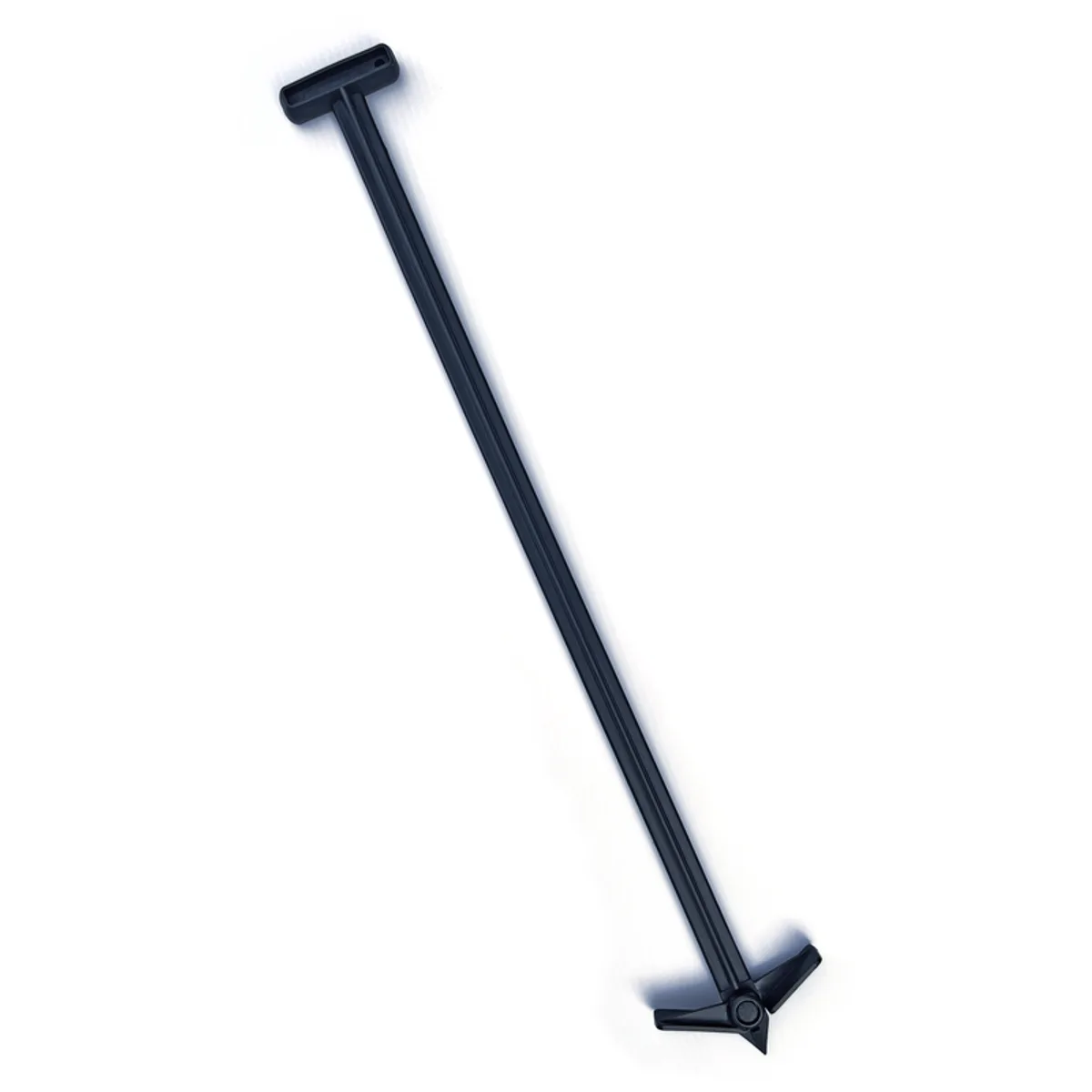
Green Johanna 330 L is the enclosed static option for a beginner who wants mixed kitchen and garden waste in one larger outdoor bin. The authorized US page lists the 330-litre model. Fit the lid, base, and ventilation parts as directed.
Its larger capacity gives you more room, but it also needs a permanent site and is less portable than a tumbler. Do not assume it accepts all cooked food or animal waste. Follow the current input rules, keep the area accessible, and plan harvest before filling it. A large bin does not remove the need for air and moisture management.
Pros: Enclosed 330-litre capacity for mixed material. Cons: It takes space and is less portable than a tumbler.
A simple beginner routine
Choose the method before you buy the container. Outdoor aerobic systems need browns, greens, air, and moisture. Tumblers add air through turning. A static bin needs mixing and a good structure. Bokashi ferments scraps. Worm bins depend on bedding and living conditions. The University of Minnesota Extension guide explains the basic compost process.
Start with allowed inputs. The EPA’s home composting guidance is useful context, but the current model manual and local rules decide what belongs in your unit. Do not assume meat, dairy, cooked food, pet waste, diseased plants, or oily food are accepted.
Watch three practical signs: moisture, air, and access. A pile that is wet and compacted needs a correction. A tumbler that cannot turn when full needs a smaller load or a different site. A worm bin that is overfed needs less food and more attention to its conditions. These are routine checks, not evidence that a product failed.
Keep the output honest. Dried food-recycler material, fermented Bokashi material, worm castings, warm hot-compost output, and finished aerobic compost are different things. Let the current directions and the material’s condition set the next step. She Gardens did not test these systems or verify a finish time.
If you are also setting up a larger outdoor area, the large-garden hose guide covers hose reach and storage. It does not confirm composter capacity or finished output.
New gardeners can pair a simple compost plan with the beginner raised-bed guide and raised-bed compost guide.
Frequently asked questions
Which composter is easiest for a first-time user?
GEOBIN is the simplest outdoor starting point when you have room for an open static bin. FCMP IM4000 is easier to organize into two rotating batches. Bokashi is the simpler indoor start only if you plan its second stage.
What is the biggest beginner mistake?
Treating all outputs and inputs as interchangeable. Dried, fermented, worm-processed, warm, and finished aerobic material need different handling. Follow the exact model instructions.
Does a tumbler make compost automatically?
No. A tumbler still needs the right mix, moisture, air, turning, and allowed inputs. Turning can help aeration, but it does not replace the composting conditions.
Should a beginner buy a large bin?
Buy for the material stream and site, not for a capacity number alone. GEOBIN and Green Johanna need outdoor room. IM2000 is easier to place but fills sooner. A large bin still needs access and management.
Recommendation
Choose GEOBIN if you have outdoor space and want the fewest parts. Choose IM4000 if two batches make the routine clearer. Bokashi Living One is the better indoor start when you accept the second curing step. Beginners do well when they choose the output route before loading the first scrap.
Sources and methodology
This guide uses the locked composter product shortlist and source registry researched on 29 August 2026. Product facts came from GEOBIN, FCMP Outdoor, Bokashi Living, Envirocycle, and Green Johanna. Method context came from the EPA, University of Minnesota Extension, and Oregon State University Extension. She Gardens did not test these products or verify finish time, odor, price, or current availability. Check the current manual, local rules, site dimensions, and input list before buying.