
Buying guide
Best plastic liners for raised garden beds: 7 barrier options
The Gardener's Supply fitted liner is the simplest match for its named bed size. Vego's PVC liner belongs with its wicking-floor system, while EPDM sheets offer flexible sizing. Use landscape fabric when drainage and soil separation matter more than a watertight barrier.
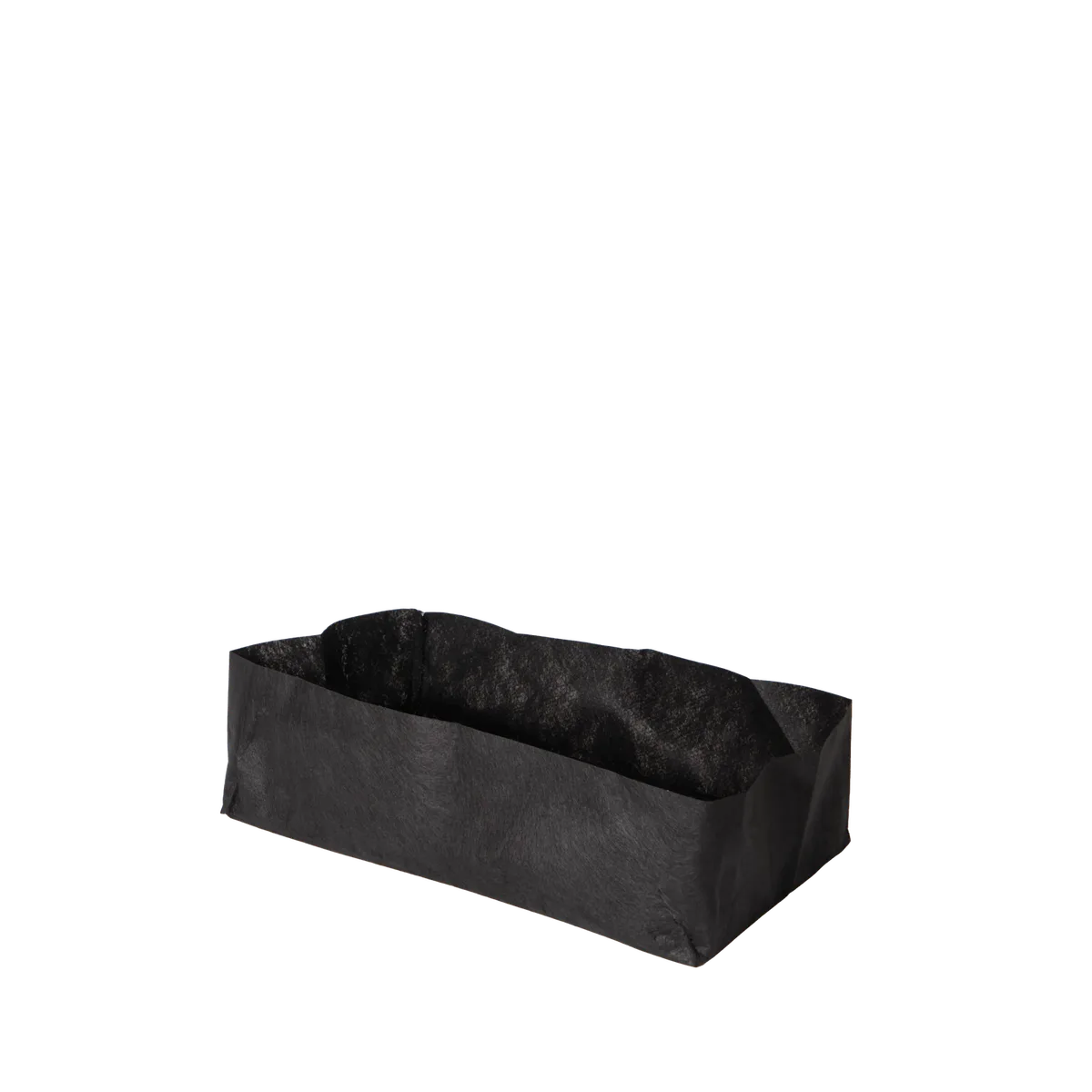
The best liner depends on what you want the barrier to do. A fitted liner is easiest when it matches the bed. A cut EPDM sheet gives you more freedom over size. A polyethylene sheet is easy to cut but needs the most cautious material check for an edible bed. Landscape fabric belongs in the list only when you want a porous barrier that separates soil from wood. It is not a waterproof liner.
She Gardens used the locked product and source records and did not install these materials. The source pool does not establish food-contact approval, UV life, chemical compatibility, or drainage performance for every product. A representative image is not a certification. Preserve the bed’s drainage design, and read the current specification for the exact material before purchase.
Quick comparison
| Rank | Liner or barrier | Best fit | Main drawback |
|---|---|---|---|
| 1 | Gardener’s Supply Raised Bed Liner, 2 x 4 ft | Matching a named bed size | Less flexible sizing |
| 2 | Vego Garden Bed Liner for 17-inch beds | Vego wicking-floor system | System-specific fit |
| 3 | Firestone PondGard EPDM Pond Liner | Flexible cut-to-fit sheet | Food-contact status not established |
| 4 | Pondmaster EPDM Pond Liner | Another EPDM sheet route | Requires support and drainage planning |
| 5 | Bootstrap Farmer Pond Liner | Multiple sheet sizes | No universal bed compatibility |
| 6 | Visqueen 6-mil polyethylene sheeting | Easy cutting and low cost | Construction sheet needs strict use check |
| 7 | DeWitt landscape fabric barrier | Porous soil separation | Does not hold water |
1. Gardener’s Supply 2 x 4 liner
This is the easiest place to start when the bed is the named 2 x 4 size. Gardener’s Supply lists a fitted raised-bed liner for that dimension. A matching component avoids the measuring and cutting work of sheet material, but it does not make every bed compatible. Check the current listing and preserve the bed bottom’s drainage path. See the Gardener’s Supply product page.
Pros: Simple fit for the named bed and less cutting. Cons: Sizing is less flexible, and the locked record does not establish food-contact certification. Treat the current manufacturer page as the source for material details.
Check the current fitted liner listing
2. Vego Garden bed liner
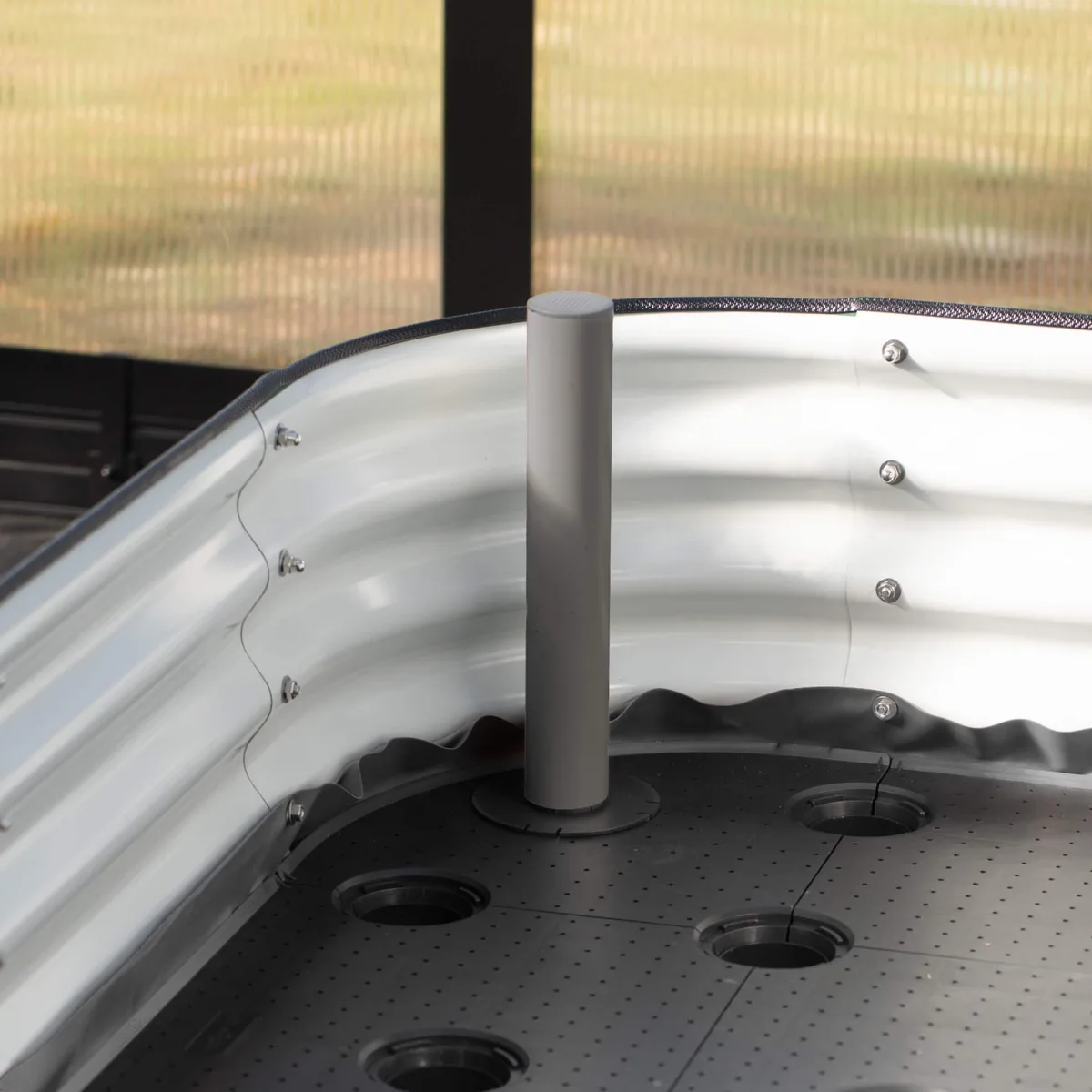
Vego’s liner is a system component, not a universal bed sheet. The official product page describes a one-fifth-inch non-toxic PVC pond liner in the wicking-floor system for listed 17-inch beds. The fit and drainage design are the reason to choose it. Do not separate the liner from the wicking-floor instructions. Read the Vego system page.
Pros: Exact system compatibility and a documented material description. Cons: It is limited to listed Vego systems, and the record does not establish that every Vego liner use is food-contact certified.
Check the current Vego liner listing
3. Firestone PondGard EPDM
PondGard is the strongest cut-to-fit option in this ranking when an EPDM sheet suits the bed design. Firestone documents PondGard as pond-liner material, with thickness and cut size selected for the job. That product category does not answer the food-contact question. Use the Firestone documentation for the current specification and keep drainage openings clear.
Pros: Flexible sheet format and more control over fit than a pre-sized liner. Cons: Cutting and supporting the sheet takes care, and food-contact status was not established in the locked research.
Check the current PondGard listing
4. Pondmaster EPDM liner
Pondmaster provides another EPDM pond-liner route. The manufacturer product range identifies EPDM sheets, while exact size and thickness come from the current listing. It belongs in a raised bed only after you have decided how the barrier will be supported and how excess water will leave. See the Pondmaster range.
Pros: Flexible sheet material and selectable dimensions. Cons: It is not a fitted bed liner, and the record verifies no food-contact claim.
Check the current Pondmaster listing
5. Bootstrap Farmer pond liner
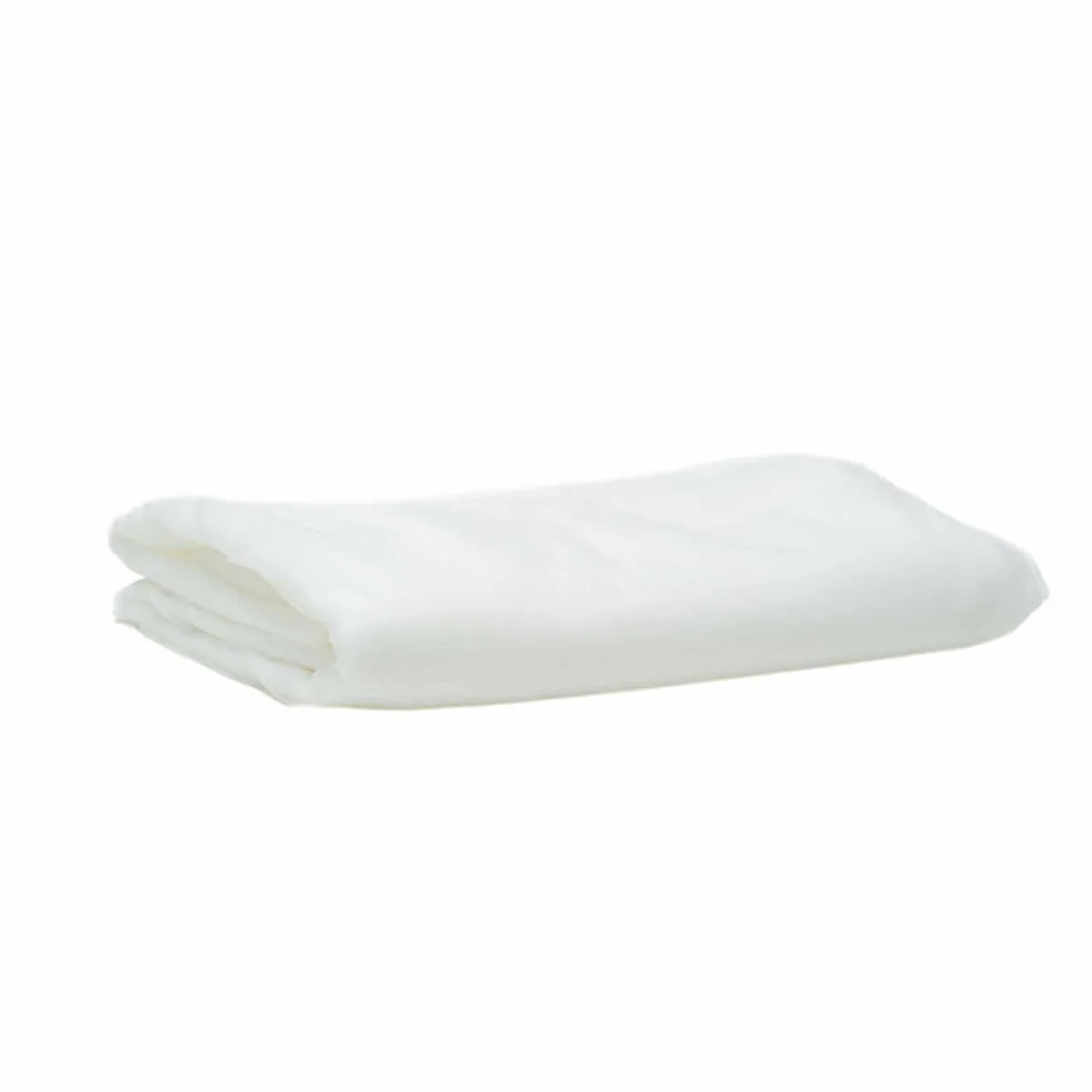
Bootstrap Farmer’s pond-liner collection is useful when sheet size is the main constraint. The current material and cut size must be selected at order. The retailer’s garden audience does not change the basic rule: pond use is not proof of food-contact approval. Check the collection and your bed’s drainage plan.
Pros: Multiple sheet options from a garden-oriented retailer. Cons: Cut-to-fit work remains, and compatibility and food-contact status are not universal.
Check the current Bootstrap Farmer listing
6. Visqueen 6-mil polyethylene
Visqueen is the construction-sheet option. The manufacturer identifies polyethylene sheeting, and the locked variant is six mil with roll width and length chosen from retailer stock. It is easy to cut, but that convenience is not a material-safety answer. Read the Visqueen product range and keep it away from crops unless the intended use is documented.
Pros: Easy to cut and commonly sold in roll form. Cons: The locked record gives no food-contact documentation, and the wrong installation can interfere with drainage.
Check the current Visqueen listing
7. DeWitt landscape fabric

DeWitt landscape fabric is the honest choice when you need porous separation between soil and a wood wall. It is not a plastic waterproof liner. The selected product’s weight and roll size must be checked from the current range, and the fabric should be used only where preserving drainage is the goal. See the DeWitt source.
Pros: Keeps the barrier porous and is easy to staple or cut. Cons: It will not hold water or isolate a wall as completely as sheet material. The source does not support food-contact or waterproof claims.
Check the current DeWitt fabric listing
Liner buying criteria
Name the job before naming the material. If the bed needs a fitted insert, buy the component that matches the exact model. If the goal is wall protection while water drains through, landscape fabric may be the better category. If you need a sheet, measure the inside faces, allow enough material to reach the wall, and plan where water leaves.
For an edible bed, require a documented material claim that actually covers the intended use. Do not infer food-contact approval, UV life, drainage performance, or chemical compatibility from the words pond, garden, PVC, EPDM, or polyethylene. Keep the liner away from crop contact when the record leaves that question open.
The earlier beginner bed guide helps with the structure. The wood guide explains why the frame material and the barrier material are separate decisions. Compost comes later, once the drainage and soil plan are clear.
Frequently asked questions
What is the best liner for a raised garden bed?
Use the Gardener’s Supply liner when it matches the named 2 x 4 bed. Choose Vego’s liner for the listed Vego wicking-floor system. Choose EPDM or another sheet only after checking the exact material, fit, drainage, and intended use.
Is pond liner safe for a vegetable bed?
The locked records identify pond-liner materials but do not establish food-contact certification. Do not treat a pond-use label as a food-use claim. Check current documentation and keep crop contact out of any unsupported use.
Should a raised bed liner have holes?
Drainage must follow the bed and liner design. Do not install a barrier that traps water or close openings the system relies on. The exact instructions matter more than a universal hole pattern.
Can landscape fabric replace plastic liner?
It can replace a watertight barrier when the goal is porous soil separation. It cannot hold water or provide the same wall isolation as sheet material.
Does a liner make a wood bed last forever?
No service-life promise is supported here. A liner changes the barrier arrangement, but moisture, drainage, wood species, fasteners, and installation still matter.
Recommendation
Match Gardener’s Supply’s fitted liner to its named bed when the dimensions line up. Use Vego’s liner only as part of the listed wicking-floor system. For flexible sheet work, compare Firestone PondGard, Pondmaster, and Bootstrap Farmer by current specification. Choose DeWitt when a porous barrier is the real job, and treat Visqueen as a material requiring the strictest intended-use check.
Sources and methodology
She Gardens used the locked raised-bed shortlist and source registry researched on 29 August 2026. Manufacturer and retailer pages supplied material identity, sizes, system compatibility, and availability notes. No product-specific independent liner source was available in the locked free batch. She Gardens did not install or test these materials. Confirm the exact material, thickness, dimensions, drainage instructions, compatibility, food-contact documentation, and current stock before buying. Product images are representative local assets; image rights remain a launch check.