
Buying guide
Best composters for a garden: 7 outdoor bins and tumblers compared
FCMP IM4000 is the best starting point for a garden that benefits from two rotating chambers. Green Johanna suits mixed kitchen and garden inputs when you have room for a larger static bin, while GEOBIN gives you the most expandable capacity in this locked pool.
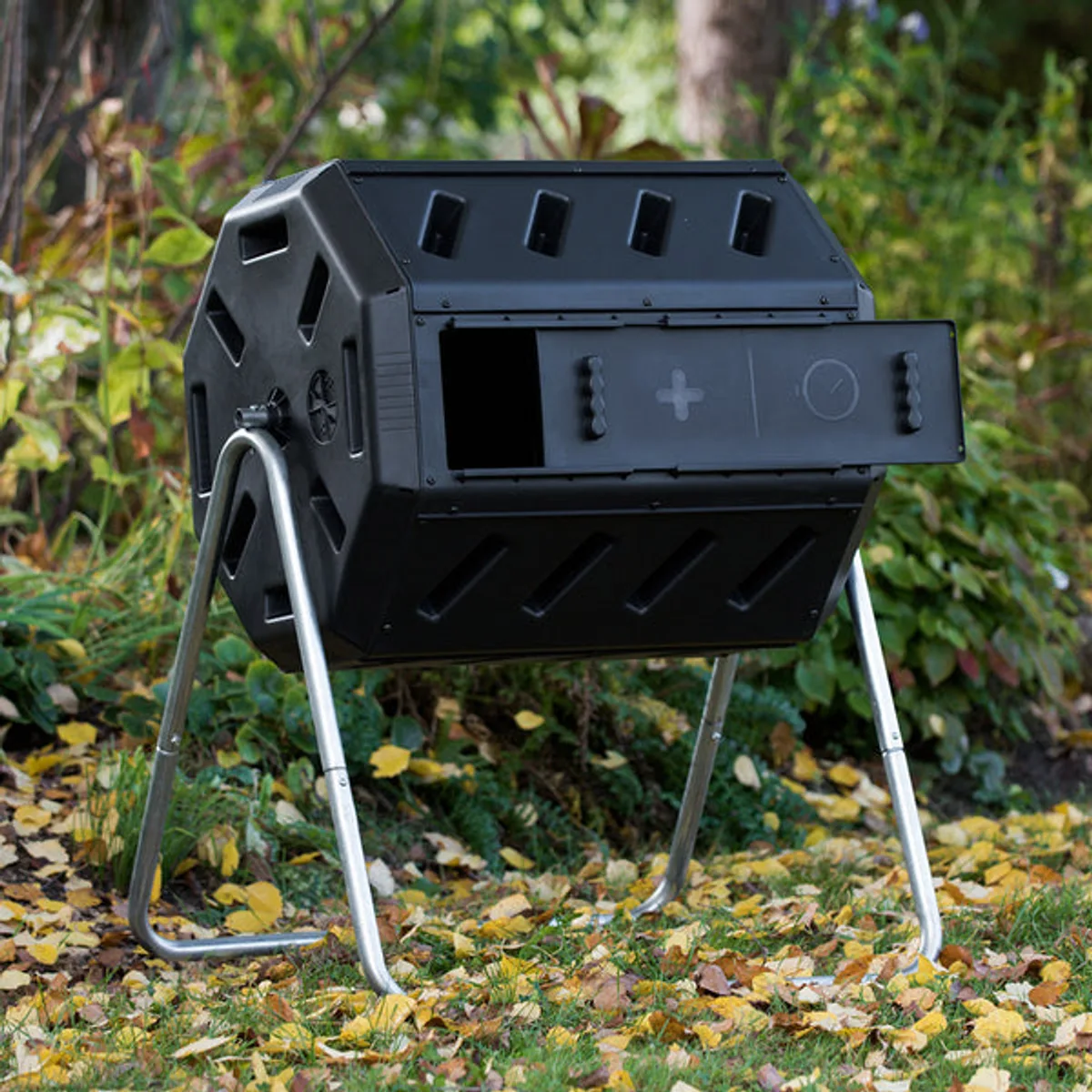
Quick answer
The best composter for a garden needs enough room for the material you actually collect, a workable way to add air, and an output you can reach when it is ready. FCMP Outdoor IM4000 ranks first because its two-chamber tumbler makes batch rotation practical. That does not make it a hands-free system. You still need balanced green and brown inputs, moisture control, turning, and a suitable place to harvest.
Green Johanna 330 L is the better fit when an enclosed static bin and larger mixed-input capacity matter more than portability. GEOBIN ranks third because its expandable 246-gallon format can absorb a lot of garden material, but its open design asks more of you on siting and pest management. She Gardens did not test these products or verify finished-compost timing. Read the current manual and local rules before adding food, animal waste, or diseased plants.
| Rank | Product | Best fit | Main drawback |
|---|---|---|---|
| 1 | FCMP Outdoor IM4000 Tumbling Composter | Two-batch garden workflow | Turning and capacity limits |
| 2 | Green Johanna 330 L Compost Bin | Enclosed mixed garden waste | Needs more space and is less portable |
| 3 | GEOBIN Composter 246 Gallon | Expandable capacity | More pest management |
| 4 | Envirocycle Composting Tumbler | Compact tumbler with liquid collection | Liquid needs management |
| 5 | Jora JK270 Tumbler | Insulated active turning | Larger and costlier than a basic bin |
| 6 | FCMP Outdoor IM2000 Tumbling Composter | Smaller garden batches | Fills sooner |
| 7 | Lifetime Rotating Composter 80 Gallon (60058) | Large enclosed rotating batch | Needs space and costs more than a basic bin |
The seven garden picks
1. FCMP Outdoor IM4000 Tumbling Composter
IM4000 is the most practical first look for a garden that produces material in batches. FCMP lists the model in its composter collection. Its two chambers let one side finish while the other receives new material, at least when your loading and turning routine keeps those batches separate.
The tumbler still needs air, moisture, and carbon-rich browns. A full chamber can be awkward to turn, and a dual-chamber design does not have the capacity of a large static bin. Keep prohibited inputs out according to the current instructions, especially pet waste, diseased plants, or food the model does not list.
Pros: Two chambers and a straightforward rotating workflow. Cons: Batch volume and turning effort limit what it can handle.
2. Green Johanna 330 L Compost Bin
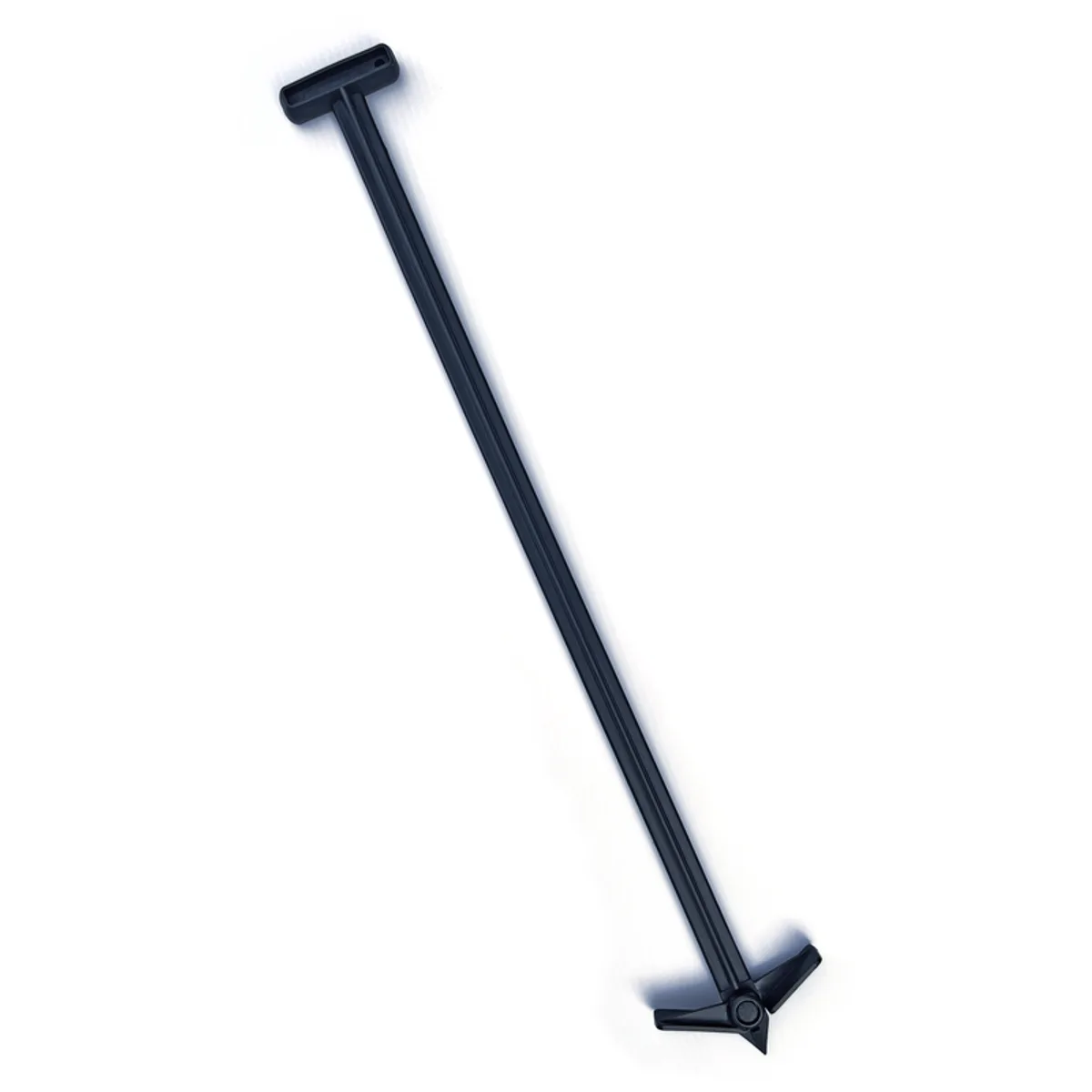
Green Johanna 330 L is the garden choice when an enclosed static bin suits your material better than a tumbler. The authorized US product page describes the 330-litre Green Johanna for mixed kitchen and garden waste under its current instructions.
Its size and static shape make it less portable than a small tumbler. Put it where you can add material, check the lid and base, and remove compost without carrying it across the yard. Do not assume the bin handles all cooked food or animal waste. Follow the current accepted-input rules.
Pros: Enclosed 330-litre format and mixed-input potential. Cons: It takes space and does not move easily once placed.
3. GEOBIN Composter 246 Gallon
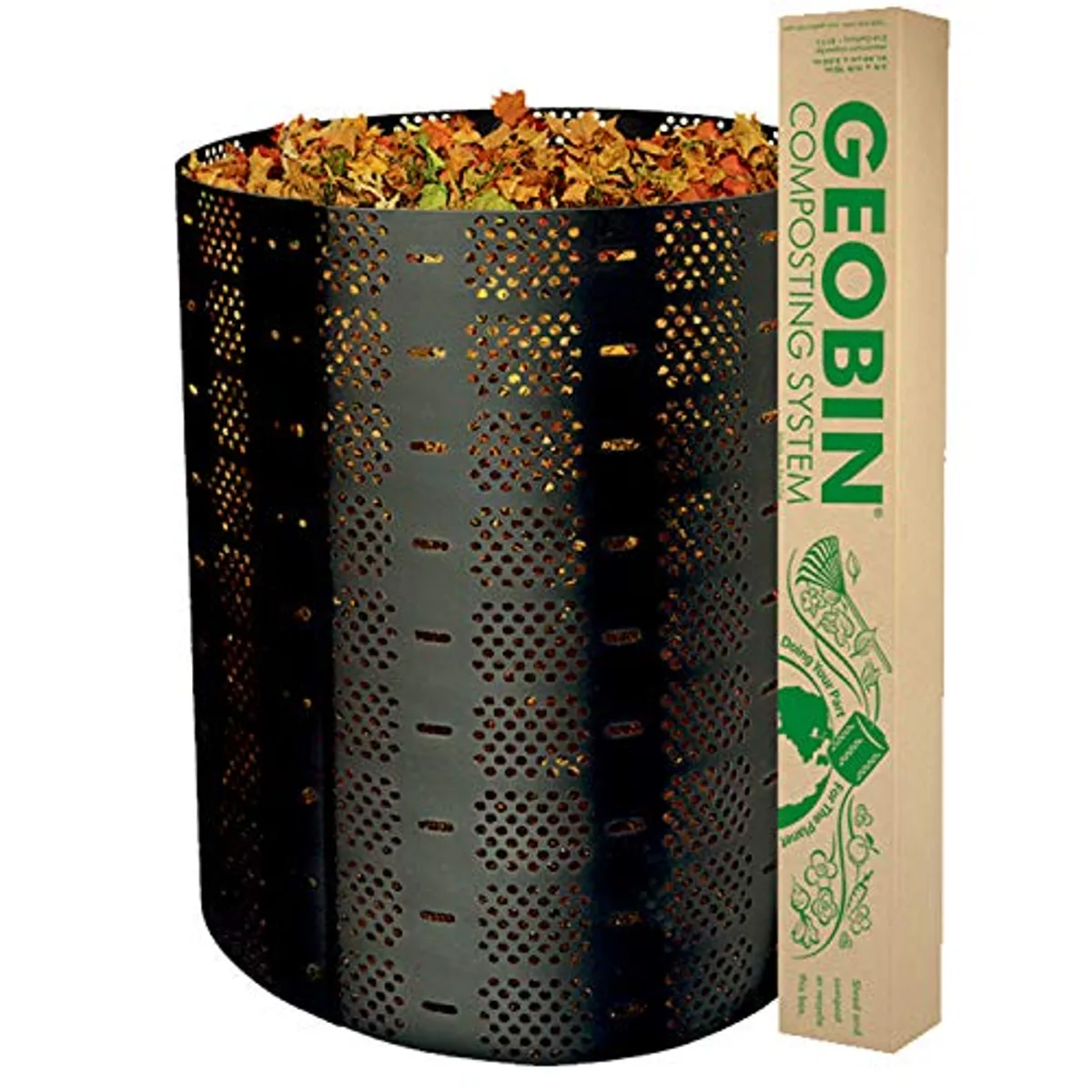
GEOBIN is the capacity pick. The manufacturer lists an expandable 246-gallon black bin on its official site. That amount of room can suit a garden with leaves, trimmings, and kitchen scraps, provided the site has the space and you can manage the pile.
The open static format is the tradeoff. GEOBIN is not sealed against every pest, and it asks for regular mixing and moisture checks. Choose a firm outdoor location with workable access. Follow local rules for food waste, and use the current guidance for browns, greens, and material that should stay out.
Pros: Expandable capacity with few parts. Cons: The large open bin needs good siting and more pest attention.
4. Envirocycle Composting Tumbler
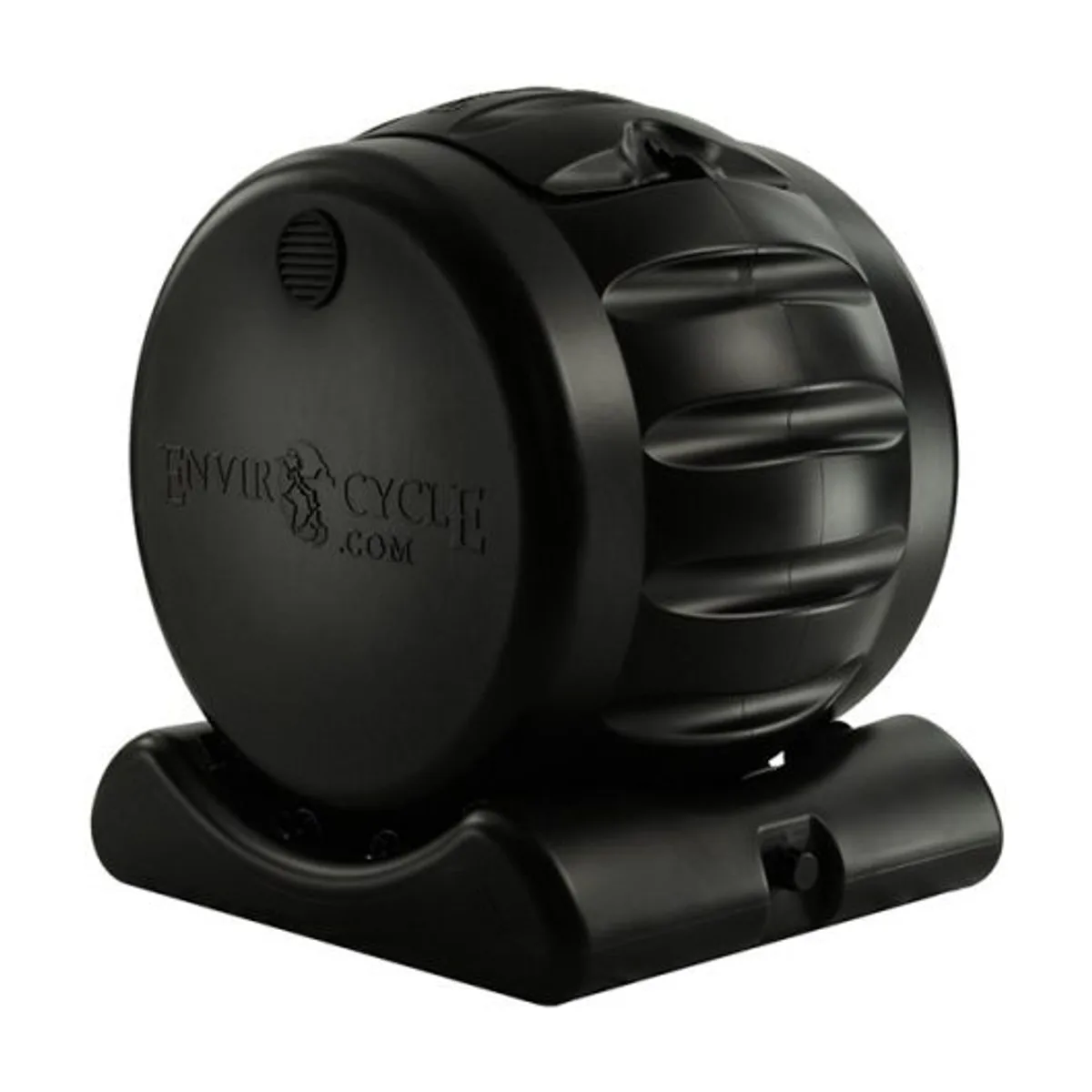
Envirocycle Classic is a compact rotating tumbler with liquid collection features described by the manufacturer on its current site. That makes it interesting for a garden where access to the unit matters and collected liquid can be managed according to the instructions.
Liquid handling is also the catch. Do not call collected liquid fertilizer without evidence. Keep pets and children away from a moving or tipped unit, and confirm the current size before ordering because the product range includes more than one configuration. Its usable capacity is smaller than many static bins.
Pros: Compact rotating format with liquid collection. Cons: Smaller usable capacity and an extra liquid-management job.
5. Jora JK270 Tumbler
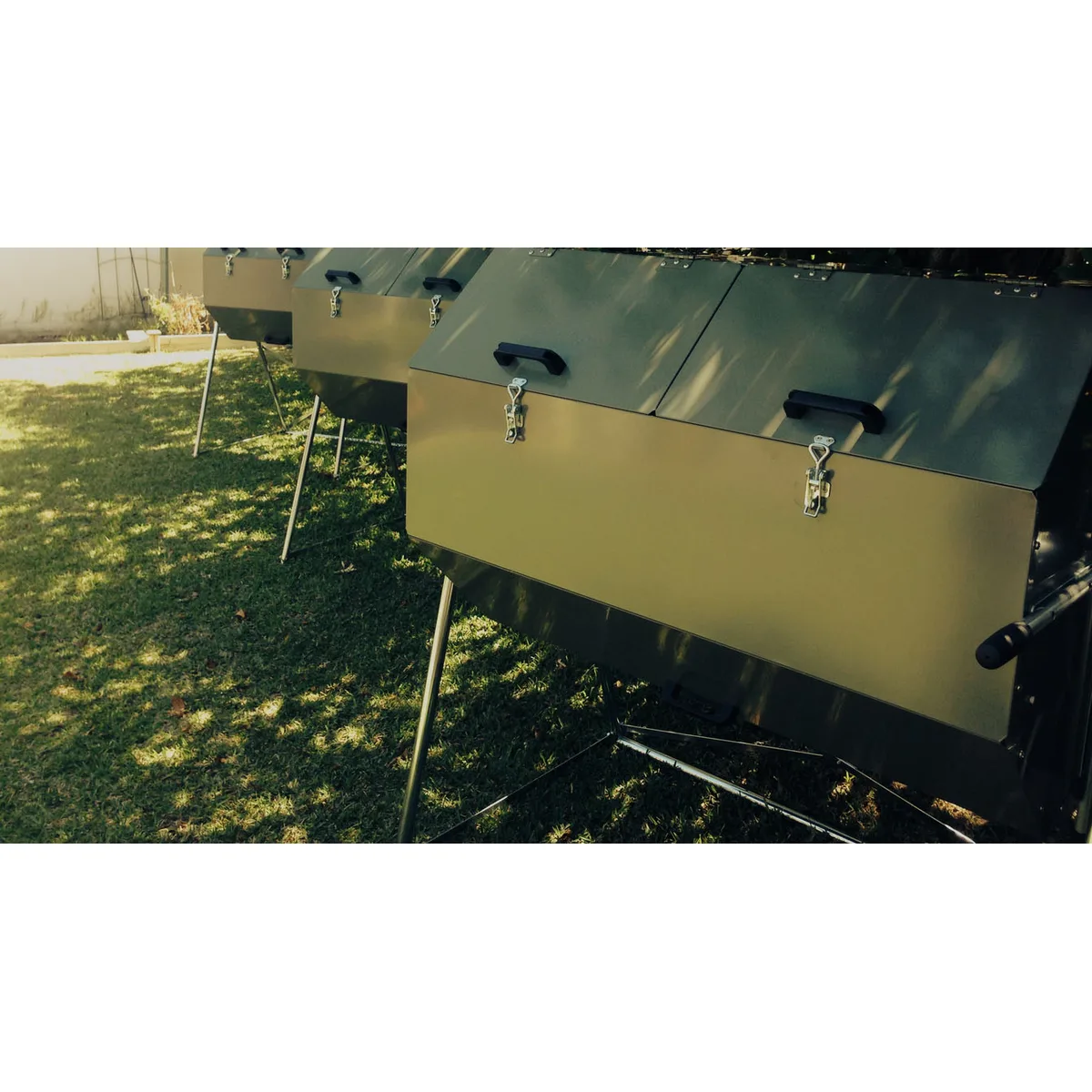
Jora JK270 fits a gardener who wants an insulated rotating unit and has room for a larger piece of equipment. Joraform describes the product family on its manufacturer site. Use the current loading, balance, stand, and placement directions for the exact model.
Insulation and turning can support active garden composting, but they do not erase the need for a workable mix. The model is larger and more expensive than a simple bin, and the locked research does not support a blanket pest-proof or hot-compost claim. Check access before delivery and leave enough space to open and turn it.
Pros: Insulated rotating design for an active garden setup. Cons: Larger footprint and higher purchase burden than a simple bin.
6. FCMP Outdoor IM2000 Tumbling Composter
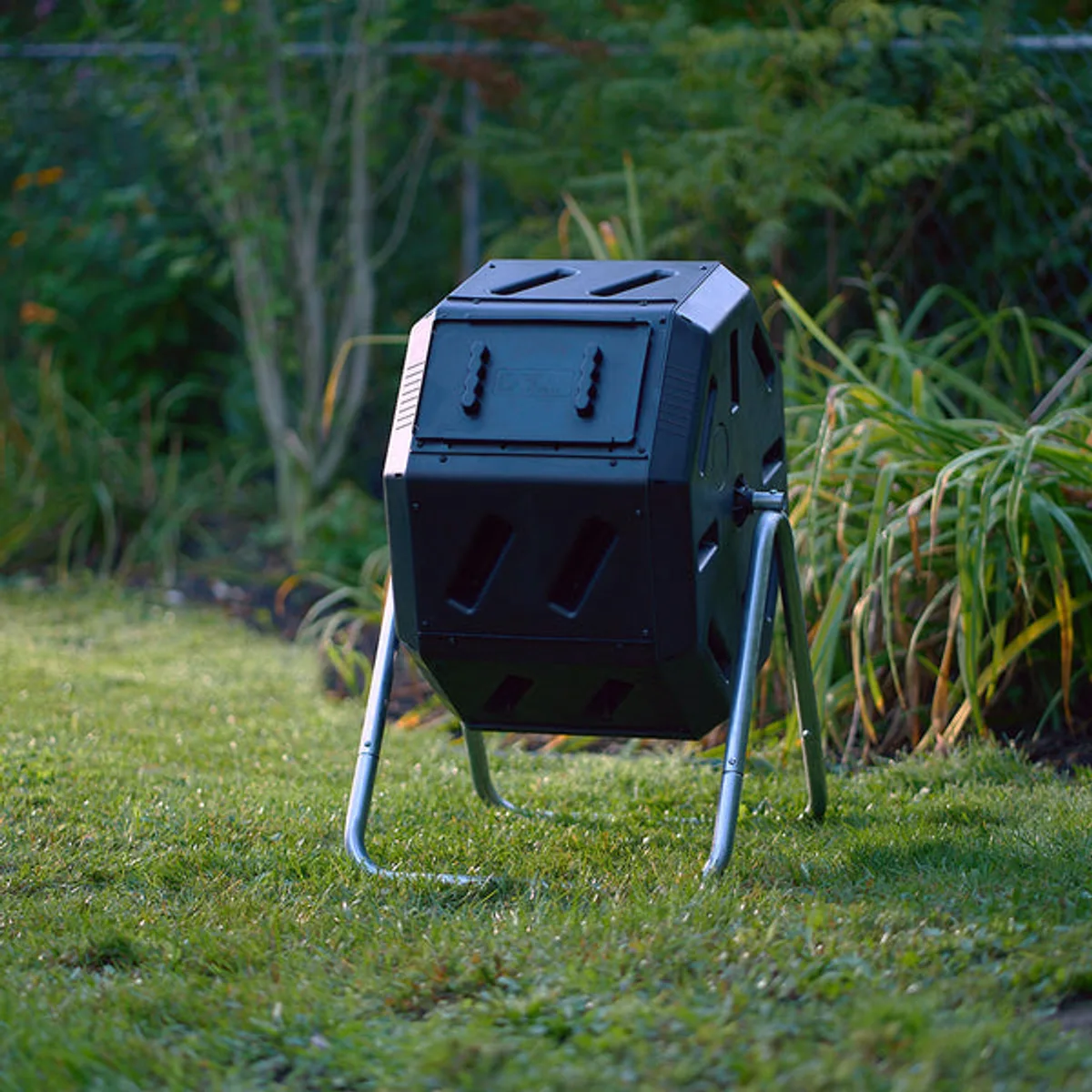
The IM2000 is the compact FCMP tumbler for a garden that produces smaller batches. FCMP lists the exact model in its collection, and the locked record identifies its 22-gallon format. That smaller chamber can be easier to place and turn than a larger unit.
Capacity is the honest limit. A modest bin fills sooner, especially during leaf season, and it cannot absorb the same volume as the IM4000 or GEOBIN. Balance browns and greens, keep moisture in range, and treat the model as an outdoor system. It is not a kitchen countertop appliance.
Pros: Smaller footprint and a 22-gallon batch size. Cons: Lower volume means more frequent emptying or overflow planning.
7. Lifetime Rotating Composter 80 Gallon (60058)
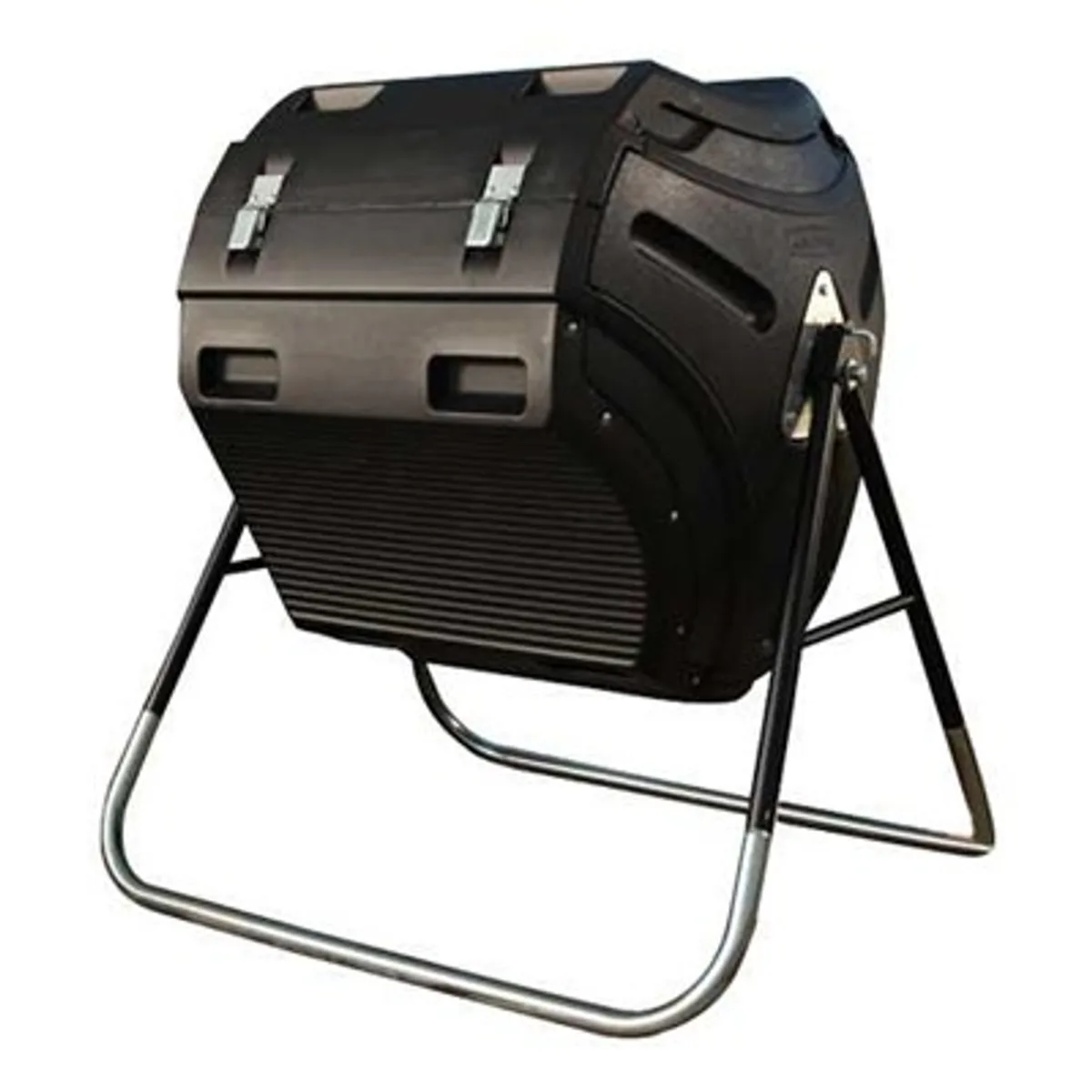
Lifetime 60058 gives you an enclosed rotating batch with an 80-gallon capacity and internal aeration bar according to the locked product record. Lifetime’s product page identifies the exact model. Keep the locking mechanism engaged while loading or unloading, and let the current manual set the input and turning routine.
The enclosure and size help with a larger garden workflow, but the unit needs more space than a small tumbler and costs more than a basic open bin. Plan the harvest route before setting it up. A rotating drum still needs the right moisture and carbon balance.
Pros: Large enclosed batch and easy turning. Cons: Space, price, and access matter before installation.
Garden buying criteria
Capacity is the first filter. A 246-gallon GEOBIN is a different tool from a 22-gallon IM2000. Estimate the material you collect in spring and fall, not only the average week. Leaves and prunings can fill a small chamber quickly. A tumbler gives you a defined batch; a static bin holds more but needs more access and pest planning.
Aeration comes next. Tumblers add air through turning. Static bins need mixing, structure, and moisture management. The University of Minnesota Extension guide explains the home-garden basics. A wet, compacted mass can smell regardless of the container name.
Siting affects the work. Put the unit near the garden waste route, but keep clearance to open the lid, rotate the chamber, or remove material. Protect children and pets from moving parts and warm material. Check drainage and local placement rules before adding food scraps.
Think about harvest. Finished compost should have a defined use, but the locked research does not give a universal finish time for any model. Do not spread warm, recognizable, or partially processed material as if it were ready compost. Let the current manufacturer and extension guidance control the final step.
For a long garden, the large-garden hose guide covers hose reach and storage. It does not validate a composter’s capacity, output, or moisture needs.
For the materials that go into a raised bed, see the raised-bed compost guide and raised-bed wood guide.
Frequently asked questions
Is a tumbler better than a static garden bin?
It depends on the material and your handling preference. A tumbler makes turning simple and keeps batches contained. A static bin can hold more material, but it needs space, access, mixing, and pest management.
What can I put in a garden composter?
Use the exact model instructions and local rules. Do not assume that meat, dairy, cooked food, pet waste, diseased plants, or all weeds belong in the unit. The locked products have different input boundaries.
Does a larger composter make compost faster?
Size alone does not set the process. Air, moisture, carbon-rich browns, nitrogen-rich greens, particle size, temperature, and handling all matter. A large bin can hold more material, but it still needs a workable mix.
Where should I place an outdoor composter?
Choose a stable location with access for loading and harvest. Check drainage, clearance, local rules, pests, children, and pets. Do not place a tumbler where you cannot safely turn or open it.
Recommendation
Start with FCMP IM4000 if two rotating batches fit your garden. Choose Green Johanna for a larger enclosed static workflow, or GEOBIN when expandable capacity matters more than pest exclusion. IM2000 suits a smaller material stream. Whichever model you buy, plan the input mix and harvest location before the first load.
Sources and methodology
This guide uses the locked composter product shortlist and source registry researched on 29 August 2026. Product facts came from FCMP Outdoor, Green Johanna, GEOBIN, Envirocycle, Joraform, and Lifetime Products. Method context came from the University of Minnesota Extension and the EPA. She Gardens did not test these products or verify a finish time, odor result, pest result, price, or current availability. Check the exact model, manual, local rules, and live seller terms before buying.