
Buying guide
Best composters for a kitchen: 7 indoor food-waste options compared
Reencle Prime is the closest match for a kitchen user who wants an appliance with microbial support. FoodCycler FC-50 is simpler if you want to dry and grind scraps, while Bokashi is the quietest low-power option when you have somewhere to bury or cure the fermented material.
Quick answer
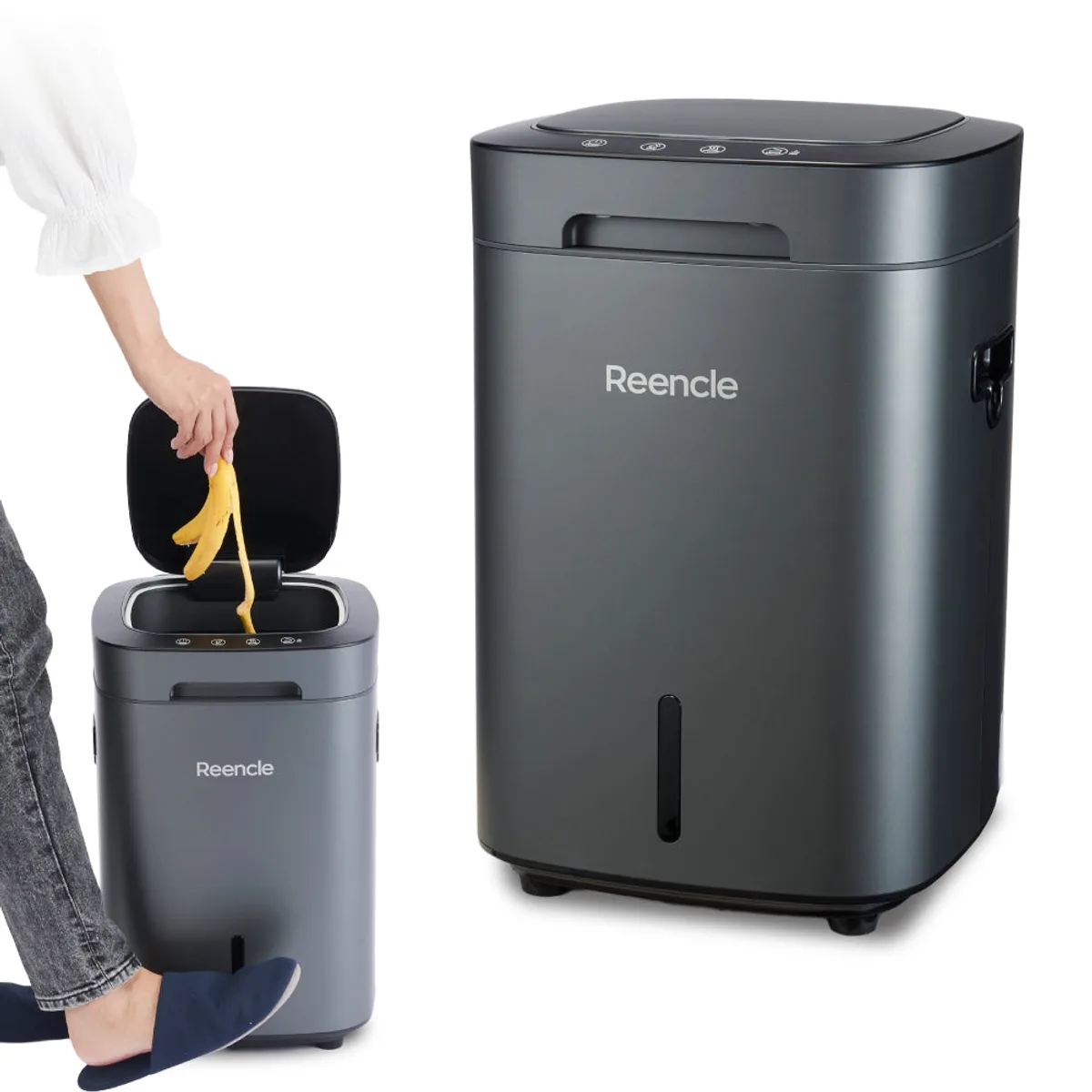
The best kitchen composter depends on what you want to do with the material afterward. Reencle Prime ranks first here because the manufacturer describes an indoor food-waste system with a microbial medium, heat, and a filter. It still needs the current input rules, ventilation, voltage check, and filter instructions. It is not a promise of odor-free operation or pathogen destruction.
FoodCycler FC-50 and Lomi 2 are electric food recyclers. They dry and grind scraps into a processed material. That material is not automatically finished compost, so plan a soil or compost pathway before buying. Bokashi Living One is quieter and uses no motor, but fermentation is only one stage. The material normally needs burial or a second curing step. She Gardens did not test these products, measure indoor emissions, or verify current stock.
| Rank | Product | Best fit | Main drawback |
|---|---|---|---|
| 1 | Reencle Prime Food Waste Composter | Appliance-style kitchen processing | Electrical setup and consumables |
| 2 | Vitamix FoodCycler FC-50 | Drying and grinding food scraps | Output still needs a pathway |
| 3 | Lomi 2 Food Recycler | Small countertop appliance | Uses electricity and needs output handling |
| 4 | Bokashi Living One Starter Kit | Quiet indoor fermentation | Needs bran and a second step |
| 5 | FCMP Outdoor Essential Living Composter, 2-Tray | Worm castings in a compact bin | Needs live worms and moisture control |
| 6 | Mill Kitchen Bin | Managed food-scrap return pathway | Service area and terms can change |
| 7 | HOTBIN Mini | Active composting in a utility or outdoor spot | Heat, balance, and ventilation matter |
The seven kitchen picks
1. Reencle Prime Food Waste Composter
Reencle Prime is the first model to check when you want an appliance rather than a bucket or open bin. Reencle describes a bio and heat hybrid system with a filter and microbial medium. That gives it a different job from a food recycler that only dries and grinds scraps. Follow the current Reencle product page for the input list, capacity guidance, filter care, and output directions.
The drawbacks are the parts that make an indoor appliance a real appliance. Confirm the 110V/60Hz US-compatible listing, leave the ventilation space the manual calls for, and budget for ongoing consumables. The locked research does not support an odor-free or pathogen-destruction claim.
Pros: Appliance-style processing with microbial support and a filter. Cons: Electrical, ventilation, voltage, and consumable checks remain your responsibility.
2. Vitamix FoodCycler FC-50
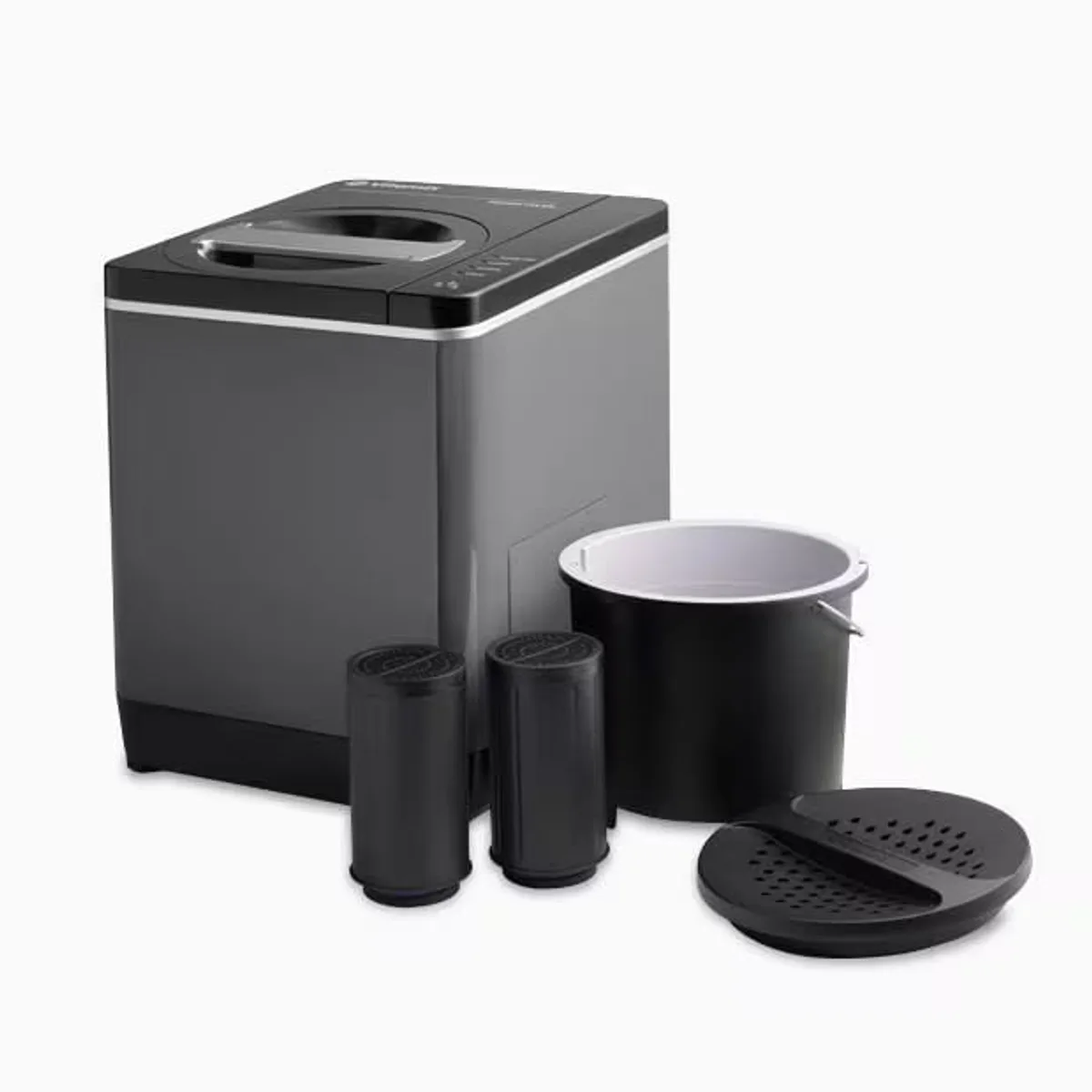
The FoodCycler FC-50 suits a kitchen that needs a countertop food-waste processor with a straightforward drying and grinding method. Vitamix lists the exact model on its product page. The manual remains the authority for accepted scraps, cycle use, cleaning, and output handling.
The output is dried and ground material, not finished compost. Put it into an appropriate compost process or soil pathway only when the current directions support that use. Heat and electricity also change where you can place it. Leave room around the unit and avoid treating the appliance as a sealed solution for all food waste.
Pros: Simple countertop drying and grinding format. Cons: It adds electricity, maintenance, hot-surface precautions, and a second output step.
3. Lomi 2 Food Recycler
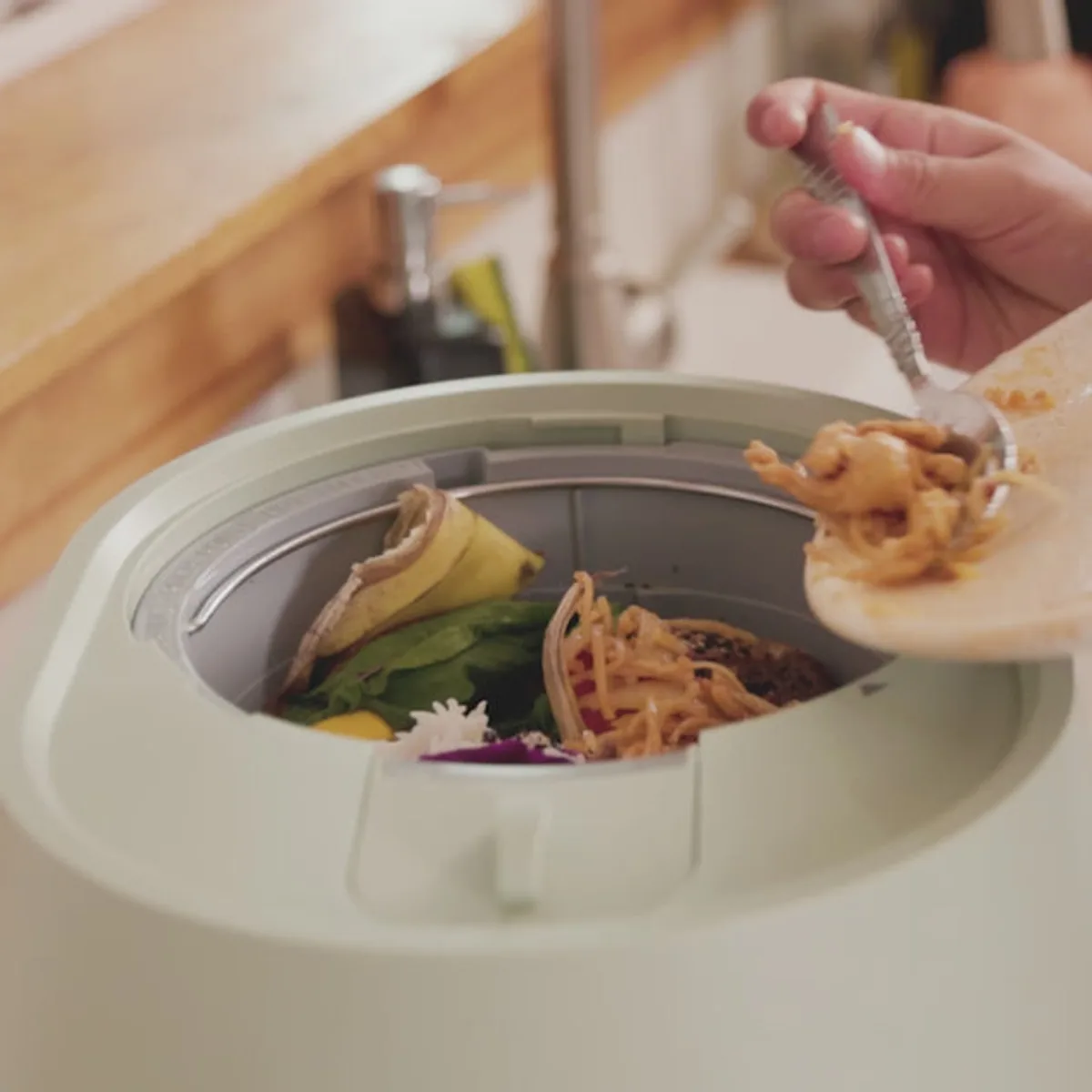
Lomi 2 is a compact choice for someone who wants to process kitchen scraps on the counter. Lomi describes electric heat, grinding, and drying on its Lomi 2 page. Use the current cycle and input rules rather than assuming that a familiar food belongs in the chamber.
The useful limit is easy to miss. A smaller, drier output is still not automatically finished compost. You need a suitable place to add it to soil or another compost process, and the manufacturer directions should control that decision. Electrical precautions, ventilation, cleaning, and the current regional shipping terms also belong on the checklist.
Pros: Small indoor footprint and simple scrap handling. Cons: Electricity is required, and the processed output still needs a responsible destination.
4. Bokashi Living One Starter Kit
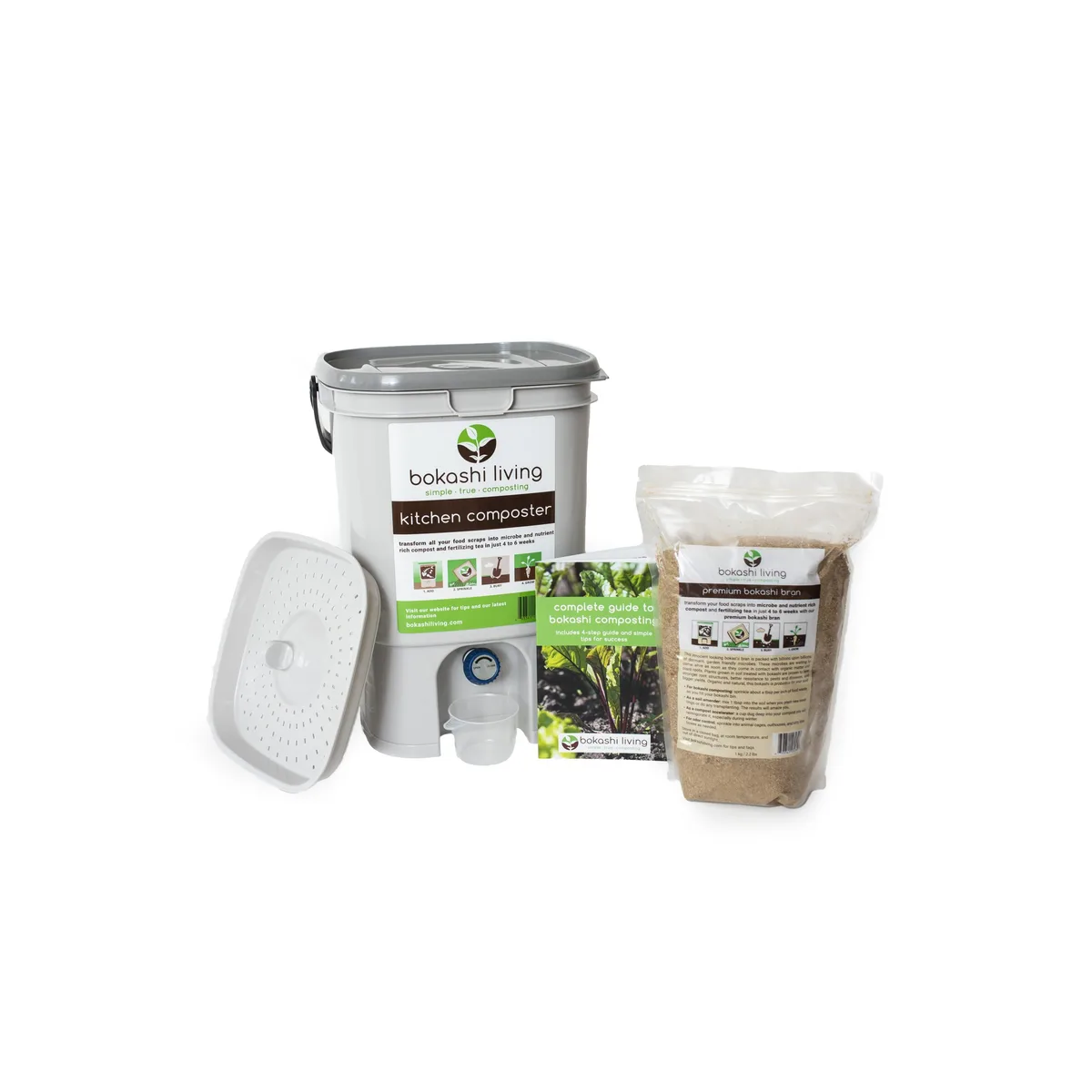
Bokashi Living One is the quietest option in this group because it relies on sealed fermentation rather than a motor. The manufacturer site describes the current kit, while Oregon State Extension and Kellogg’s indoor composting guide provide method context. Add the recommended bran, press the material as directed, and manage liquid from the spigot.
Fermented scraps are not aerobic finished compost. After the bucket stage, the material normally needs burial or a follow-on soil or compost step. That second step is the price of the small footprint. Check the current instructions before adding meat, dairy, or cooked food, and do not pour leachate onto plants as fertilizer without evidence and directions.
Check the Bokashi Living One kit
Pros: Quiet, compact, and low-power. Cons: It needs bran, liquid management, and a curing or soil stage.
5. FCMP Outdoor Essential Living Composter, 2-Tray
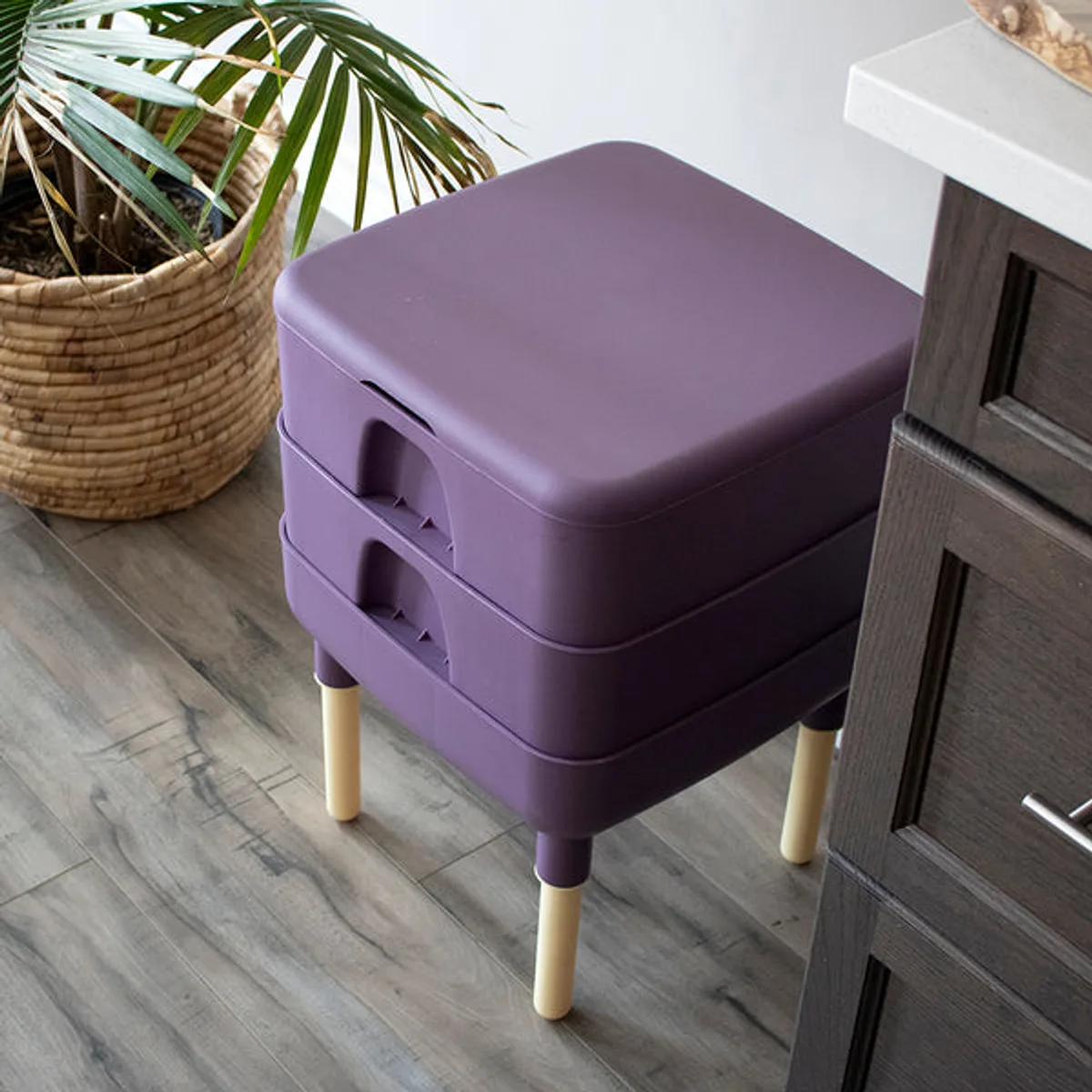
The FCMP Essential Living two-tray model is a worm bin for a kitchen, balcony, or sheltered utility area where the temperature suits the worms. FCMP lists the product in its composter collection. Oregon State Extension explains the bedding, moisture, and feeding side of vermicomposting.
This is a living system, so setup is part of the purchase. You need suitable bedding, composting worms, controlled feeding, and steady moisture. The bin does not accept all food waste by default, and collected liquid is not automatically fertilizer. Worm castings are a different output from dried food-recycler material.
Check the FCMP two-tray worm bin
Pros: No motor and a compact route to worm castings. Cons: Live worms and regular moisture and feeding checks are required.
6. Mill Kitchen Bin
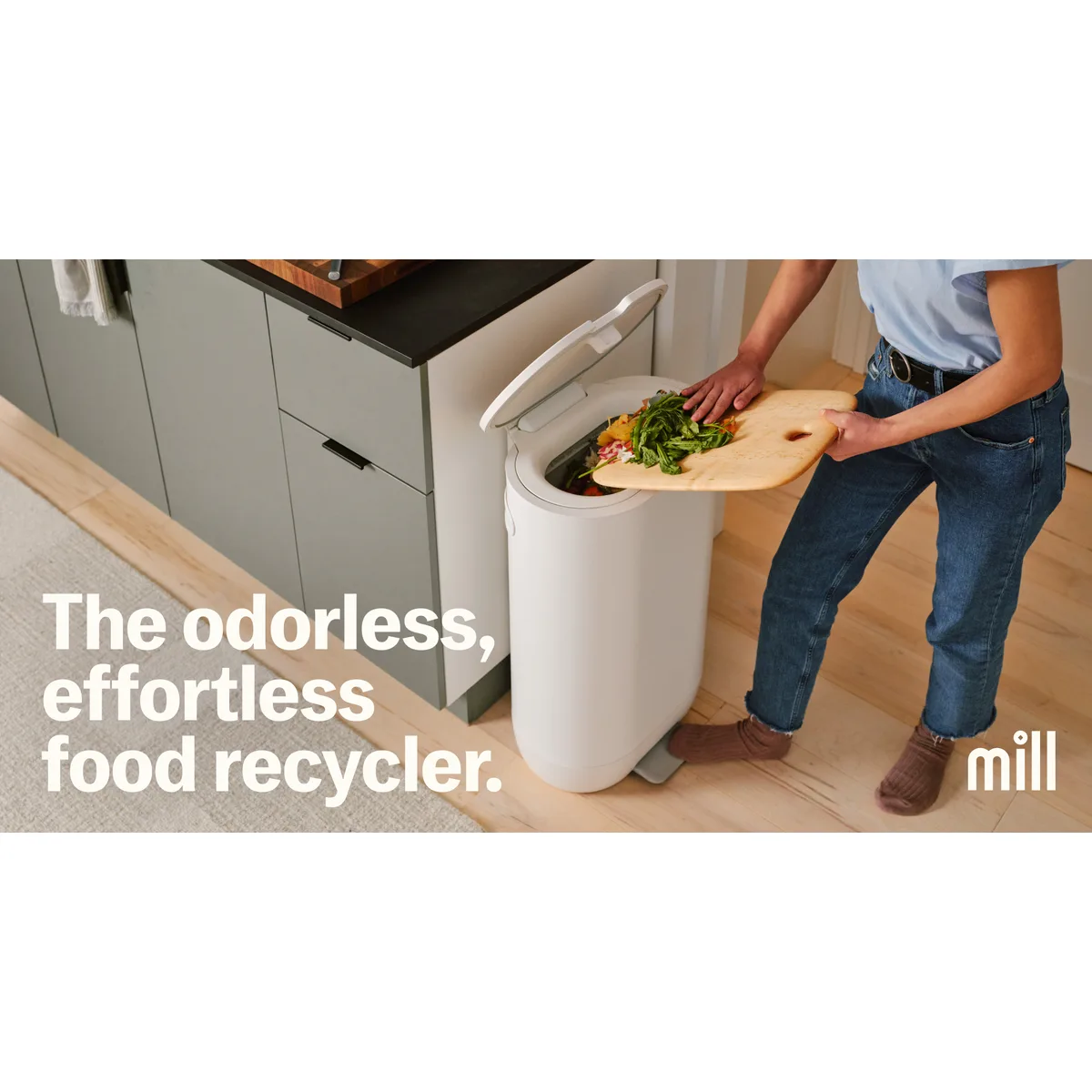
Mill Kitchen Bin fits a different kitchen problem. The manufacturer describes a food-scrap drying system with a return pathway on its current site. That can reduce the amount of material you need to handle at home, but it makes service terms part of the product decision.
Check your ZIP code, current subscription or return terms, accepted inputs, electrical details, and the way the dried material leaves your home. Those details can change. The bin does not turn its output into finished compost inside your kitchen, so do not buy it on that assumption.
Pros: A managed return pathway may reduce home output handling. Cons: Service area, ongoing terms, and accepted inputs need a current check.
7. HOTBIN Mini
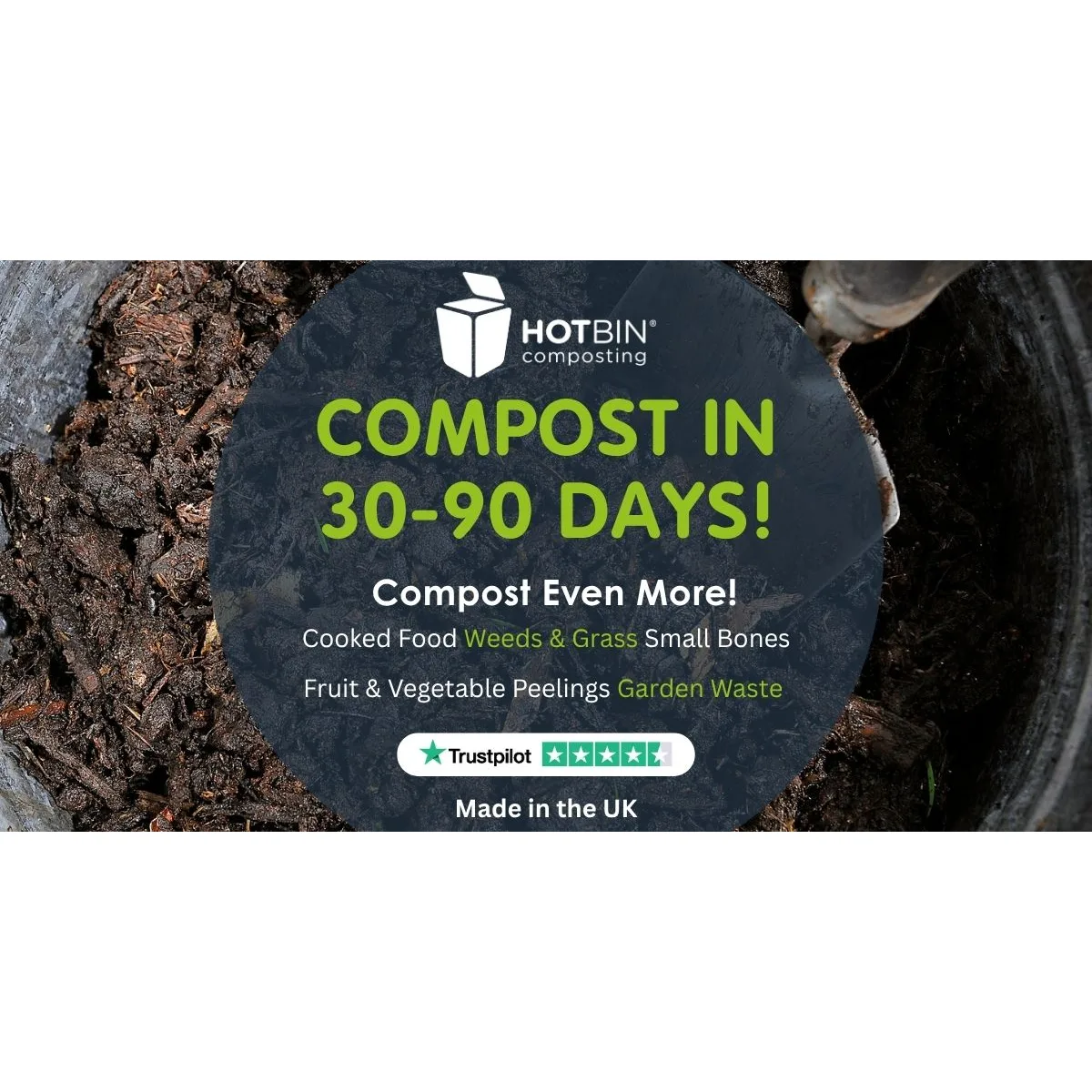
HOTBIN Mini is an insulated hot composter rather than a countertop recycler. HOTBIN describes the model on its manufacturer site, with food and garden inputs managed through its ratios and moisture directions. It belongs in a ventilated outdoor or utility location where its heat and access requirements fit.
The word “hot” is a handling warning as much as a performance description. Follow the manual for clearances and contact with warm material. Do not use a warm batch as finished compost without the curing guidance that applies to the model. It may suit a kitchen gardener with outdoor space, but it is a poor fit for a sealed apartment counter.
Pros: Active composting in a compact insulated unit. Cons: Heat, ventilation, input balance, and outdoor placement limit where it belongs.
How to choose a kitchen composter
Start with the output pathway. If you need a dry material that you can carry to an outdoor compost bin, compare Lomi 2 and FoodCycler FC-50. If you need a managed service, inspect Mill’s current ZIP-code coverage and terms. If you have soil or a second bin for curing, Bokashi becomes more practical. A worm bin produces castings, but it needs living conditions and patience.
Then check accepted inputs. The EPA’s home composting guidance is useful method context, but it does not replace the current product manual. Meat, dairy, cooked food, oily scraps, pet waste, and diseased plant material need an explicit answer before they enter a system.
Indoor limits deserve equal weight. Electric models use power and create heat. Fans, filters, damp scraps, and cleaning can affect the room even when a manufacturer provides an odor-control design. Keep appliances away from water, use the correct voltage and plug, and leave the ventilation clearance stated by the maker. A sealed Bokashi bucket avoids motor noise but creates leachate and a later curing job.
Finally, check the destination, not only the input opening. None of these picks gives a blanket promise that kitchen scraps become safe finished compost on the counter. She Gardens did not test them. Product pages, manuals, local waste rules, service areas, and live availability should get a fresh check before purchase.
If the output will feed a raised bed, compare the raised-bed compost guide and raised-bed fertilizer guide before adding anything to soil.
Frequently asked questions
Is an electric food recycler a composter?
FoodCycler FC-50 and Lomi 2 are electric food recyclers. They dry and grind scraps. Their output is not automatically finished compost, so it needs the soil or compost pathway described by the current directions.
Which kitchen option is quietest?
Bokashi Living One has no motor and uses sealed fermentation. A worm bin also has no motor, but it needs suitable bedding, live worms, moisture, and controlled feeding. Quiet operation does not remove the need for a second output step.
Can I use a kitchen composter for meat and dairy?
Do not assume that you can. Check the current manual for the exact model. The locked research specifically warns against treating accepted inputs as interchangeable across electric recyclers, Bokashi, worms, and outdoor composters.
Does kitchen composting remove odor?
No product in this guide earns a blanket odor-elimination promise. Filters, sealed buckets, bran, cleaning, ventilation, moisture, and the input mix all affect what you notice indoors. Follow the current instructions and keep a fallback waste route.
Recommendation
Choose Reencle Prime when you want an appliance with microbial support and can handle the electrical and consumable checks. Choose FoodCycler FC-50 or Lomi 2 when drying and grinding is the useful part of the routine. Choose Bokashi when quiet fermentation and a second curing step suit your home. The right kitchen composter is the one whose output already has a destination.
Sources and methodology
This guide uses the locked composter product shortlist and source registry researched on 29 August 2026. Product facts came from Reencle, Vitamix, Lomi, Bokashi Living, FCMP Outdoor, Mill, and HOTBIN Composting. Method context came from the EPA, Oregon State University Extension, and Kellogg Garden Products. She Gardens did not test these products. Check the current manual, stock, service terms, electrical details, and local waste rules before buying.