
Buying guide
Best fertilizers for raised garden beds: 7 label-first picks
Espoma Garden-tone is the clearest granular starting point because the locked record gives a 3-4-4 analysis and vegetable and herb directions. Choose Jobe's for its 2-5-3 vegetable and tomato label, Alaska for liquid 5-1-1 feeding, or FoxFarm for a documented 5-7-3 product.
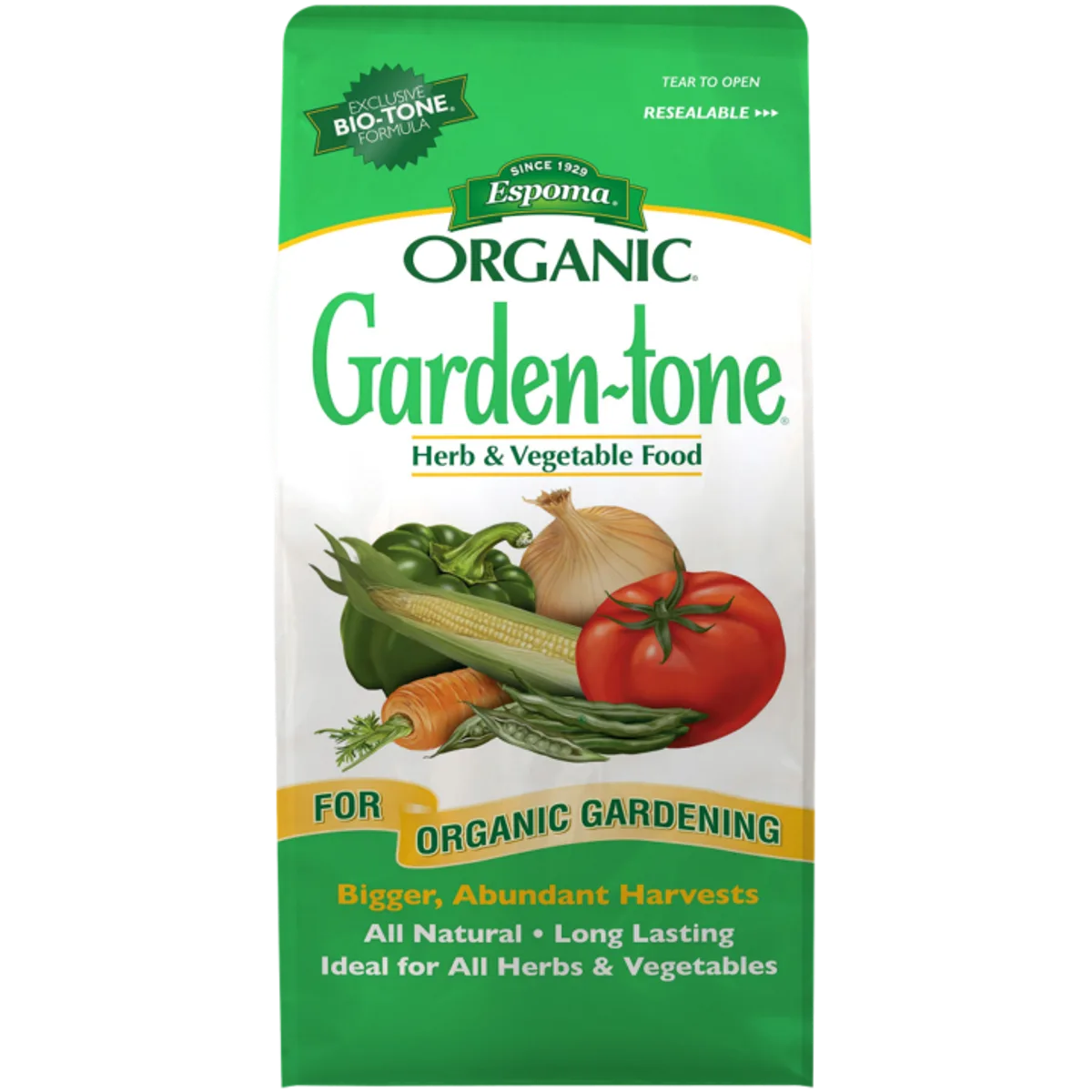
The best raised-bed fertilizer is the one whose current label matches the crop, analysis, application method, and soil plan. Espoma Garden-tone leads this list because the locked source includes a 3-4-4 guaranteed analysis and vegetable and herb directions. Jobe’s offers a documented 2-5-3 granular option. Alaska Fish Fertilizer is the liquid choice with a 5-1-1 analysis. FoxFarm supplies another crop-specific label with a 5-7-3 analysis.
Fertilizer is not compost. Compost is an amendment with a different buying decision, covered in the earlier compost guide. She Gardens used the locked product and source records and did not apply or test these products. Analysis, package size, directions, certification language, and availability must be checked on the current label.
Quick comparison
| Rank | Fertilizer | Best fit | Main drawback |
|---|---|---|---|
| 1 | Espoma Organic Garden-tone 3-4-4 | Granular vegetable and herb feeding | Slower than liquid feeding |
| 2 | Dr. Earth Home Grown Vegetable Garden Fertilizer | Vegetable-garden positioning | Analysis needs label check |
| 3 | Down to Earth Vegetable Garden Fertilizer | Vegetable-focused granular choice | Regional stock and current analysis |
| 4 | Jobe’s Organics Vegetable & Tomato Granular Fertilizer | Tomatoes and vegetables | Repeated application and odor |
| 5 | Neptune’s Harvest Fish and Seaweed Fertilizer | Measured liquid feeding | Odor and label dilution |
| 6 | Alaska Fish Fertilizer 5-1-1 | Liquid fish fertilizer | Needs dilution and smells |
| 7 | FoxFarm Happy Frog Tomato & Vegetable Fertilizer 5-7-3 | Vegetable-specific feeding | Package may be large for small beds |
1. Espoma Garden-tone 3-4-4
Garden-tone is the clearest first pick for a gardener who wants granular fertilizer and a published analysis. Espoma’s product sheet states a 3-4-4 guaranteed analysis and vegetable and herb use directions. Granular feeding is slower to apply than a liquid, but it can fit a routine where you measure once and follow the label. Read the Espoma product page and current data sheet before use.
Pros: Documented 3-4-4 analysis and crop directions. Cons: Nutrients are not instantly available like a liquid feed, and you must use the current label rather than guessing at a rate.
Check the current Garden-tone listing
2. Dr. Earth Home Grown
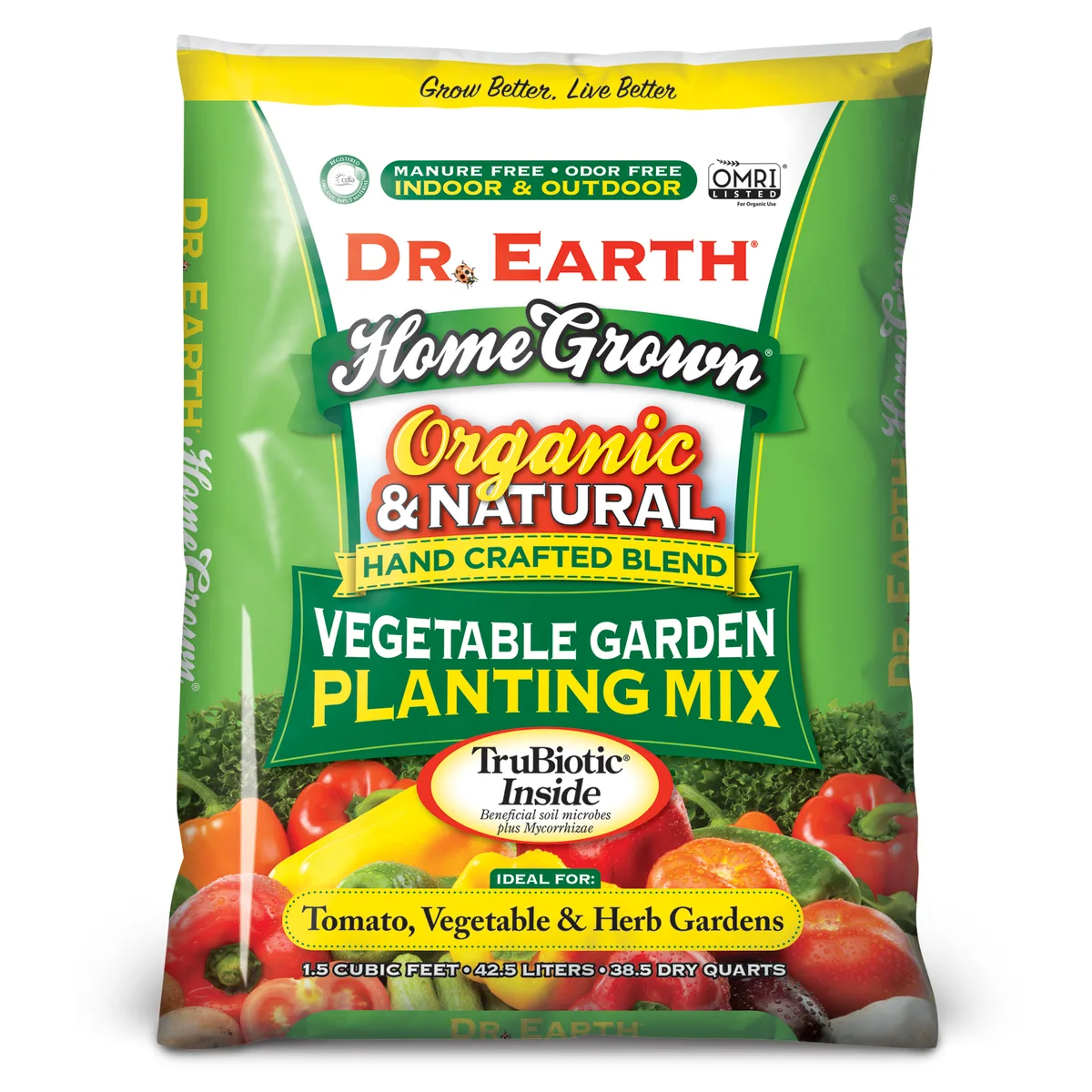
Dr. Earth positions Home Grown for vegetable gardens and publishes current label directions. That crop focus makes it a sensible second check for a mixed edible bed. The locked record does not supply a guaranteed analysis, so the current package must decide that part of the comparison. Do not add certification language that is not on the label. See the manufacturer page.
Pros: Clear vegetable-garden use and published directions. Cons: Analysis and package availability need a fresh check at purchase.
Check the current Dr. Earth listing
3. Down to Earth Vegetable Garden
Down to Earth belongs here for its direct vegetable-garden positioning and current label information. It is a reasonable fit when your local retailer carries it and the analysis matches your soil plan. The locked source does not support filling in that analysis from a similar product, so read the exact package. Start with the manufacturer page.
Pros: Vegetable-specific product family and current label reference. Cons: Regional stock can be harder to find, and the exact analysis must be checked.
Check the current Down to Earth listing
4. Jobe’s Vegetable & Tomato granular fertilizer
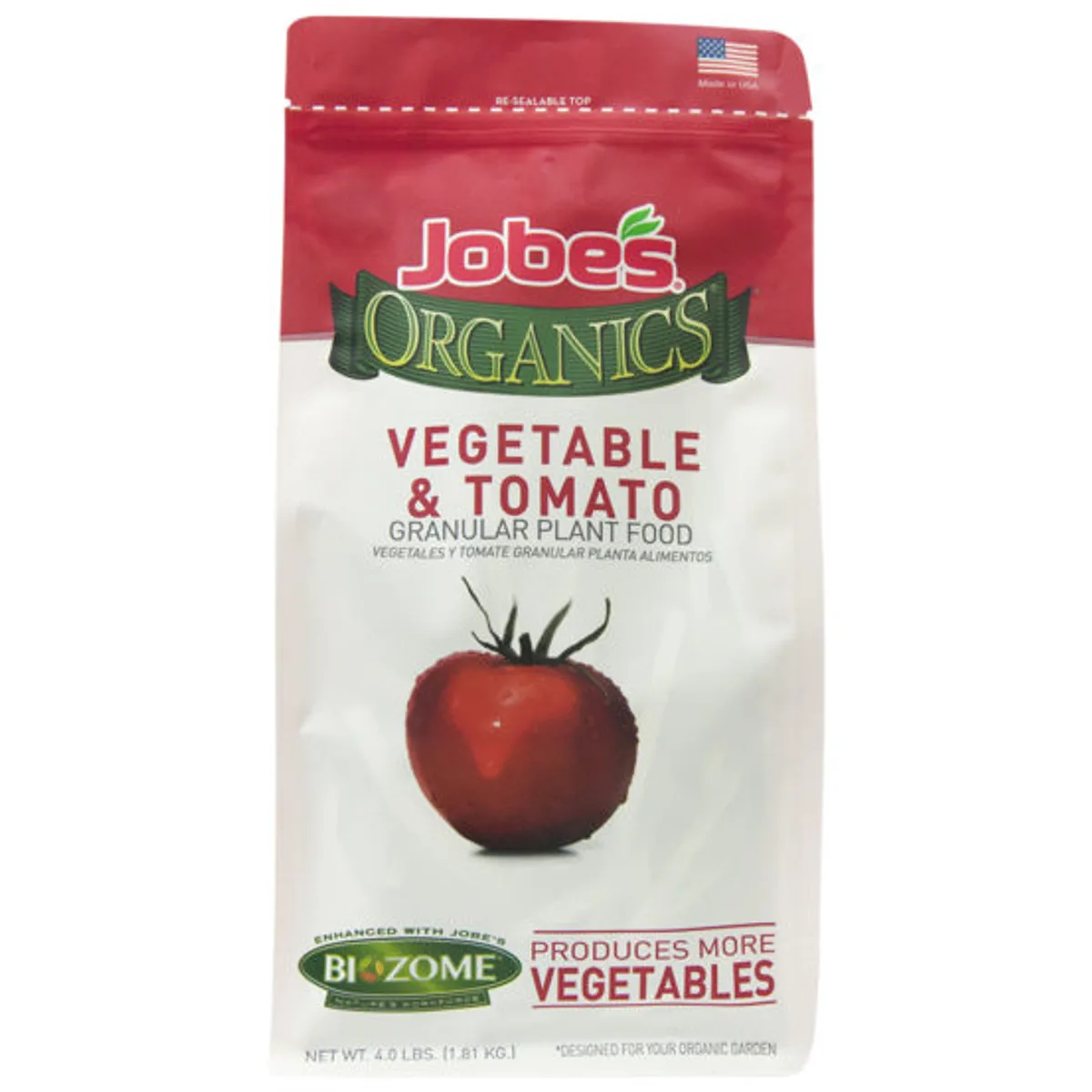
Jobe’s is easy to compare because the product record states a 2-5-3 analysis, a four-pound bag, and vegetable and tomato use. That makes it a practical candidate when tomatoes are part of the bed and a dry granular product suits your routine. The manufacturer page is the source for those details and the current application directions. See Jobe’s product information.
Pros: Stated 2-5-3 analysis, four-pound format, and crop-specific positioning. Cons: The locked note warns that granular inputs can have odor and need repeated application. Follow the package rather than improvising.
Check the current Jobe’s listing
5. Neptune’s Harvest Fish and Seaweed
Neptune’s Harvest gives you a liquid fish and seaweed format. The current bottle label controls the analysis, dilution, and application rate. That makes this a useful pick for someone who prefers measured liquid feeding and is willing to keep a bottle on hand. The source record does not support an exact analysis or certification claim here. Check the manufacturer site and the selected bottle.
Pros: Liquid format and a clearly named fish and seaweed product family. Cons: Storage, odor, and repeated applications may be less convenient than granular fertilizer.
Check the current Neptune’s Harvest listing
6. Alaska Fish Fertilizer 5-1-1
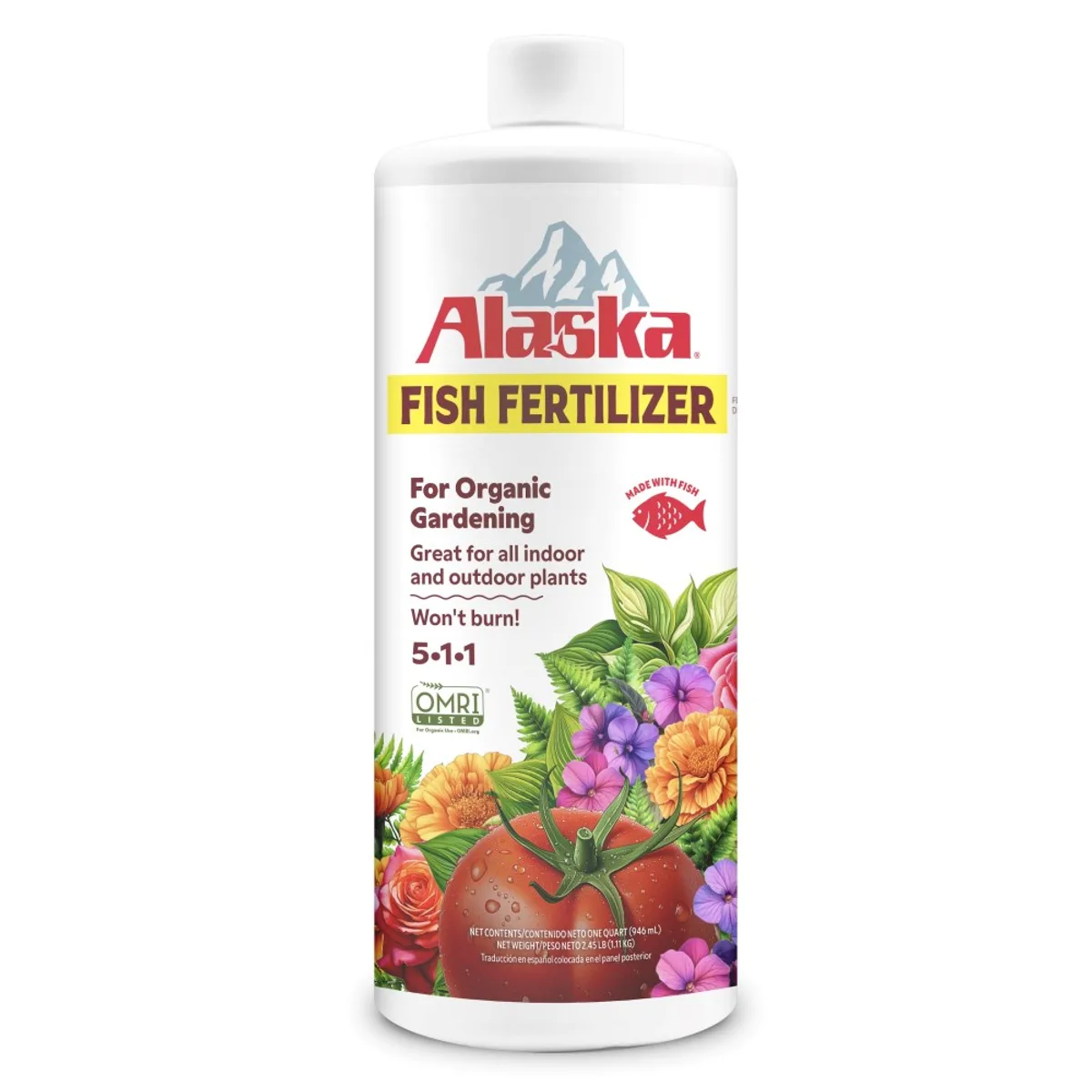
Alaska is the straightforward liquid pick when you want a stated 5-1-1 analysis. Pennington lists vegetable use and the current page states an OMRI listing. Keep that OMRI statement tied to this documented product. It is not a reason to make a blanket claim about every input in a garden. The Pennington page supplies the locked reference.
Pros: Clear 5-1-1 analysis, liquid application, and a documented OMRI listing. Cons: It needs exact dilution and has a stronger odor than dry fertilizer.
Check the current Alaska listing
7. FoxFarm Happy Frog 5-7-3
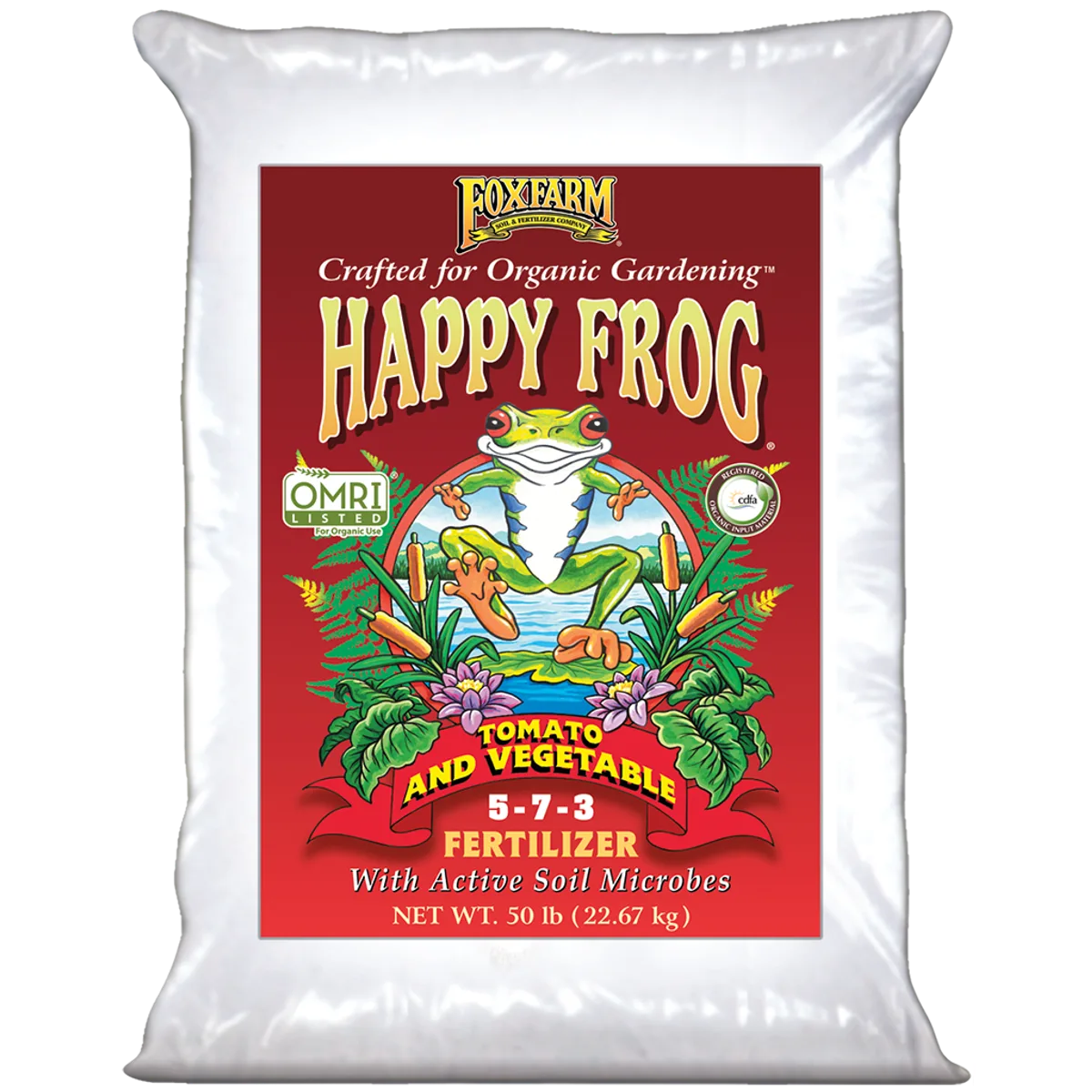
FoxFarm’s Happy Frog Tomato and Vegetable Fertilizer is a crop-specific product with a stated 5-7-3 analysis and current application directions. The source record also states OMRI Listed and CDFA OIM Registered for this product. Those are product documentation claims, not a reason to generalize about another FoxFarm bag. The listed package may be more than a small bed needs, so compare size before ordering. Read the FoxFarm page.
Pros: 5-7-3 analysis, tomato and vegetable use, and documented product certifications. Cons: The larger listed size may be excessive for a small raised bed.
Check the current FoxFarm listing
Fertilizer buying criteria
Start with a soil plan. A raised bed does not need fertilizer by default, and compost is not interchangeable with fertilizer. Read the analysis as three numbers, then check that the label’s crop directions match what you are growing. A clear number is useful only when it belongs to the exact product and package.
Choose the format you will measure correctly. Granular products can suit a scheduled application. Liquids need dilution and repeated handling. Fish products can smell. None of that is a reason to change the rate. Use the current label, measure the bed area, and keep application away from guesswork.
For a new structure, the earlier beginner bed guide helps with setup. If the frame material is still open, read the wood guide before you fill the bed.
Frequently asked questions
What is the best fertilizer for a raised garden bed?
Espoma Garden-tone is the clearest general starting point in this list because its locked record gives a 3-4-4 analysis and vegetable and herb directions. The right pick still depends on the current label and your soil plan.
Is compost a fertilizer?
Not in this buying guide. Compost and fertilizer are different products with different labels and uses. Compare compost as an amendment and fertilizer by analysis and application directions.
Should I use liquid or granular fertilizer?
Choose the format you can measure and apply according to the label. Granular products suit a dry application routine. Liquids require exact dilution and more frequent handling.
Is OMRI Listed the same as a guaranteed analysis?
No. OMRI status and a fertilizer analysis describe different parts of a product record. Keep each claim tied to the current documentation.
Can I fertilize a new raised bed right away?
Check the soil mix, crop, and label first. This locked research does not support a universal first-application rule. Avoid adding a fertilizer rate by guesswork.
Recommendation
Choose Espoma Garden-tone when you want the clearest dry 3-4-4 vegetable and herb label. Choose Jobe’s for its stated 2-5-3 tomato and vegetable format, Alaska for liquid 5-1-1 feeding, or FoxFarm for its documented 5-7-3 product and certification statements. Dr. Earth and Down to Earth remain sensible label-first options when their current analysis and local stock fit.
Sources and methodology
She Gardens used the locked raised-bed shortlist and source registry researched on 29 August 2026. Manufacturer pages supplied product identity, analysis where documented, crop use, format, package notes, application directions, and certification language. She Gardens did not apply or test these fertilizers. Confirm the current guaranteed analysis, crop directions, rate, dilution, package size, certification, local stock, and safety instructions before buying or using. Product images are representative local assets; image rights remain a launch check.