
Buying guide
Best leaf blowers for wet leaves: 7 cordless picks for stubborn debris
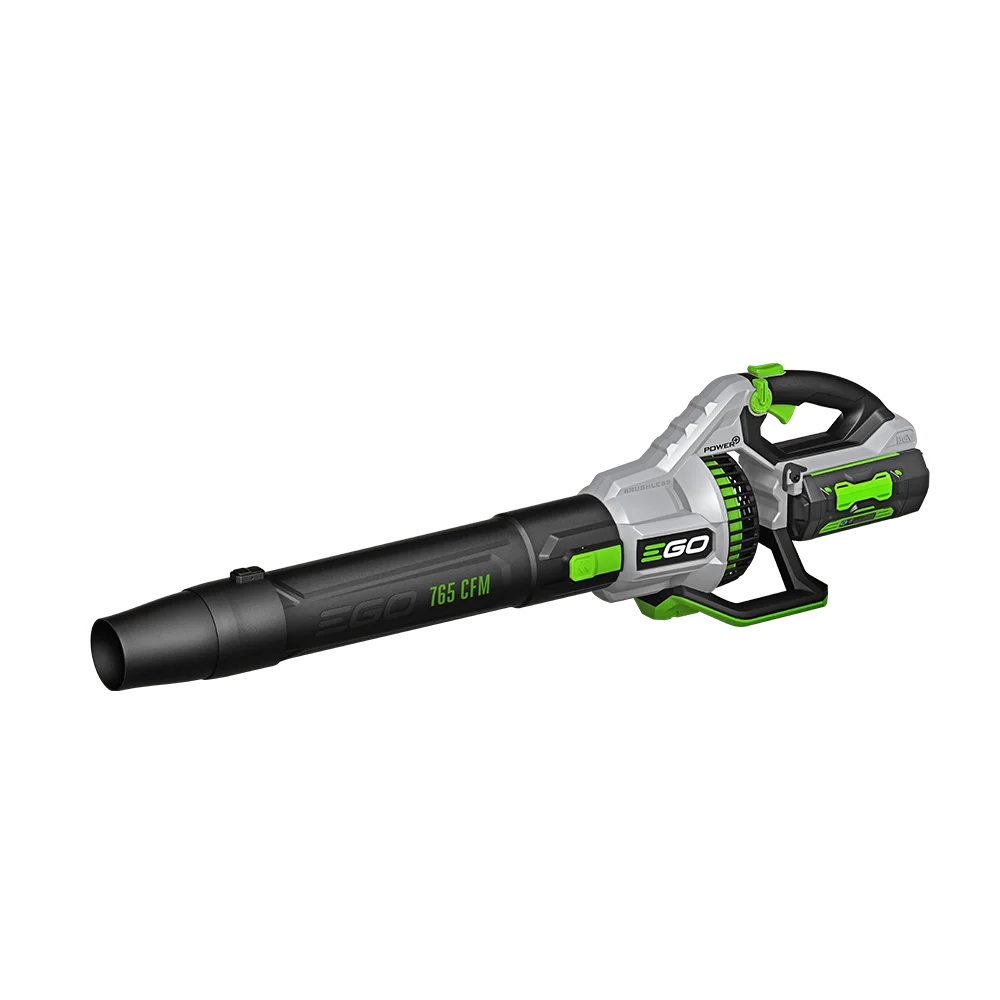
The EGO POWER+ LB7654 is the strongest candidate for wet-leaf work because its documented air volume and nozzle choices give you room to adjust. Wet leaves can stick, so this guide makes no claim that any blower handles every damp pile.
Quick answer
For damp leaves that still move across a level surface, start with the EGO POWER+ LB7654. EGO lists up to 765 CFM and 200 MPH with the tapered nozzle, plus a wide-fan nozzle, variable trigger, and cruise dial. That combination gives you a concentrated option for a stubborn edge and a broader option for a loose layer. It does not turn stuck, waterlogged leaves into easy debris.
This guide covers ground-level yard work. It does not claim these blowers are waterproof, safe around standing water, or approved for wet debris outside the limits of their manuals. She Gardens did not test wet leaves, measure force, or verify current stock. Keep the battery, tool, and electrical contacts within the manufacturer’s stated conditions. Wear eye and hearing protection as directed.
| Rank | Product | Best fit | Main drawback |
|---|---|---|---|
| 1 | EGO POWER+ LB7654 | Highest documented air volume and nozzle choice | Heavy with battery |
| 2 | EGO POWER+ LB6703 | Current 56V airflow tier | MPH and weight are unknown |
| 3 | DEWALT DCBL772X1 | 60V control for broad cleanup | Runtime and weight are unknown |
| 4 | RYOBI 40V HP Brushless Whisper Series RY404100 | High airflow with variable control | Dual-battery weight is unknown |
| 5 | EGO POWER+ LB6504 | High-output EGO alternative | Kit weight varies |
| 6 | Husqvarna 230iB | Round-nozzle ground work | No wet-condition runtime |
| 7 | Milwaukee M18 FUEL 2724-20 | Low setting near beds | Less airflow |
The seven wet-leaf picks
1. EGO POWER+ LB7654
The LB7654 leads because wet leaves may need more air volume and a deliberate nozzle choice. EGO lists up to 765 CFM and 200 MPH with the tapered nozzle, along with a wide-fan nozzle, variable trigger, and cruise dial. Use the narrow stream only where the debris and surface can take it. A broad, lower setting can be easier to keep on the ground around beds.
The 56V kit is blower-only. PTR reported 4.6 pounds bare and 9.63 pounds with a 5Ah battery in its test. EGO’s up to 90-minute average runtime uses its named battery and condition, while PTR reported shorter results under its own setup. Wet debris can require more passes, so do not plan work from an unconditioned runtime number.
Pros: Highest airflow, two nozzles, and variable control. Cons: Heavy kit and no wet-leaf test.
2. EGO POWER+ LB6703
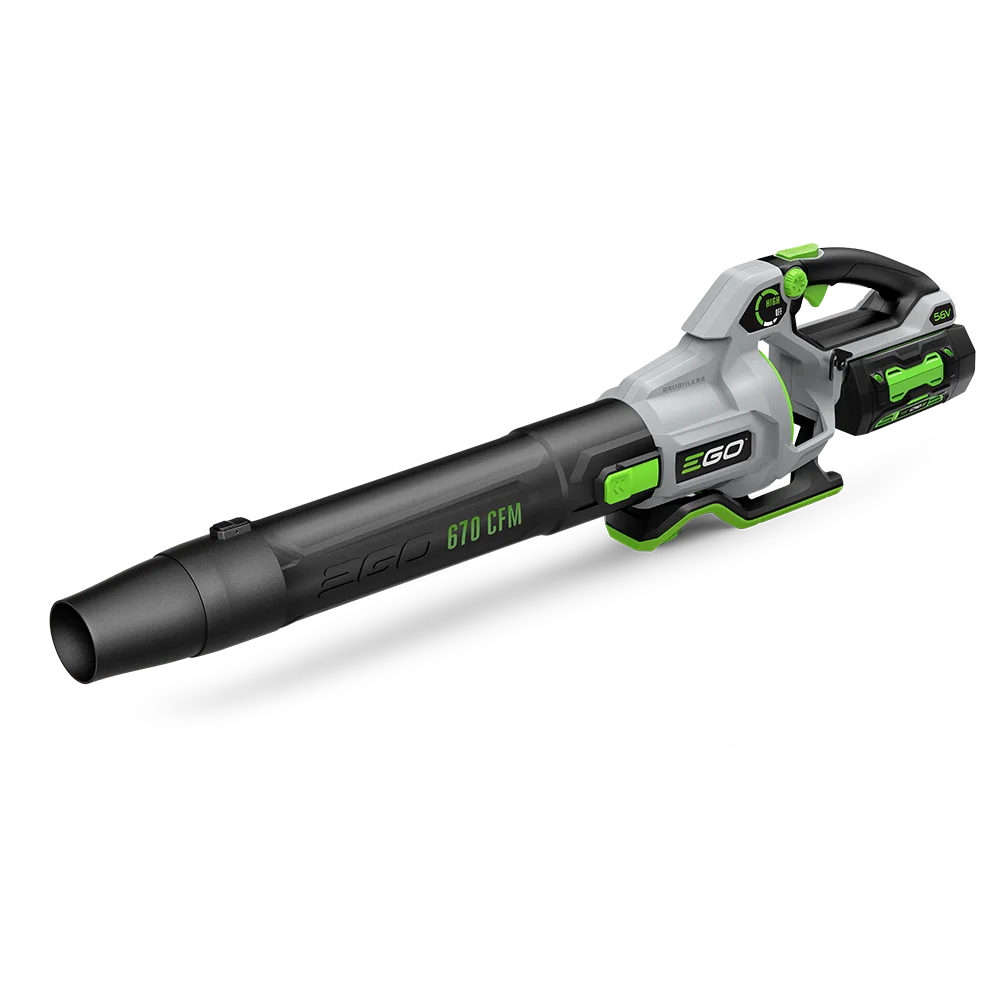
The LB6703 has up to 670 CFM in the current EGO blower range and uses a tapered nozzle with variable-speed control. The checked material does not provide current MPH, weight, or runtime. It stays high for its airflow tier and control, but those missing details matter when damp debris turns a quick pass into longer work.
An EGO 56V owner may prefer it over buying into another battery system. Confirm the exact model and kit. Do not borrow LB7654’s weight or speed figures for this blower.
Pros: Up to 670 CFM, 56V platform, and variable speed. Cons: Current weight, MPH, and runtime are unknown.
3. DEWALT DCBL772X1
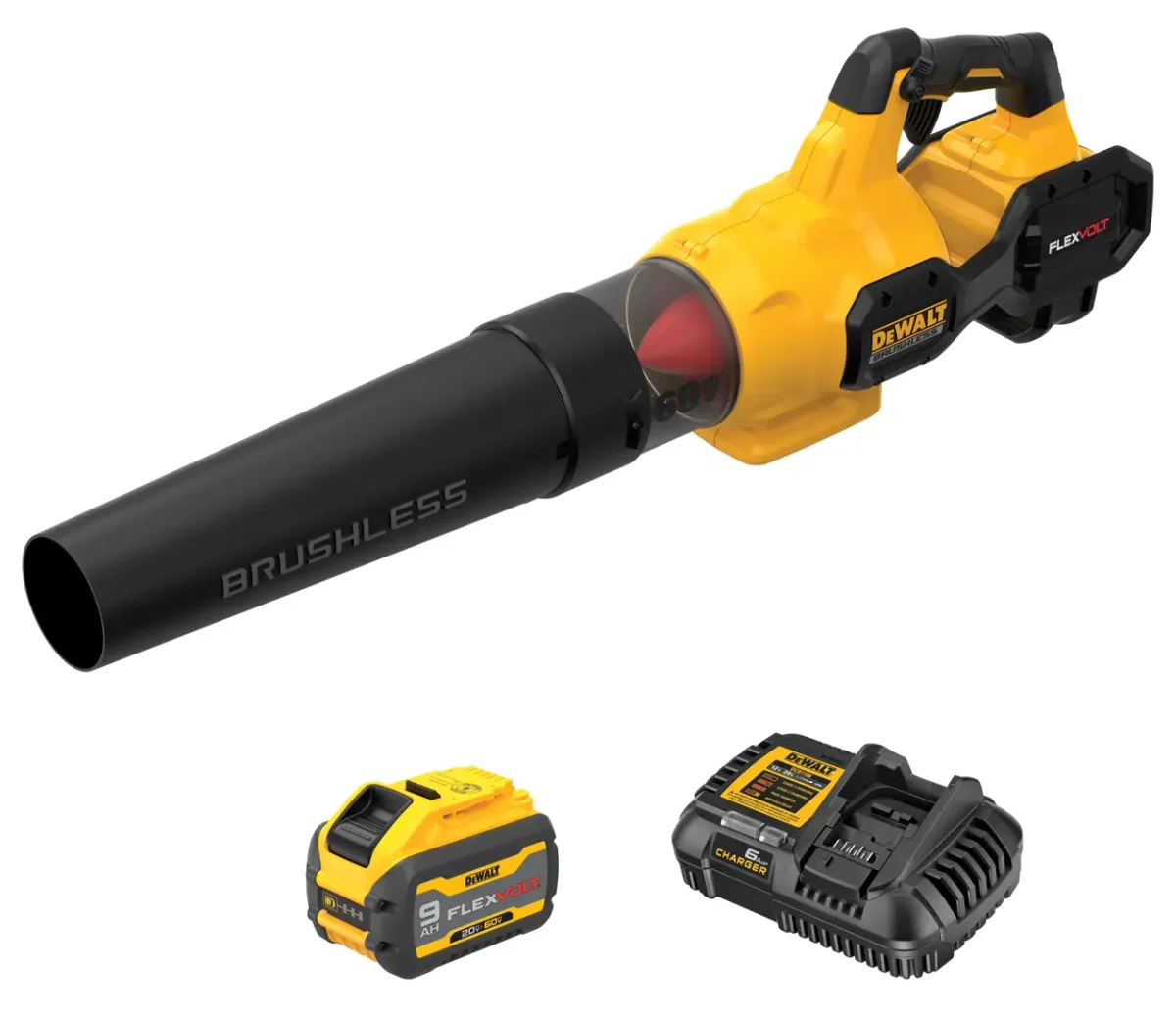
DEWALT’s DCBL772X1 is a 60V FLEXVOLT axial handheld blower with 600 CFM and 125 MPH in the locked record. Variable trigger and speed lock let you adjust the stream as the leaf pile changes. That matters when loose leaves sit beside damp ones. DEWALT lists a 3-year limited warranty, 1 year of free service, and a 90-day satisfaction term.
The current page had conflicting kit-battery text. Weight and runtime are unverified, so check the box contents before choosing it for a large wet cleanup. Do not treat the blower as a tool for standing water.
Pros: 600 CFM, variable trigger, speed lock, and service terms. Cons: Kit details, weight, and runtime need checking.
4. RYOBI 40V HP Brushless Whisper Series RY404100
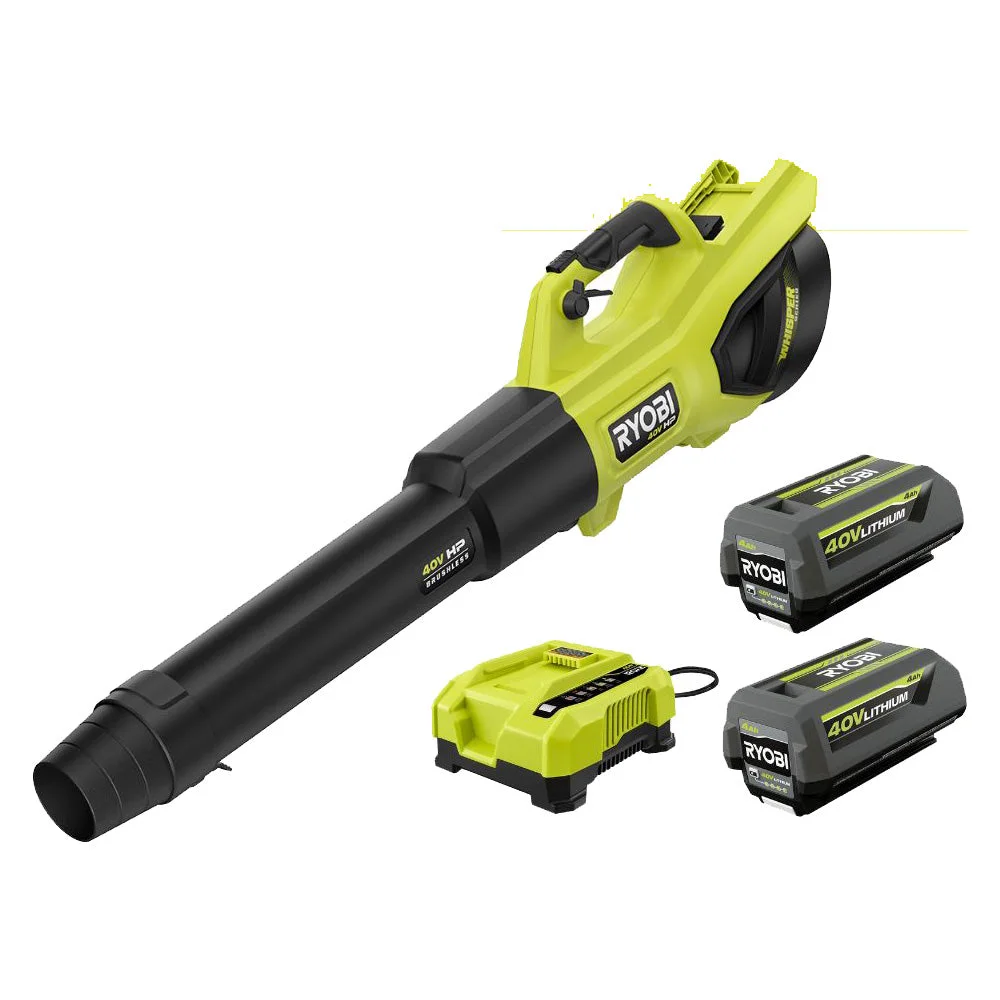
The RY404100 lists up to 730 CFM and 190 MPH, with variable control and a handheld body. RYOBI states up to 2 hours with two 40V 4Ah batteries under its manufacturer condition. The claim does not tell you how long the tool will run against damp debris, and the complete dual-battery carry weight is not in the locked record.
Use the lower output near mulch, gravel, and edging. The Whisper Series label is not a wet-weather permission slip, and hearing protection still follows the current manual.
Pros: Up to 730 CFM and variable control. Cons: Dual-battery weight is not verified.
5. EGO POWER+ LB6504
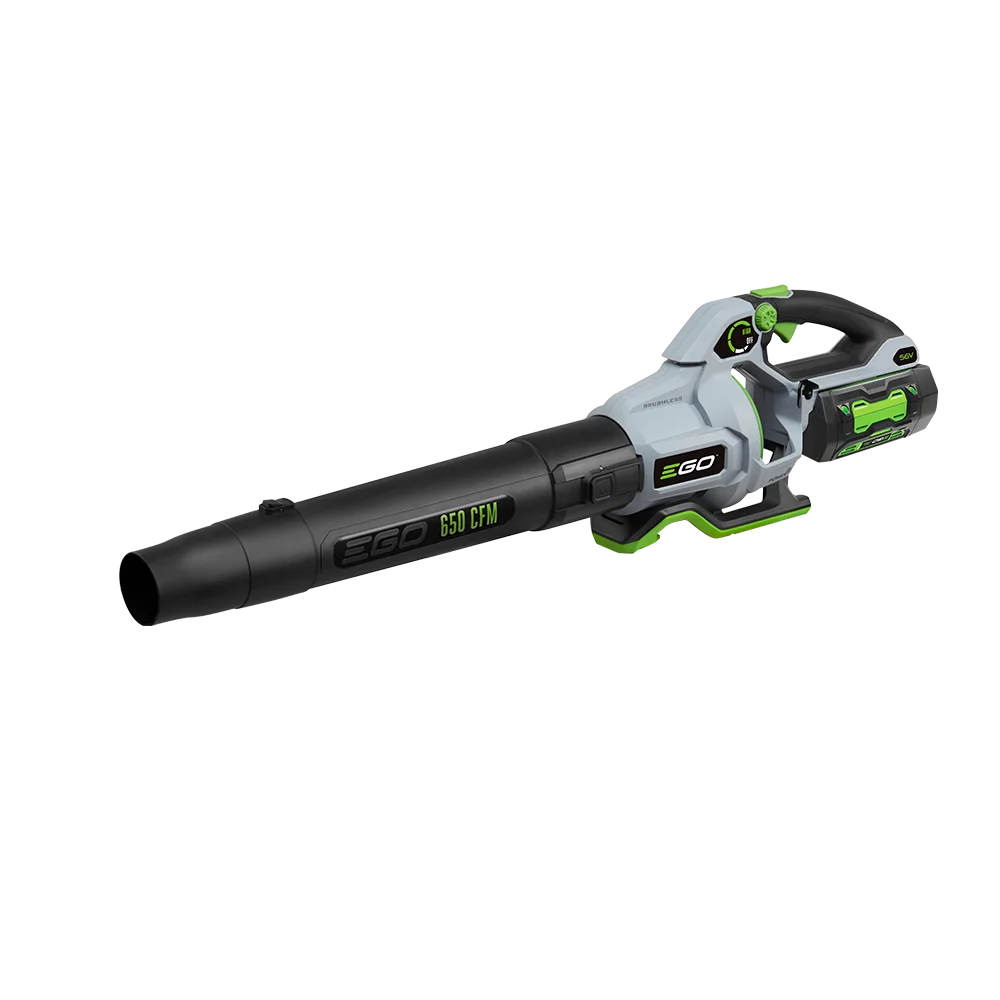
The LB6504 has up to 650 CFM and 180 MPH with the tapered nozzle, a spread nozzle, variable trigger, cruise control, and IPX4 resistance. The spread nozzle and control make it a sensible alternative when the LB7654’s output is more than you need. EGO lists 5-year tool and 3-year battery warranties in the locked record.
The complete kit weight is not stated, and IPX4 does not mean you can ignore the manual’s conditions for rain, standing water, or storage. Keep damp leaves on the ground and use the lower setting when the surface is loose.
Pros: 650 CFM, spread nozzle, and cruise control. Cons: IPX4 is not a wet-debris rating.
6. Husqvarna 230iB
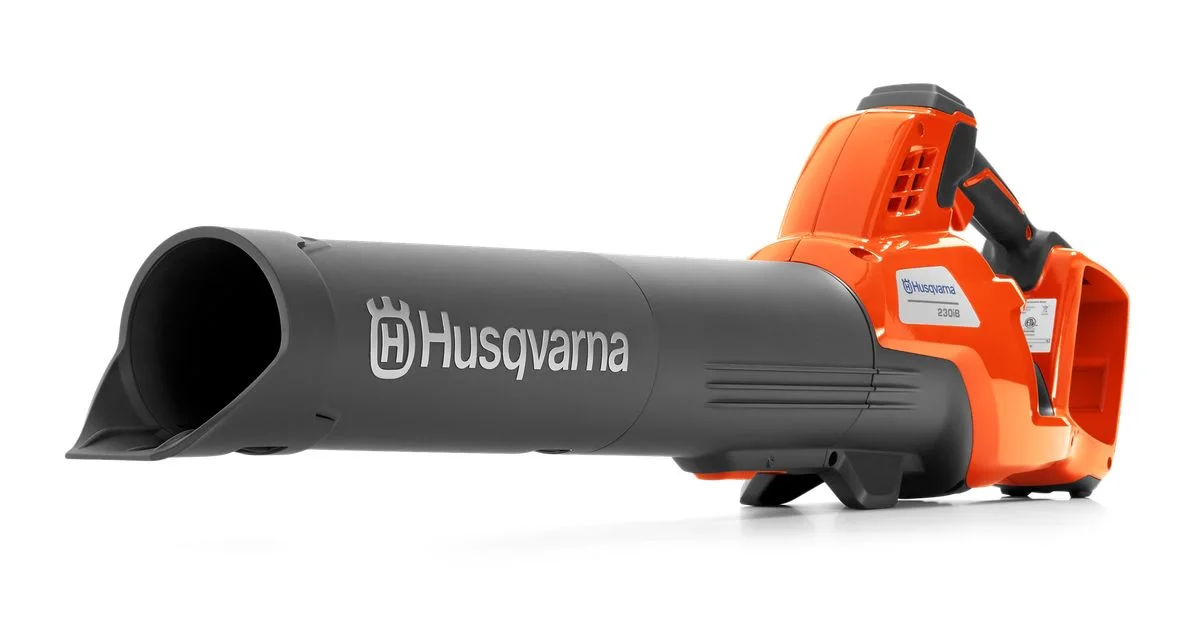
Husqvarna 230iB has 650 CFM at the round nozzle and a documented tool weight of 5.8 pounds excluding the battery. The current product figure is 139.81 MPH, while a manual variant reports 136 MPH. Variable speed, boost, and a debris scraper can help separate a stuck edge from loose leaves on the ground.
The research record does not provide a runtime condition, and the scraper does not make damp roof or gutter work safe. Confirm the battery and manual before using the tool in any wet setting.
Pros: 650 CFM, variable speed, boost, and scraper. Cons: No wet-condition runtime is documented.
7. Milwaukee M18 FUEL 2724-20
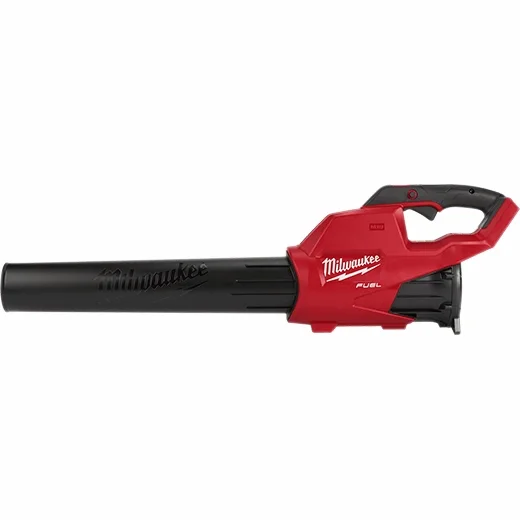
Milwaukee’s M18 FUEL 2724-20 has 450 CFM and 120 MPH, with high and low settings, a variable trigger, and a lock-on button. Milwaukee describes low setting use for beds where mulch should stay put. That makes it useful for the careful part of a wet-leaf job, although it has less air volume than the models above.
The catalog lists 7.4 pounds, but check the battery status behind that figure. There is no runtime claim in the locked source. It suits a small cleanup route and an existing M18 battery more than a large, stuck pile.
Check the Milwaukee M18 FUEL 2724-20
Pros: Low setting, variable trigger, and M18 fit. Cons: Lower airflow and no runtime claim.
How to handle wet leaves
Wet leaves are harder because water adds weight and the pile can cling to grass or pavement. Start by separating loose leaves from the stuck edge. Use the blower at a lower setting and a reasonable nozzle distance, then raise output only when the ground and nearby objects can take it. Keep the air stream away from windows, vehicles, people, pets, mulch, and loose stones.
Do not confuse a blower’s weather-resistance label with a wet-debris rating. LB7654 and LB6504 list IPX4 in the research, but the label does not replace the current manual. Keep charging and storage within the maker’s instructions. If the leaves are soaked or packed down, a rake or other ground tool may be the better choice.
Air volume is more useful than MPH alone for a broad pile, but the nozzle and control decide how much of that air reaches the debris. CFM, speed, nozzle, weight, battery, and surface all matter together. Wear eye and hearing protection as directed, and stop if debris starts striking nearby property.
The garden hose guide for hot climates covers outdoor material limits in a separate product category. It does not establish blower wet-use limits.
For wet-weather yard work beyond leaves, see the large-hedge trimmer guide and thick-branch hedge-trimmer guide.
Frequently asked questions
What is the best leaf blower for wet leaves?
EGO LB7654 ranks first because its documented air volume, tapered and wide-fan nozzles, and variable control give you the broadest adjustment range in this pool. It is not a guarantee for soaked or stuck leaves, and She Gardens did not test it in wet conditions.
Are cordless blowers waterproof?
The locked record only gives specific labels for some models. EGO LB7654 and LB6504 list IPX4 resistance, which does not mean waterproof or approved for standing water. Follow the exact manual and keep batteries and chargers within their stated limits.
Is MPH more important for wet leaves?
No. A concentrated air-speed figure can help at the nozzle, but broad wet debris also needs air volume and control. CFM, nozzle shape, setting, surface, and battery condition belong in the comparison.
Should I use a blower on wet grass?
This guide does not make a general wet-grass recommendation. Wet leaves can mark or cling to grass, and the manual controls the tool’s moisture limits. Use a rake when the debris is stuck or the surface is hard to protect.
Recommendation
Choose EGO LB7654 for the most adjustable high-output setup, then start gently. LB6504 is the more restrained EGO option. For a smaller route, Milwaukee 2724-20 offers useful low-speed control, while Husqvarna 230iB gives a lighter documented tool weight. Move to a rake when leaves are soaked, packed, or too close to property to blow safely.
Sources and methodology
She Gardens used the locked leaf-blower shortlist and source registry researched on 29 August 2026. Manufacturer facts came from EGO, DEWALT, RYOBI, Husqvarna, and Milwaukee. Independent context came from Pro Tool Reviews, the PTR EGO review, Project Farm, and Bob Vila. She Gardens did not test wet leaves or verify current stock. Check the exact manual and battery configuration before use.